Brown Sugar Cinnamon Cookies with Soft Bakery-Style Recipe
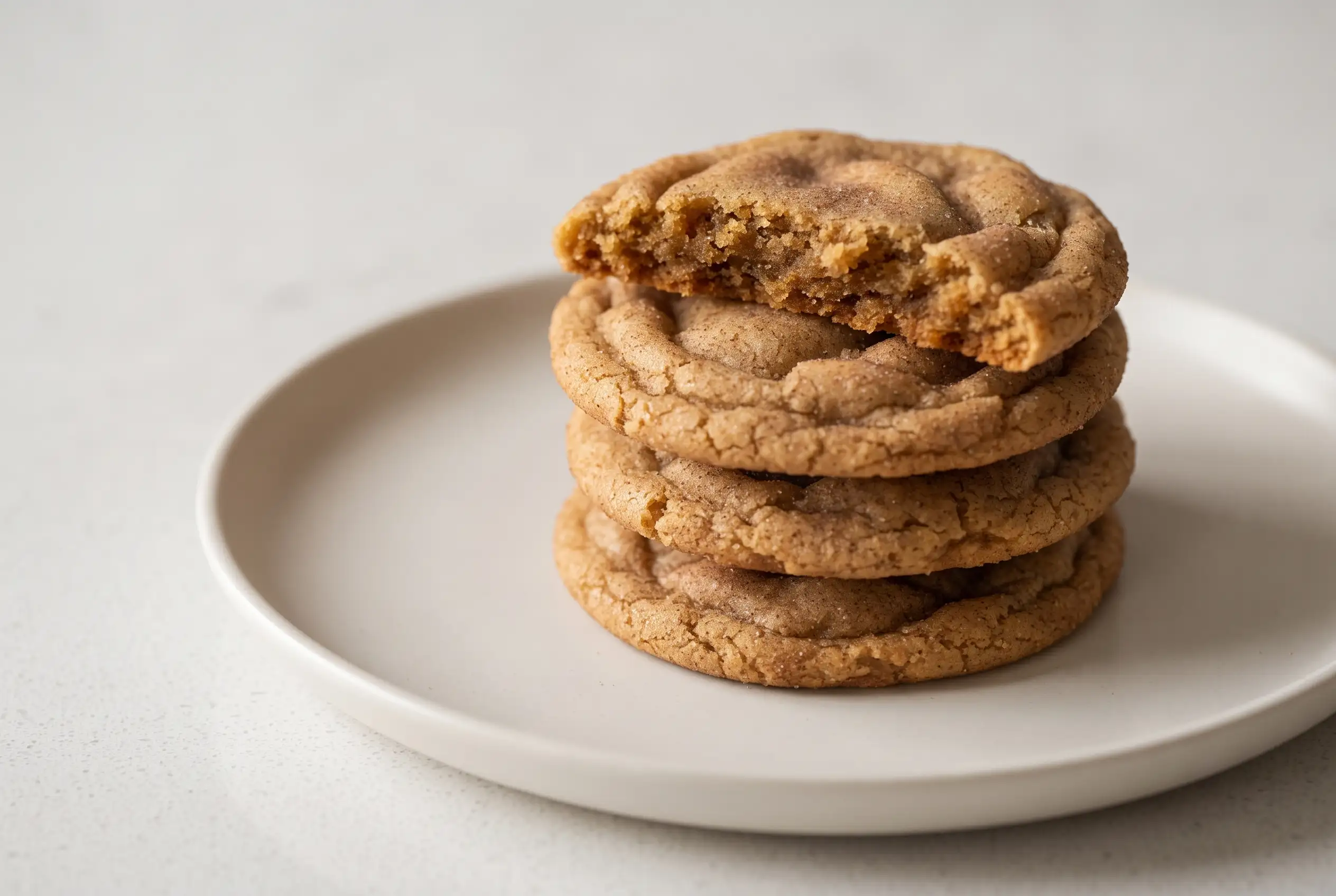
Brown sugar cinnamon cookies deliver a soft, bakery-style texture by combining rich brown sugar, warm spice, and careful dough handling into a simple but highly controlled dessert. The brown sugar cinnamon cookies approach focuses on moisture retention, balanced sweetness, and the contrast between a tender center and lightly golden edge.
Brown Sugar Cinnamon Cookies Build a Soft Center and Crisp Edge
The defining feature of these cookies comes from the relationship between the sugar structure and the baking process. Light brown sugar contains molasses, which contributes moisture and creates a deeper flavor than plain sugar alone. That moisture helps create the tender texture associated with a soft brown sugar cinnamon cookies recipe.
Butter temperature also influences the finished shape. Properly softened butter supports the creaming process, allowing air to become incorporated while keeping the dough stable enough to spread gradually in the oven. The result is a cookie with enough structure to hold its form while developing delicate edges.
Cinnamon adds more than a familiar spice note. Its aroma connects the caramel-like character of brown sugar with the richness of butter, creating the warm profile expected from chewy brown sugar cookies. The combination works because each element supports the others without requiring fillings or extra layers.
Brown Sugar Cinnamon Cookies Rely on Balanced Sugar Chemistry
The sugar blend determines much of the cookie’s personality. Brown sugar attracts moisture and works with the other ingredients to maintain a softer crumb after baking. Granulated sugar contributes sweetness and helps support the exterior texture, creating a balanced result.
Baking soda and baking powder serve different purposes in the dough. The baking soda interacts with the natural acidity of brown sugar, while baking powder provides additional lift during baking. Together, these leavening agents help the cookies maintain a pleasing height instead of becoming dense.
The Maillard reaction also contributes to the finished appearance and flavor. As the cookie edges warm and brown, new flavor compounds develop that deepen the buttery and caramel-like notes. This process gives brown sugar cinnamon cookies their recognizable golden finish.
Moisture control explains why the cookies remain enjoyable beyond the first day. The combination of brown sugar, butter, and correct flour handling creates a texture that stays soft when stored properly.
Ingredient Choices Shape Brown Sugar Cinnamon Cookies Texture
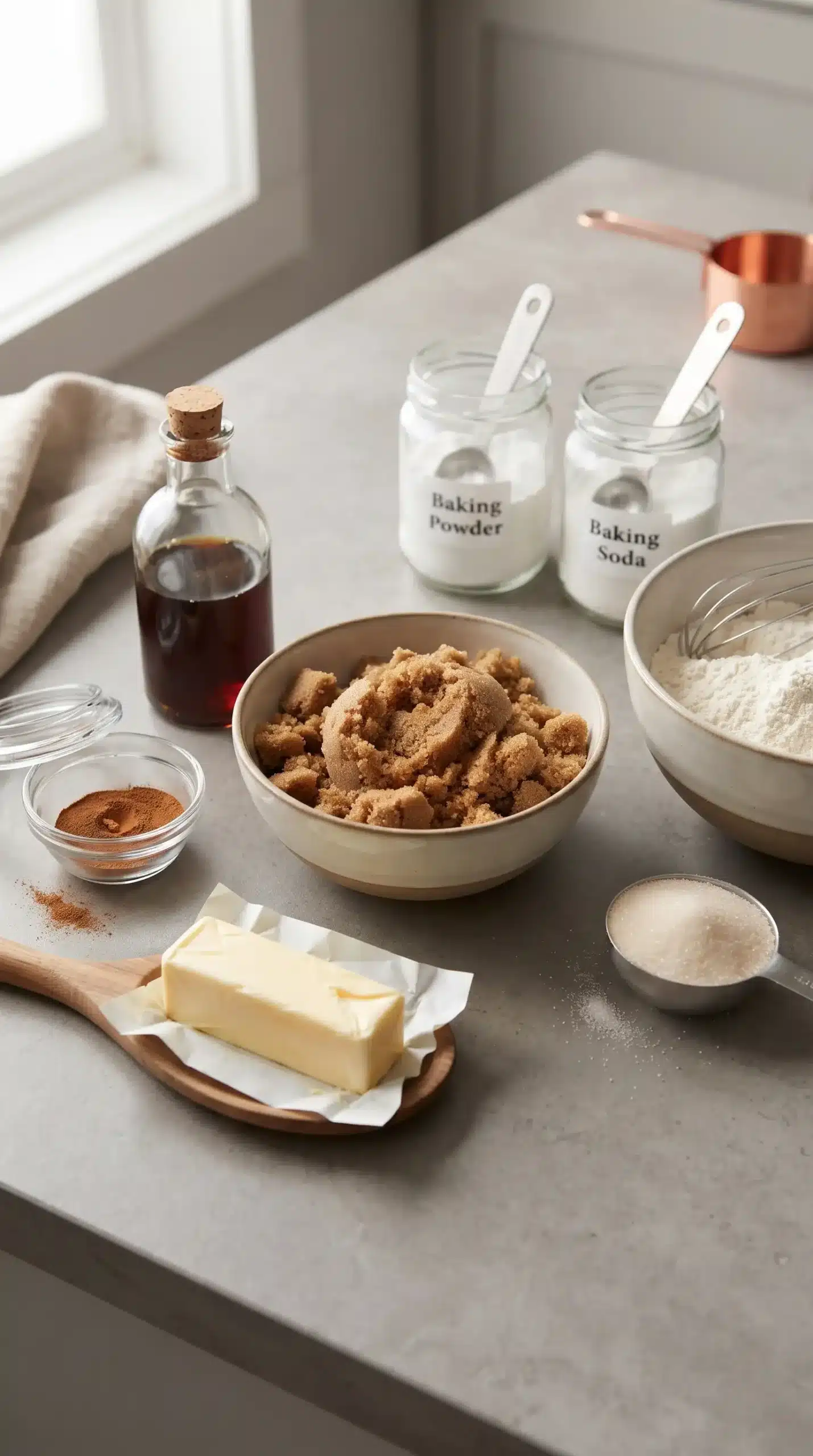
Ingredient quality matters most when a recipe depends on a small number of flavors. Ground cinnamon, vanilla, butter, and brown sugar all have noticeable roles because there are no heavy additions masking their individual characteristics.
The cinnamon selection affects the aroma that appears immediately after baking. Fresh, fragrant cinnamon creates a stronger connection between the spice and the molasses notes in the sugar. Vanilla extract rounds out the flavor by adding another layer of sweetness and warmth.
Flour provides the framework that keeps the cookies from becoming too fragile. Adding it gradually and stopping once incorporated helps prevent unnecessary gluten development, which can change a soft cookie into a firmer, breadier one.
Cinnamon Aroma Shapes the Cookie Experience
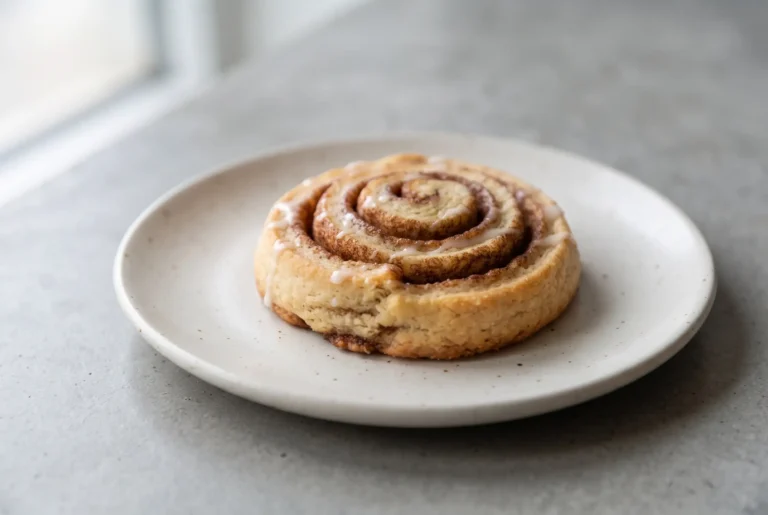
The spice profile separates this cinnamon cookies recipe from a standard sugar cookie. Even distribution of cinnamon throughout the dry ingredients prevents concentrated areas of spice and creates a consistent flavor in every bite. A variation using cinnamon roll cookies can build on the warm spice character by pairing cinnamon with a richer, swirled dessert structure.
Brown Sugar Cinnamon Cookies Need Controlled Mixing for Success
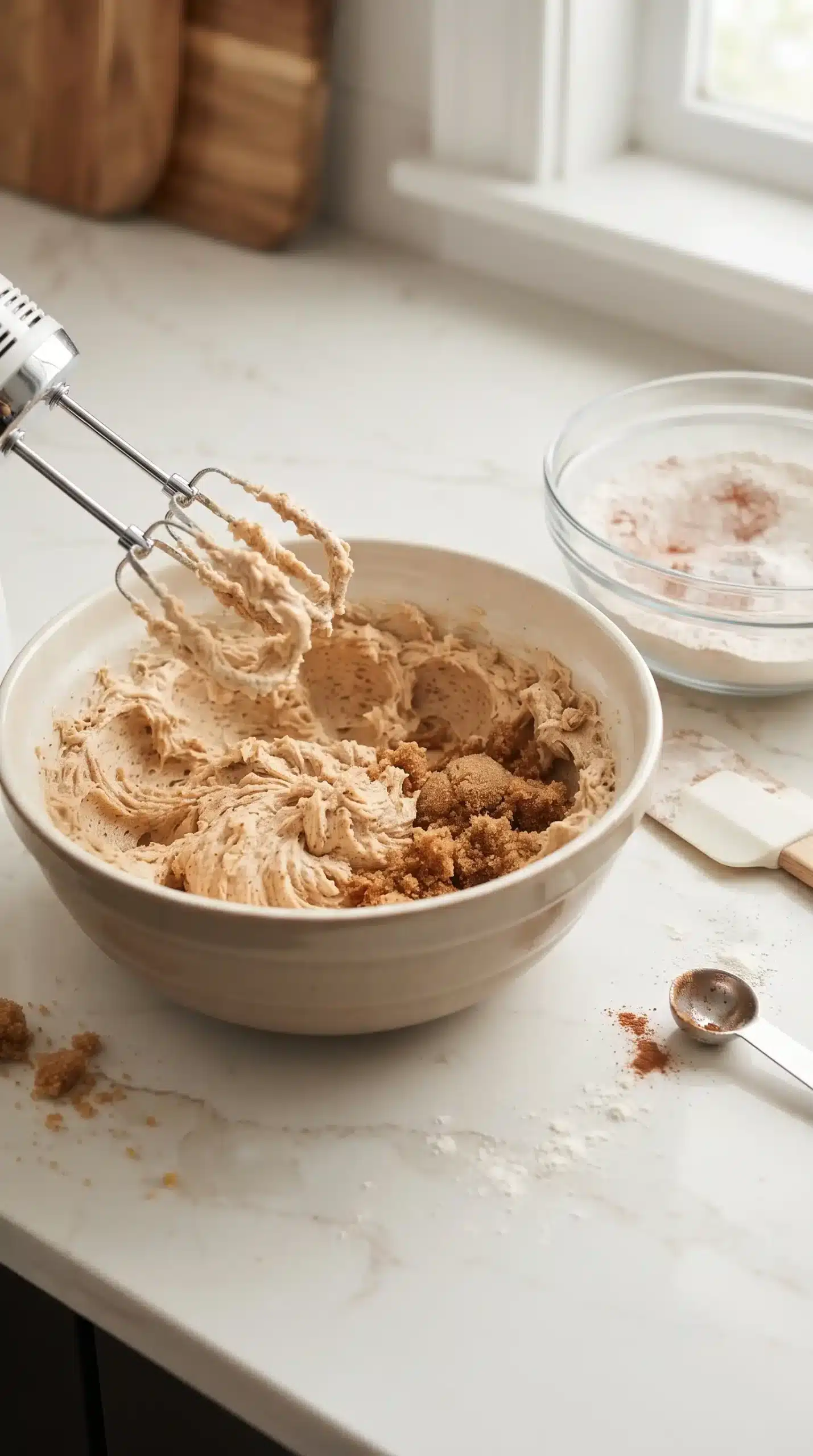
Mixing technique has a direct effect on texture. creaming butter and sugar properly introduces air into the dough, creating a lighter structure before the flour is added. Rushing this stage can reduce the lift that helps the cookies bake evenly.
Once flour enters the dough, gentle handling becomes important. Excessive mixing encourages gluten development, which can produce a tougher texture. The best approach is to combine the dry ingredients until no visible flour streaks remain.
Baking also requires attention to visual cues. The edges should develop a light golden color while the centers remain slightly soft. Resting the cookies after removal allows residual heat to finish setting the interior without removing the tender texture.
Portion Size Controls the Finished Cookie Shape
Uniform portions help every cookie bake at the same rate. Using a cookie scoop creates consistent dough spheres, allowing the oven heat to produce even spreading and matching textures across the batch.
Common Brown Sugar Cinnamon Cookies Mistakes That Change Texture
Several small errors can prevent brown sugar cinnamon cookies from reaching their intended soft texture. Most problems come from changes in temperature, mixing, or portioning rather than complicated preparation issues.
- Warm butter: Butter that becomes too soft can cause excessive spreading and create thin cookies instead of a thicker center.
- Over-mixed dough: Too much mixing after flour addition can increase gluten development and create a tougher bite.
- Uneven scoops: Different dough sizes may finish baking at different times, leaving some cookies overdone while others remain underbaked.
- Ignoring soft centers: Removing cookies only after the centers look completely firm can lead to a drier result because they continue cooking on the baking sheet.
Recognizing these warning signs makes it easier to correct the process. A stable dough, careful mixing, and consistent portions preserve the texture that makes this cookie style distinctive.
The baking sheet continues to affect the cookie after it leaves the oven. Allowing a short resting period before transferring the cookies helps the centers finish setting while keeping the interior soft.
Storage Choices Protect Brown Sugar Cinnamon Cookies Freshness
An airtight container helps preserve the moisture that gives these cookies their soft texture. Keeping them at room temperature protects their flavor and allows the brown sugar characteristics to remain noticeable over several days.
Chilled Dough Improves Flavor and Baking Control
Preparing the dough ahead can change the final character of the cookies. Refrigerating the dough allows the flour to absorb moisture more fully, which can contribute to a more developed flavor and smoother texture.
A chilled dough also offers practical advantages during preparation. Firmer dough is easier to portion consistently, helping maintain the same shape when the cookies enter the oven.
The resting period is especially useful when planning ahead. A soft brown sugar cinnamon cookies recipe can benefit from controlled chilling because the ingredients have additional time to blend together before baking.
Variations Create New Brown Sugar Cinnamon Cookies Styles
The base dough can support several flavor directions while keeping its original character. A cinnamon sugar coating creates a sparkling exterior, chocolate chips add a contrasting sweetness, and small amounts of additional warm spices can create a seasonal variation.
Cinnamon Cookies Recipe Ideas Expand Serving Options
These cookies fit naturally into dessert trays, snack plates, and simple gatherings. Their familiar spice profile pairs well with coffee, tea, or other warm drinks, while their soft texture makes them suitable for casual serving without additional decoration.
Brown Sugar Cinnamon Cookies Bring Together Simplicity and Precision
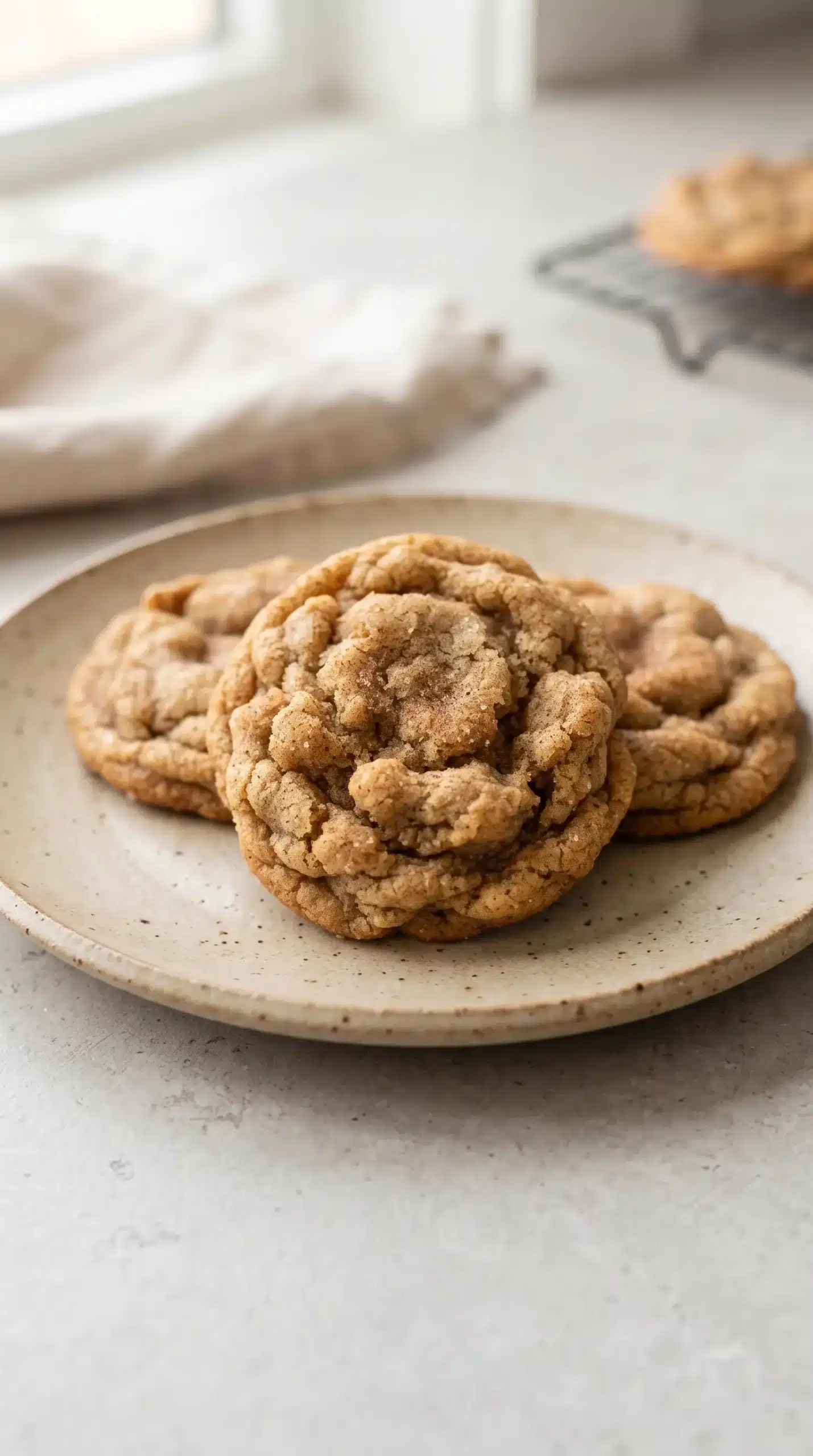
Brown sugar cinnamon cookies succeed because each decision has a clear purpose. The sugar balance preserves moisture, the cinnamon creates aromatic depth, and careful handling protects the soft center that defines the dessert.
The most important cooking judgment comes from recognizing texture cues throughout preparation. Properly creamed butter, gently mixed dough, and slightly soft centers after baking work together to create the finished cookie structure.
Why Do Brown Sugar Cinnamon Cookies Stay Soft and Avoid Dry Centers?
What makes brown sugar important in these cookies?
Brown sugar contributes moisture and a deeper molasses flavor, helping the cookies maintain a softer texture compared with cookies made only with granulated sugar.
Why did my cookies spread too much?
Excessively soft butter can cause the dough to lose stability before the structure sets in the oven. Keeping the butter at the proper softened condition helps maintain the intended shape.
Can the dough be prepared before baking?
Yes, the dough can be refrigerated ahead of time. Chilling allows the flour to hydrate and gives the flavors more time to combine before baking.
How can I keep the cinnamon flavor balanced?
Evenly mixing the cinnamon with the dry ingredients prevents concentrated spice pockets and creates a consistent flavor throughout the batch.
Why do the centers look unfinished when the cookies come out?
The centers are expected to appear slightly soft when removed because the residual heat from the baking sheet continues setting the interior after baking.
Brown Sugar Cinnamon Cookies
Ingredients
Method
- Beat the softened butter, light brown sugar, and granulated sugar together with a mixer for 3 minutes until the mixture becomes light and airy.
- Add the eggs individually, mixing after each one, then blend in the vanilla extract.
- Combine the all-purpose flour, baking powder, baking soda, ground cinnamon, and fine sea salt in a separate bowl.
- Slowly add the dry mixture to the butter mixture while mixing on low speed until the flour is fully incorporated.
- Portion the cookie dough into 2-tablespoon scoops and roll each portion into a ball without pressing it flat.
- Arrange the dough balls on a parchment-lined baking sheet and bake at 350°F / 175°C for 10–12 minutes until the edges are lightly golden and the centers are still slightly soft.
- Leave the baked cookies on the baking sheet for 5 minutes, then move them to a wire rack to cool completely.