Baked Chicken Breast Recipe with Smoked Paprika Seasoning
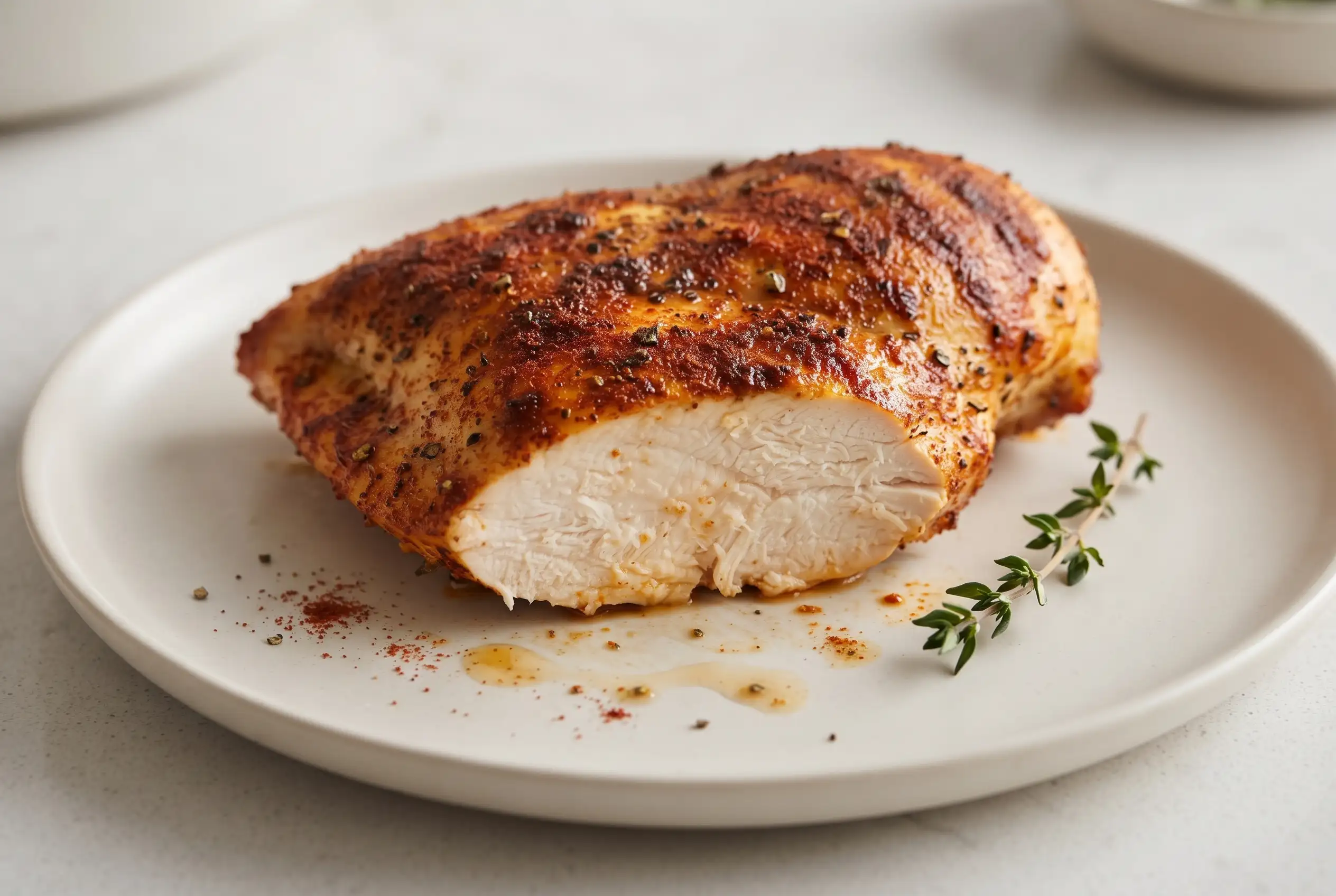
baked chicken breast recipe success depends on a few controlled choices that turn a simple cut of poultry into a tender, flavorful centerpiece. High-heat roasting creates a lightly browned exterior while careful preparation helps the meat retain moisture through the cooking process.
Boneless, skinless chicken breasts are known for their lean texture, which makes technique especially important. Even thickness, an oil coating, balanced seasoning, and a proper resting period all influence the difference between a dry dinner and a juicy baked chicken breast with a soft, sliceable interior.
Why Baked Chicken Breast Delivers Tender Results
Baked Chicken Breast works because the cooking process manages both surface browning and internal moisture. Preparing the chicken at 400°F allows the exterior to develop roasted flavor while the inside cooks efficiently without unnecessary exposure to heat.
Uniform thickness plays a major role in the finished texture. When one area is much thicker than another, the thinner sections can become overcooked before the center reaches the desired temperature. Flattening the thicker portion creates a more balanced cooking environment across the entire piece.
Resting after roasting protects the texture created during baking. The internal juices have time to settle back into the meat fibers, allowing each slice to stay moist when served.
Smoked Paprika Seasoning Shapes the Chicken Flavor
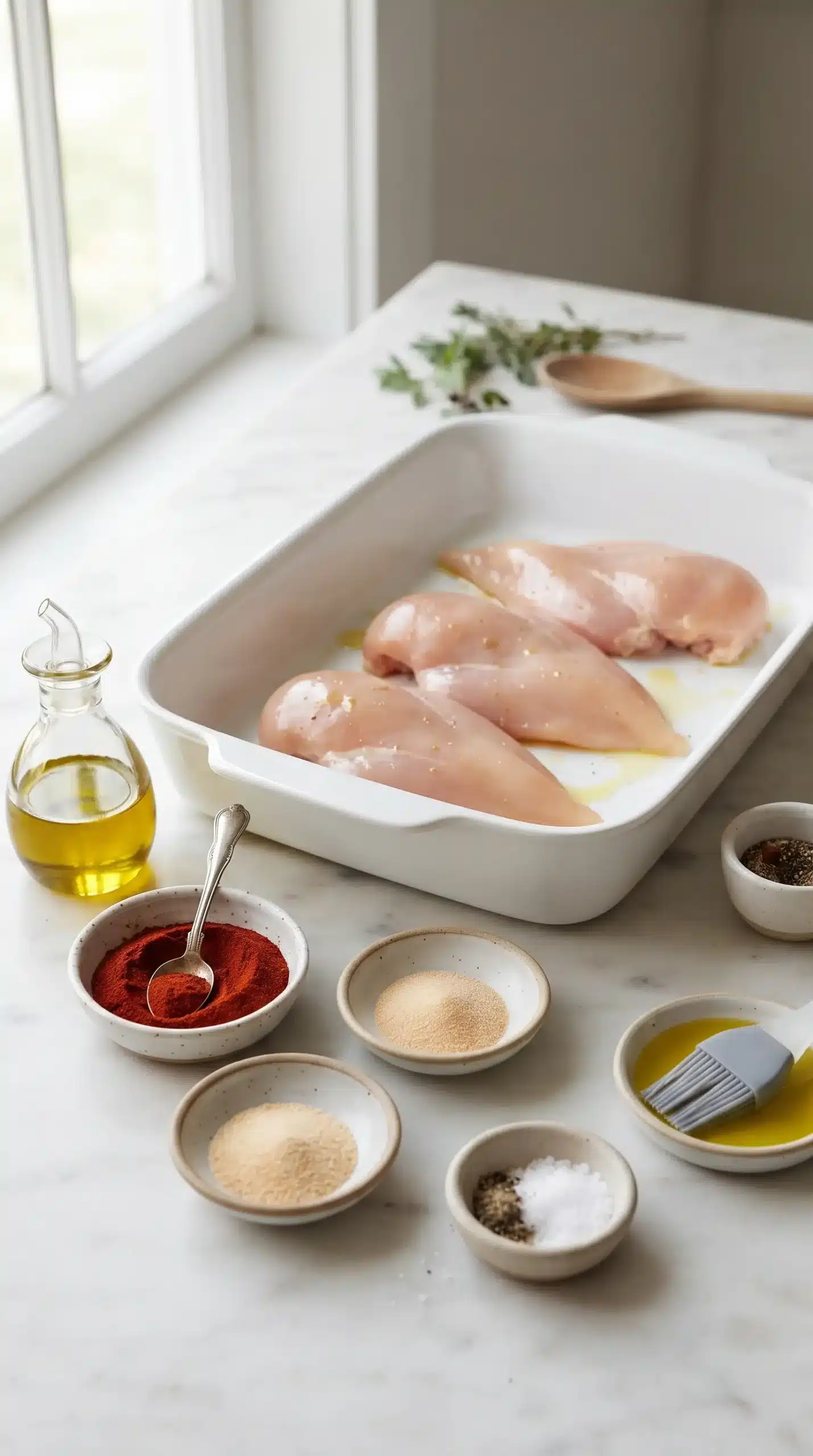
The seasoning blend gives oven baked chicken breast its recognizable savory profile through a combination of garlic powder, onion powder, smoked paprika, salt, and pepper. Olive oil helps the seasonings adhere across the surface while adding a protective coating during roasting.
Chicken Thickness Controls the Roasting Outcome
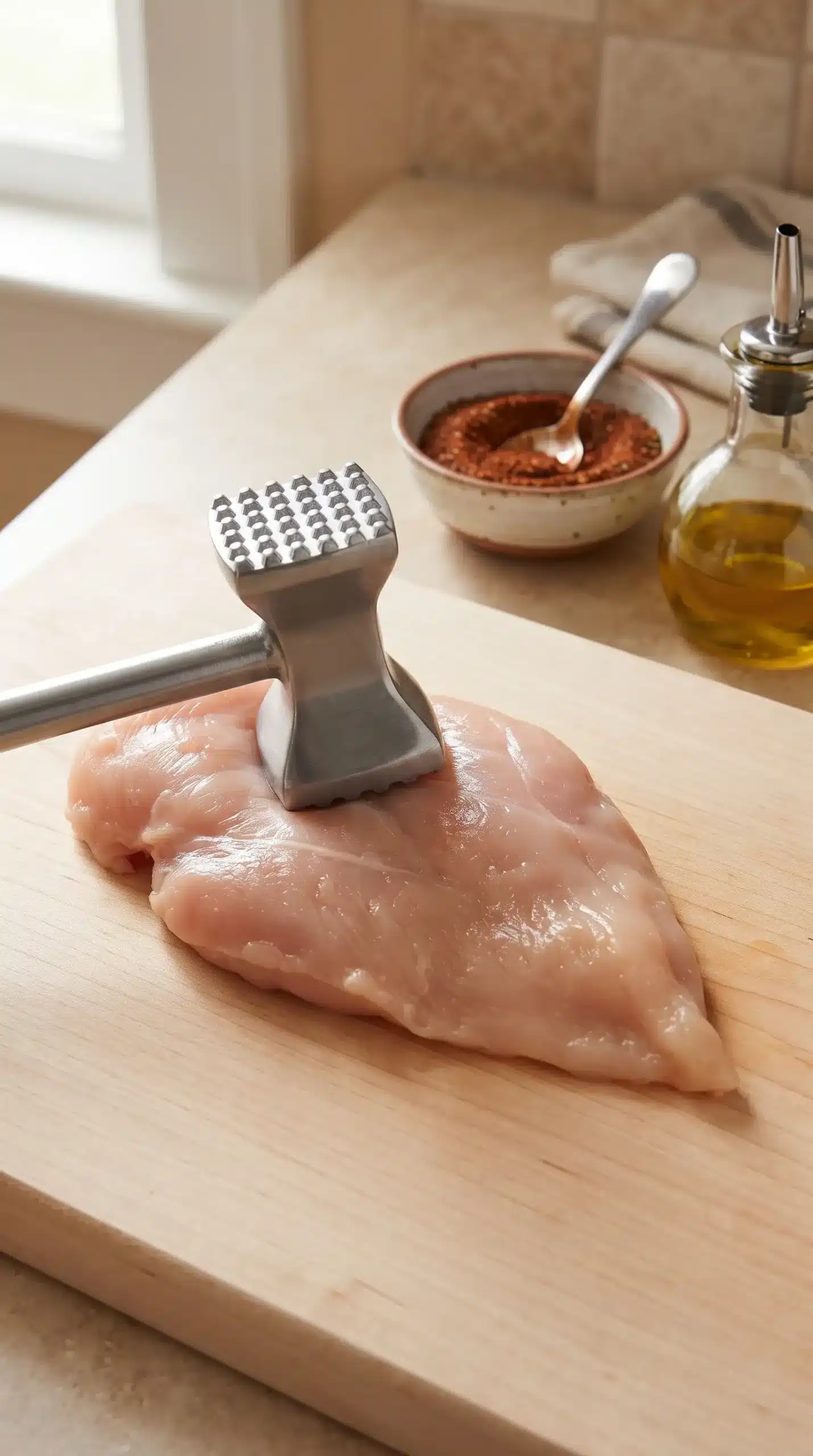
Preparing the chicken to a consistent thickness is one of the most important decisions before the pan enters the oven. The thicker center and thinner tail of a breast naturally cook at different speeds, creating a risk of uneven texture.
Pounding the thicker section creates a more level shape that allows heat to move through the meat more consistently. This preparation step also improves seasoning coverage because the surface becomes easier to coat evenly.
A dry surface before seasoning supports better oil and spice adhesion. Removing excess moisture helps the coating stay attached during baking and allows the seasoned exterior to develop its roasted character.
Oven Heat Management Keeps Roasted Chicken Balanced
The cooking temperature is the key control point for this preparation. A 400°F oven provides enough heat for a quick roast while allowing the seasoned exterior to develop flavor without overwhelming the spices.
| Cooking decision | Desired result | Reason it matters |
|---|---|---|
| Even thickness | Consistent doneness | Helps prevent thin areas from drying before the center cooks |
| Oil coating | Seasoning coverage | Allows spices to cling across the chicken surface |
| Resting period | Juicy slices | Lets internal moisture redistribute before cutting |
Common Baked Chicken Breast Mistakes Reduce Juiciness
Many problems with a tender baked chicken breast come from small handling choices instead of complicated cooking issues. The supplied method focuses on avoiding the most common texture failures.
- Skipping thickness adjustment: Uneven pieces can cook at different rates, leaving some areas less tender.
- Slicing too soon: Cutting immediately after baking releases moisture before the meat has time to settle.
- Relying on appearance alone: Surface color does not provide a reliable measurement of internal doneness.
- Overheating the protein: Continuing to cook beyond the needed temperature can reduce the soft texture that makes baked chicken appealing.
Following the preparation and temperature checks together creates a more predictable result. Each step supports the next, from the initial seasoning layer through the resting stage.
Resting Time Protects the Chicken Texture
The resting stage is a critical finishing action after the chicken leaves the oven. Loosely covering the meat with foil allows carry-over cooking to complete the process while the fibers relax and retain moisture.
Serving Ideas Highlight Tender Chicken Versatility
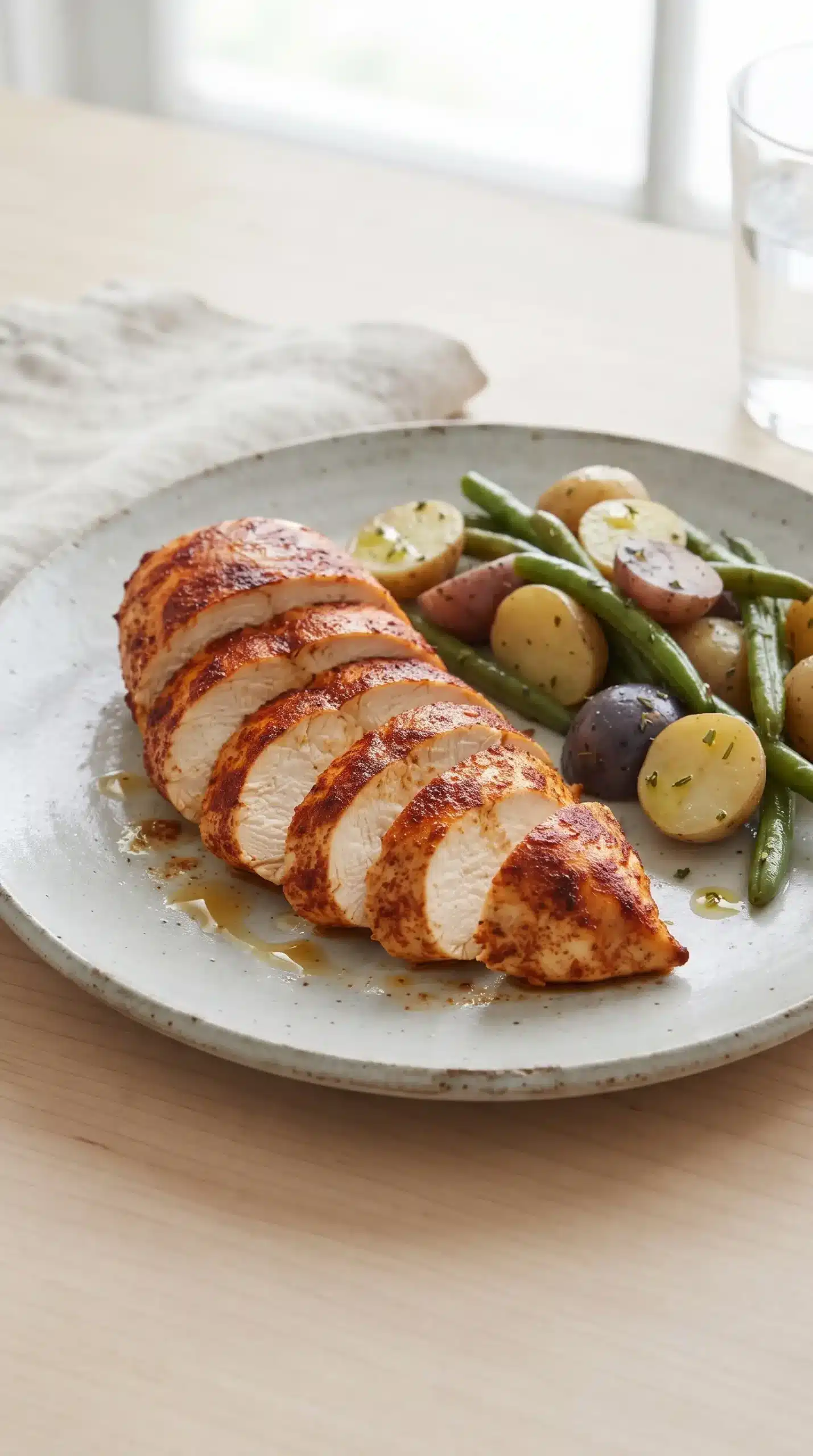
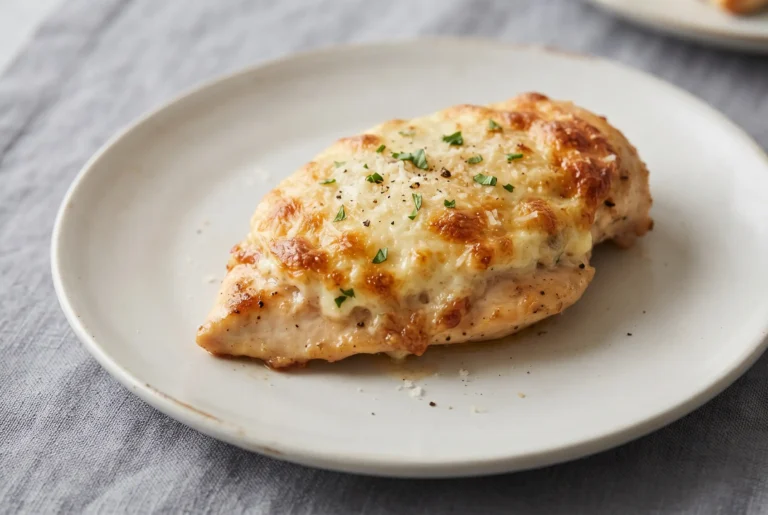
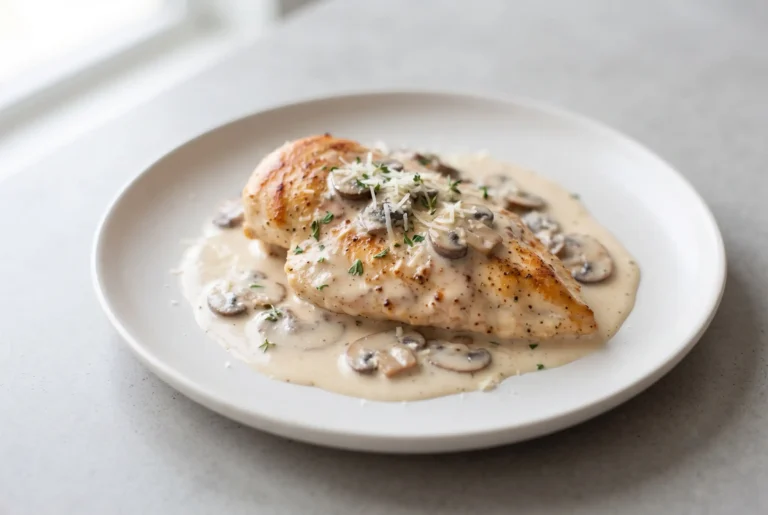
This chicken preparation has a mild, savory character that works as a standalone main dish or as a foundation for sliced chicken meals. Serving sliced chicken with complementary sides and finishing touches can create a fuller dinner experience, including Balsamic Baked Chicken Breast with Mozzarella Cheese as a richer baked chicken preparation. The neutral seasoning profile allows it to pair naturally with pasta dishes, rice bowls, and other flavorful combinations.
Storage Choices Preserve Baked Chicken Quality
Proper storage helps maintain the texture achieved during roasting. Keeping the cooked chicken whole before storing reduces unnecessary moisture loss compared with slicing it immediately.
An airtight container keeps the chicken protected while refrigerated. When reheating, adding a small amount of water or broth during gentle pan warming helps bring back moisture and prevents the meat from becoming overly firm.
High-power microwave reheating can create a rubbery texture because the lean protein heats aggressively. A slower reheating approach gives the chicken a better chance of maintaining its original tenderness.
Simple Variations Change the Seasoning Direction
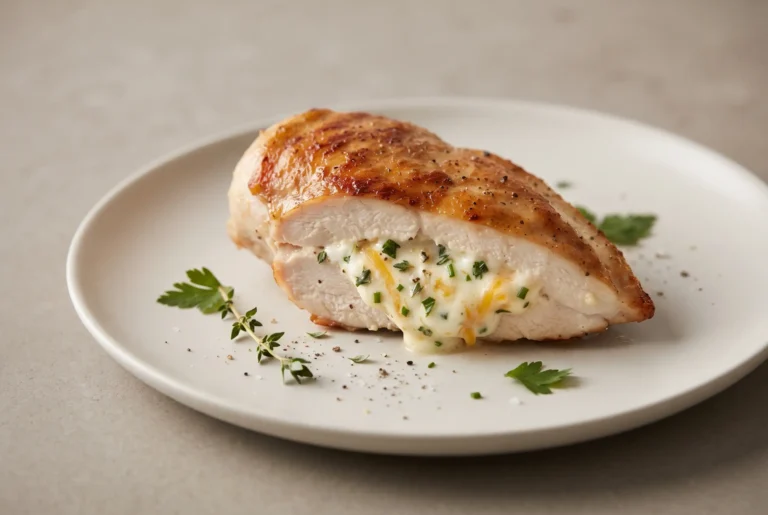
The core preparation can support different flavor styles without changing the roasting method. A Mediterranean-inspired version can replace smoked paprika with dried oregano and finish with fresh lemon juice, while a pesto caprese approach adds pesto and mozzarella near the end of baking.
Temperature Checks Define Juicy Baked Chicken Breast
A thermometer provides the most dependable way to judge doneness for this dish. Checking the internal temperature helps avoid relying on appearance, which can vary before the meat reaches the proper cooking point.
The chicken is removed from the oven at 160°F–162°F according to the supplied method, then allowed to continue cooking during the resting period until it reaches the recommended 165°F internal temperature. This approach combines precise heat control with a protected finishing stage.
Using an instant-read thermometer also helps prevent unnecessary extra baking time. Once the target temperature is reached, additional heat exposure can work against the tenderness that careful preparation creates.
Baked Chicken Breast Mastery Comes From Controlled Cooking
Baked Chicken Breast becomes reliable when thickness, heat, seasoning, and resting are treated as connected decisions. The combination of a seasoned exterior and a carefully protected interior creates the tender baked chicken breast texture that makes this preparation a dependable kitchen staple.
A well-managed roast transforms a basic protein into a versatile meal component. Careful temperature awareness and patience after baking preserve the qualities built throughout the process.
Questions and Answers for Chicken Moisture Concerns
What temperature is best for baked chicken breast?
A 400°F oven provides the recommended balance for this preparation because it supports a quick roast while allowing the seasoned exterior to develop flavor without burning the coating.
How can I keep chicken breast from becoming dry?
Keeping the thickness even, using an oil coating, checking temperature, and allowing the chicken to rest after baking all help maintain a moist texture.
Why should chicken rest before slicing?
Resting gives the internal juices time to redistribute through the meat fibers. Cutting immediately can cause those juices to escape onto the cutting surface.
Can frozen chicken breasts be used for this preparation?
Fresh or fully thawed chicken is preferred because frozen pieces release extra water as they heat, which can interfere with roasting and seasoning adhesion.
Baked Chicken Breast Recipe with Smoked Paprika Seasoning
Ingredients
Method
- Preheat the oven to 400°F / 200°C and flatten the thicker portions of the chicken breasts until they are an even thickness.
- Dry the chicken breasts with paper towels, then arrange them in a shallow baking dish or on a parchment-lined baking sheet.
- Brush the chicken breasts with olive oil and coat both sides evenly with garlic powder, onion powder, smoked paprika, salt, and black pepper.
- Bake the chicken on the center oven rack for 20–25 minutes, checking the internal temperature as it nears the end of cooking.
- Take the chicken from the oven when it reaches 160°F–162°F / 71°C–72°C, cover loosely with foil, and allow carry-over cooking to bring it to 165°F / 74°C.
- Let the chicken rest for 5–8 minutes before slicing and serving with fresh herbs if desired.