Balsamic Baked Chicken with Mozzarella Cheese Recipe
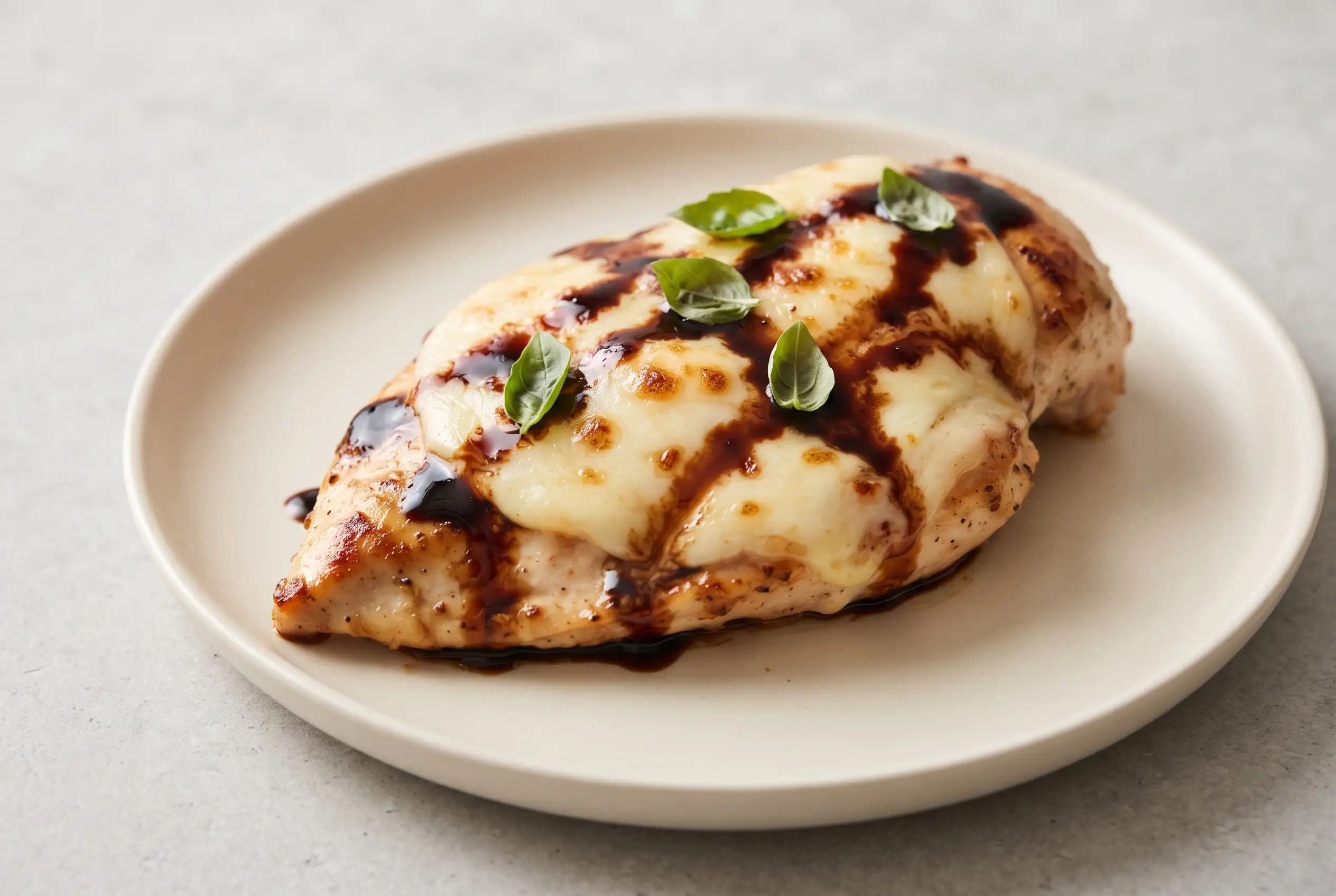
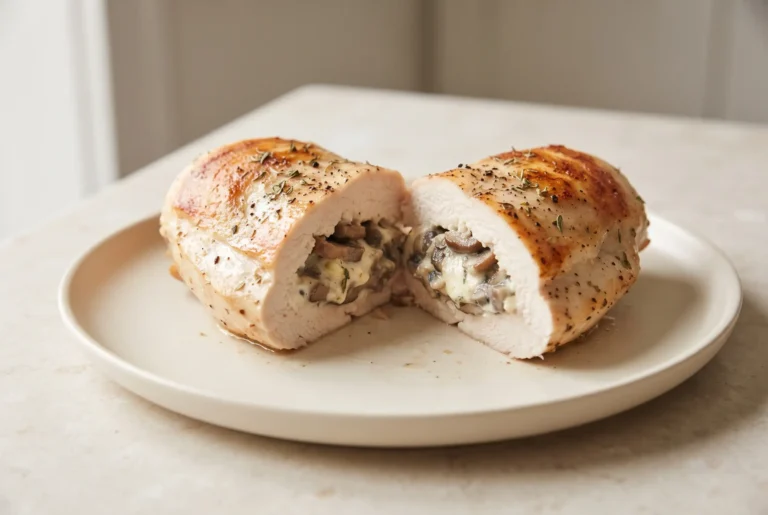
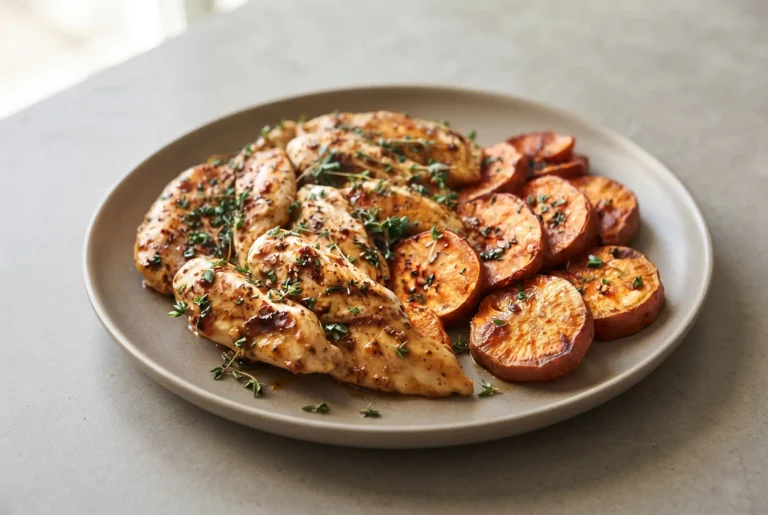
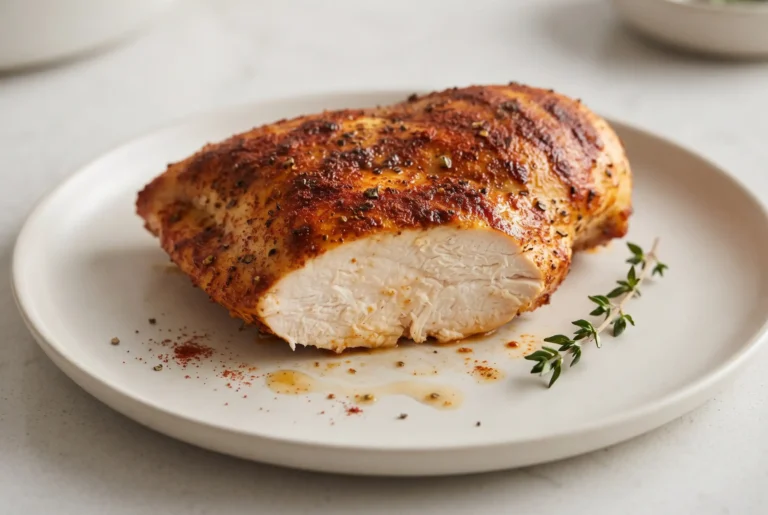
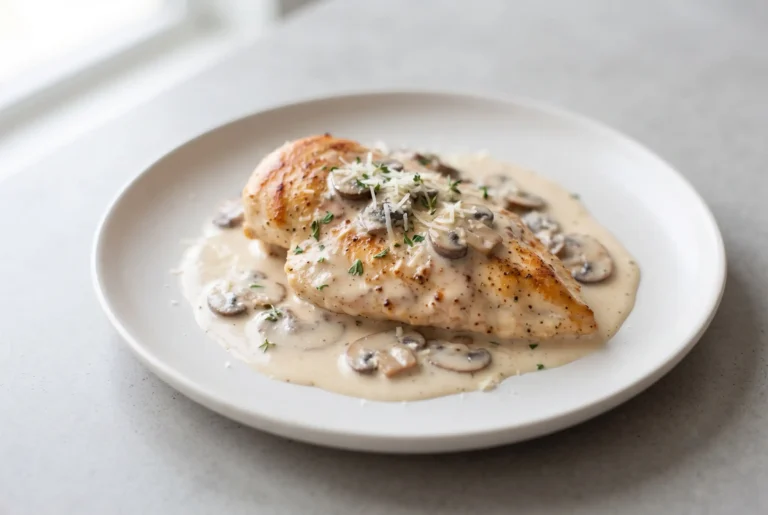
Balsamic baked chicken brings together a browned chicken breast surface, a glossy balsamic reduction, and a melted mozzarella topping to create a savory-sweet dinner with a polished finish. The cooking approach relies on controlled browning before the oven stage, allowing the chicken to develop deeper flavor while the glaze and cheese help maintain a tender texture.
Why Balsamic Baked Chicken Creates a Balanced Flavor Finish
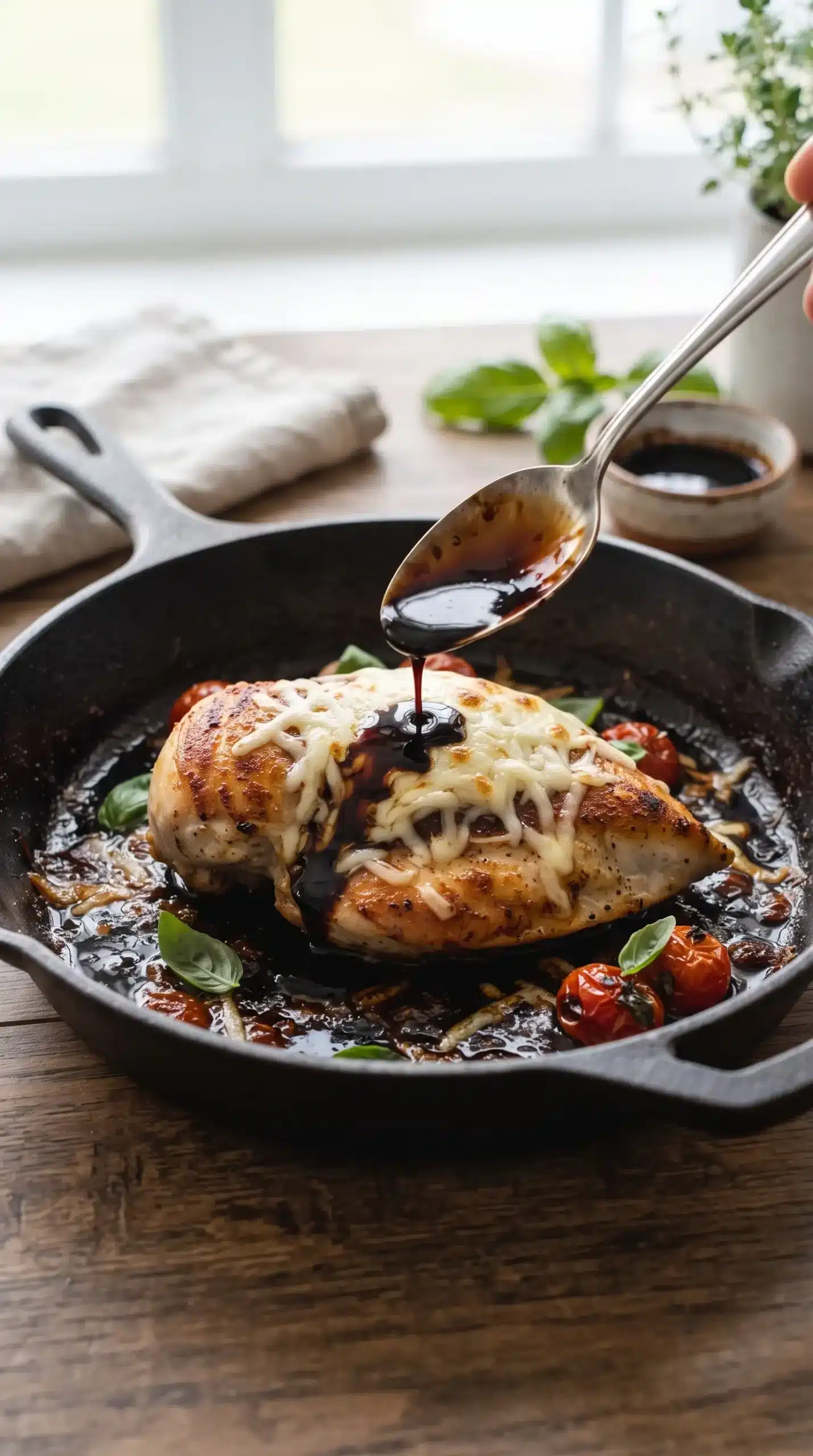
Careful layering is what makes balsamic baked chicken stand apart from a basic oven-roasted poultry dish. The initial skillet sear creates a golden exterior through the Maillard reaction in seared meats, building complex savory notes before the balsamic glaze and mozzarella are introduced.
During baking, the reduced balsamic coating contributes a concentrated sweet and acidic character. That sharpness works with the richness of melted cheese, creating contrast between the tangy glaze and the creamy mozzarella layer covering the chicken.
Precision also influences the finished texture. The chicken is protected from excessive moisture loss by combining a flavorful glaze with a cheese topping, while the resting period allows the juices inside the meat to settle before slicing.
Balsamic Glaze and Mozzarella Define the Chicken’s Texture
The ingredients selected for a mozzarella balsamic chicken recipe each serve a specific purpose during cooking. A thick balsamic glaze clings to the chicken surface, allowing its concentrated flavor to remain attached as the dish finishes in the oven.
Low-moisture mozzarella is especially useful because it melts into a smooth, savory layer that complements the glaze. The cheese creates a protective covering while adding the familiar stretch and richness associated with baked chicken breast with mozzarella cheese.
Fresh basil added after baking provides a bright finishing note that cuts through the deeper flavors created by the sear, reduction, and melted cheese. Optional zucchini and bell peppers can roast alongside the chicken to add color and a vegetable component without changing the core cooking process.
| Component | Cooking role | Best result indicator |
|---|---|---|
| Balsamic glaze | Adds concentrated sweet-tangy flavor and coats the surface | Thick consistency that adheres to chicken |
| Mozzarella cheese | Creates a melted savory topping | Smooth, rich layer after baking |
| Chicken breast | Provides the main protein structure | Tender interior with browned exterior |
Searing Controls Give Balsamic Baked Chicken Its Savory Crust
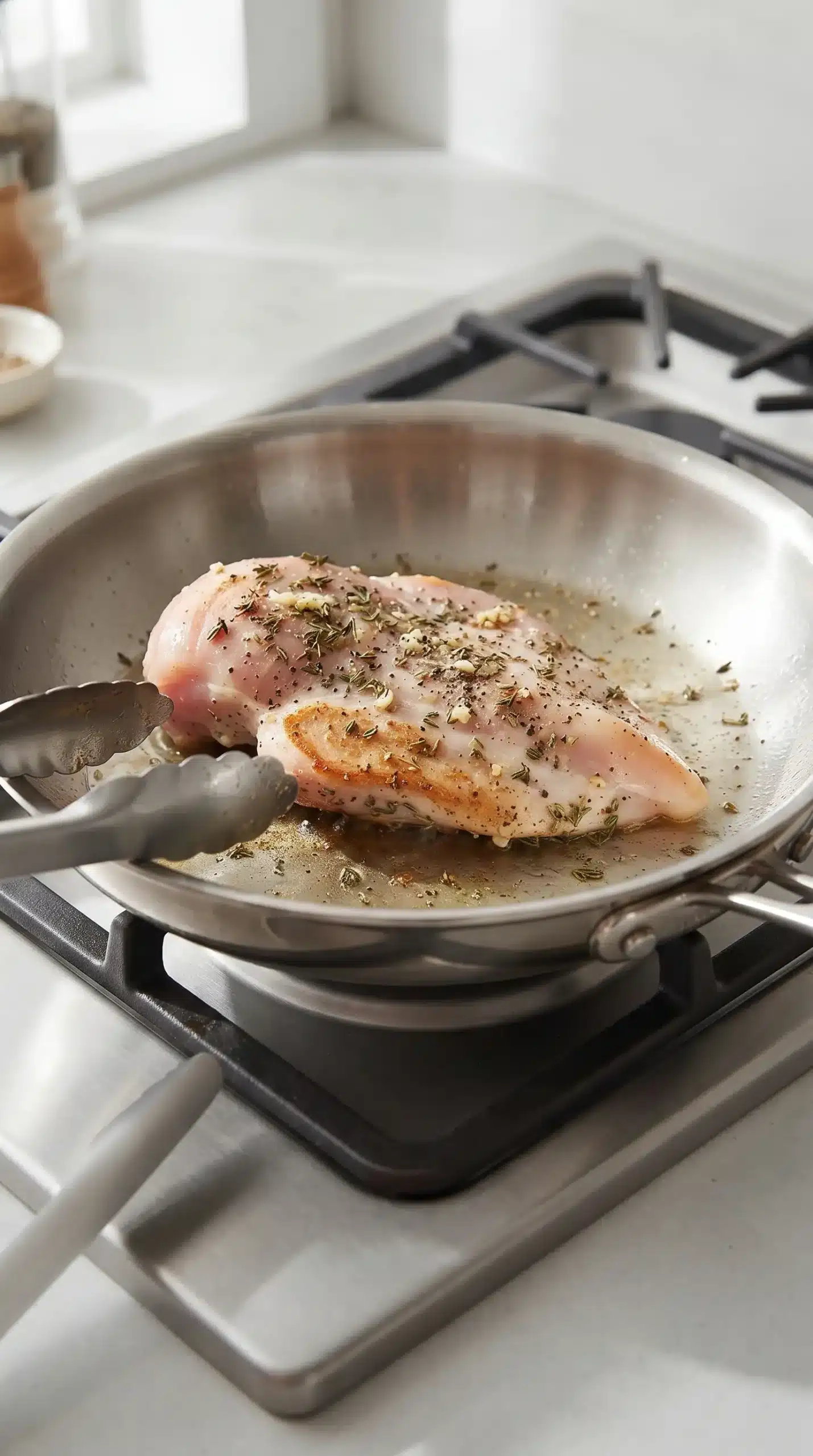
Proper surface preparation begins before the oven is involved. Drying the chicken breasts before seasoning helps create better contact with the hot skillet, which supports the formation of a golden crust. A careful baked chicken breast preparation method keeps the meat tender while creating the foundation needed for the balsamic glaze and mozzarella topping.
Heat management matters during the initial sear because the chicken needs enough time to develop color before it is transferred for baking. Moving the meat too frequently can interfere with browning and reduce the flavorful surface that supports the finished dish.
Oven roasting completes the cooking process after the glaze and cheese are added. A digital thermometer confirms that the chicken reaches the correct internal temperature, helping protect the delicate breast meat from unnecessary overcooking.
Roasted Vegetable Additions Complete the Plate
Sliced zucchini and bell peppers can be arranged around the chicken before baking, allowing the vegetables to roast alongside the glazed poultry. Their mild flavors complement the balsamic coating while adding a colorful presentation.
Balsamic Baked Chicken Mistakes That Affect the Final Texture
Several small errors can change the result of balsamic baked chicken. Most problems come from choosing the wrong glaze consistency, handling the cheese poorly, or overlooking temperature control during the cooking process.
- Thin glaze: Standard balsamic vinegar can spread too easily and fail to create the concentrated coating needed for roasting.
- Weak sear: Moving chicken before a crust forms can prevent the browned surface that builds savory depth.
- Dry chicken: Skipping temperature checks or baking beyond the proper point can reduce moisture in the breast meat.
- Uneven cheese melt: Cheese that contains additives for preventing clumping may not create the smooth finish expected from freshly grated mozzarella.
Correcting these issues starts with observing the ingredients before cooking. A thick reduction, a properly heated skillet, and a thermometer-guided finish all support a more consistent mozzarella balsamic chicken recipe.
Resting and Temperature Checks Protect the Chicken Interior
Resting the baked chicken after removing it from the oven gives the internal juices time to redistribute. Cutting immediately can allow moisture to escape before it settles back into the meat.
Mozzarella Choices Change the Baked Cheese Finish
Cheese selection influences both appearance and texture in baked chicken breast with mozzarella cheese. Fresh buffalo mozzarella pearls can create a more refined finish, while low-moisture mozzarella provides dependable melting across the chicken surface.
Storage and Reheating Preserve Mozzarella Balsamic Chicken Quality
Leftover balsamic chicken breast with mozzarella can be stored in an airtight glass container to maintain its flavor and texture. The balsamic glaze may continue to deepen the chicken’s flavor as it rests.
Freezing is possible when longer storage is needed, although the mozzarella texture may become firmer after thawing. Careful reheating helps preserve the balance between the tender chicken and melted cheese topping.
For reheating, a moderate oven temperature can reactivate the cheese while helping the chicken remain moist. When using a microwave, adding a small amount of water and lowering the power setting helps create steam and protect the texture.
Variations Bring New Directions to Balsamic Chicken Breast with Mozzarella
Boneless skinless chicken thighs can replace breasts for a richer variation because their higher fat content creates a different texture. Additional options include placing spinach and sun-dried tomatoes beneath the mozzarella or adding Italian seasoning and garlic powder to the glaze.
Glaze Handling Keeps the Sweet-Tangy Balance Intact
The balsamic reduction is one of the defining elements of the dish, so its thickness deserves attention. A properly reduced glaze coats the chicken instead of collecting at the bottom of the baking dish, allowing the flavor to remain concentrated on the surface.
Homemade glaze can be prepared by reducing balsamic vinegar with honey or brown sugar until it thickens enough to coat the back of a spoon. That consistency creates the same type of concentrated finish needed for a successful balsamic baked chicken preparation.
Acidity from the balsamic reduction balances the richness of the mozzarella, creating a finished flavor profile that feels layered instead of overly heavy. Maintaining the right glaze texture is central to achieving that balance.
Serving Details Highlight the Finished Chicken
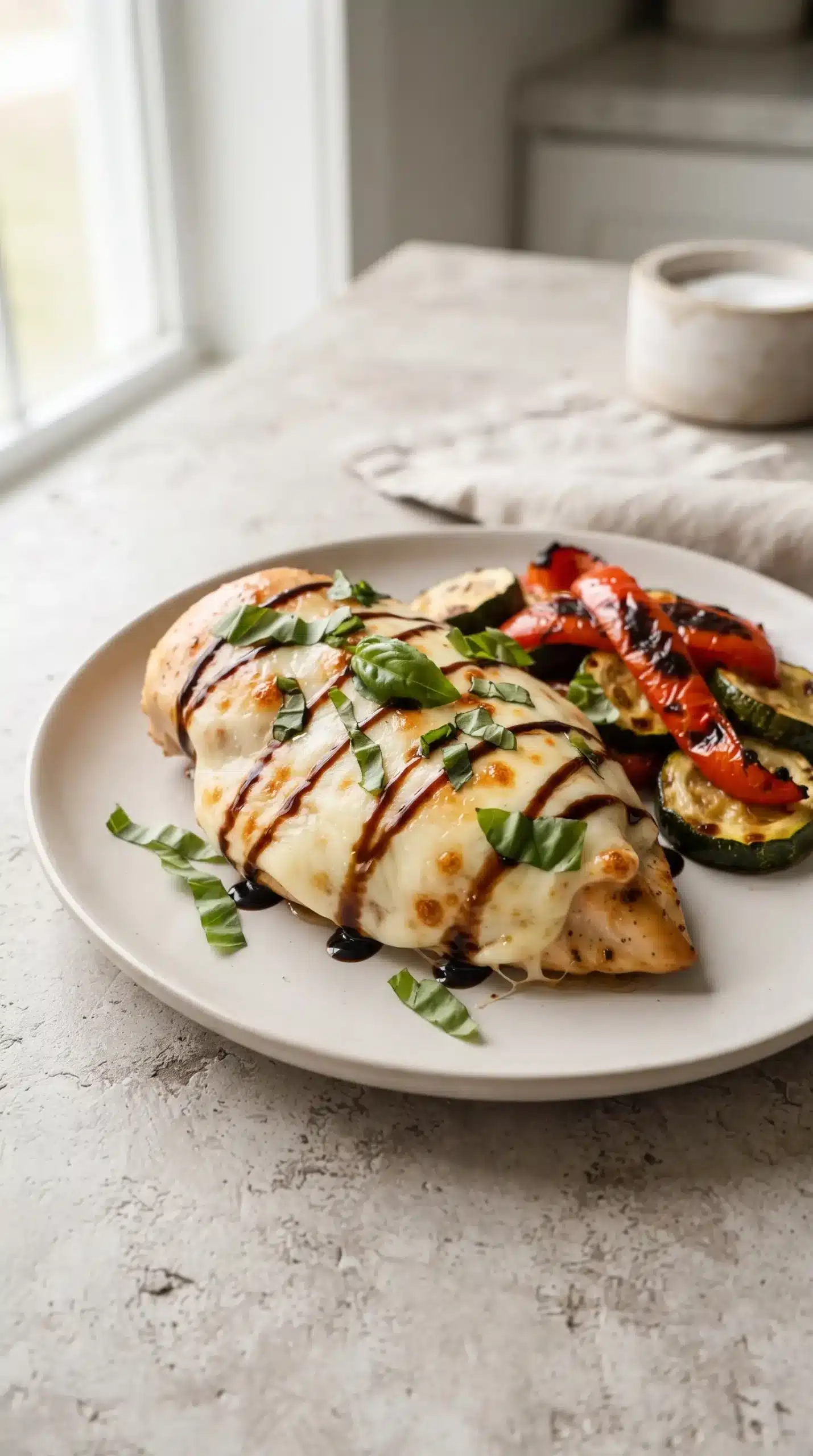
Fresh basil added after baking brings a fresh contrast to the browned chicken, sweet glaze, and melted cheese. The finished dish is suited to serving immediately while the mozzarella remains warm and the glaze stays glossy.
Balsamic Baked Chicken Reaches Its Best Texture Through Controlled Finishing
The chicken’s browned exterior, reduced glaze, and mozzarella topping work together because each stage protects a different quality. Searing establishes depth, the glaze concentrates flavor, and the cheese helps maintain a satisfying baked finish.
Temperature awareness and resting time determine how those elements come together on the plate. Balsamic baked chicken succeeds when the cooking process preserves tenderness while allowing the sweet, acidic, and savory layers to remain distinct.
Balsamic Baked Chicken Moisture Questions and Answers
How can I prevent balsamic baked chicken from drying out?
Keeping the chicken from drying out depends on accurate temperature control, a proper sear, and allowing the meat to rest after baking. The mozzarella topping and balsamic glaze also help create a more protected cooking environment.
What makes the balsamic glaze different from regular vinegar?
A balsamic glaze is a thickened reduction with a concentrated flavor and texture that allows it to cling to the chicken. Regular vinegar is thinner and does not provide the same coating effect during roasting.
Can I use fresh mozzarella for this baked chicken dish?
Fresh mozzarella can be used for a more delicate finish, including buffalo mozzarella pearls. Low-moisture mozzarella is preferred when a consistent melted layer across the chicken is the main goal.
Why should the chicken be seared before baking?
The sear creates a browned surface that adds deeper savory flavors through the Maillard reaction. It also helps prevent the plain texture that can occur when chicken is only baked without an initial crust.
How should leftovers be reheated while keeping the cheese enjoyable?
Gentle reheating helps maintain the chicken’s moisture and keeps the mozzarella from becoming overly firm. A moderate oven or lower microwave setting with added moisture provides a better texture after storage.
Balsamic Baked Chicken Breast with Mozzarella Cheese
Ingredients
Method
- Preheat the oven to 375°F / 190°C. Pat the chicken breasts dry with paper towels.
- Season both sides of the chicken breasts with sea salt and black pepper.
- Warm olive oil in a heavy-bottomed skillet over medium-high heat and sear the chicken breasts for 3–4 minutes per side until browned.
- Move the seared chicken breasts to a baking dish and place sliced zucchini and bell peppers around them if using.
- Pour balsamic glaze over the chicken breasts and spread shredded mozzarella cheese over each piece.
- Bake the chicken for 25–30 minutes until the internal temperature reaches 165°F / 74°C.
- Allow the baked chicken to rest for 5 minutes, then finish with fresh basil leaves before serving.