Chicken Bulgogi Recipe with Sweet Savory Korean Marinade
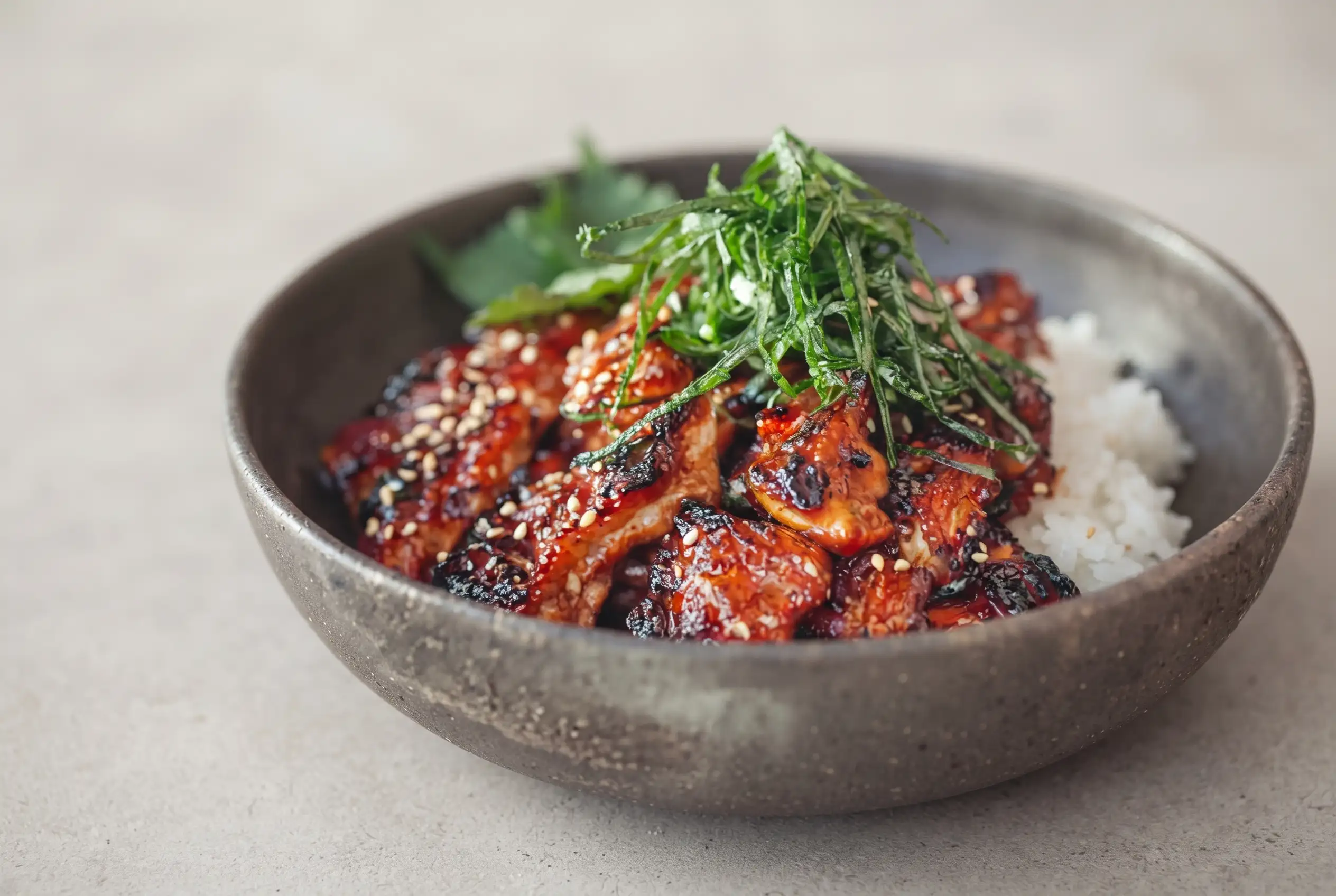
Chicken bulgogi recipe brings together sweet, savory, and umami flavors through a Korean-inspired marinade designed for fast, high-heat cooking. Thinly sliced chicken thighs absorb soy, sesame, garlic, ginger, and chili notes before developing a caramelized exterior in a hot skillet. The result is a deeply flavored meal with juicy meat, a glossy glaze, and the bold character expected from a Korean chicken bulgogi recipe.
Chicken Bulgogi Flavor Balance Starts with Korean Marinade
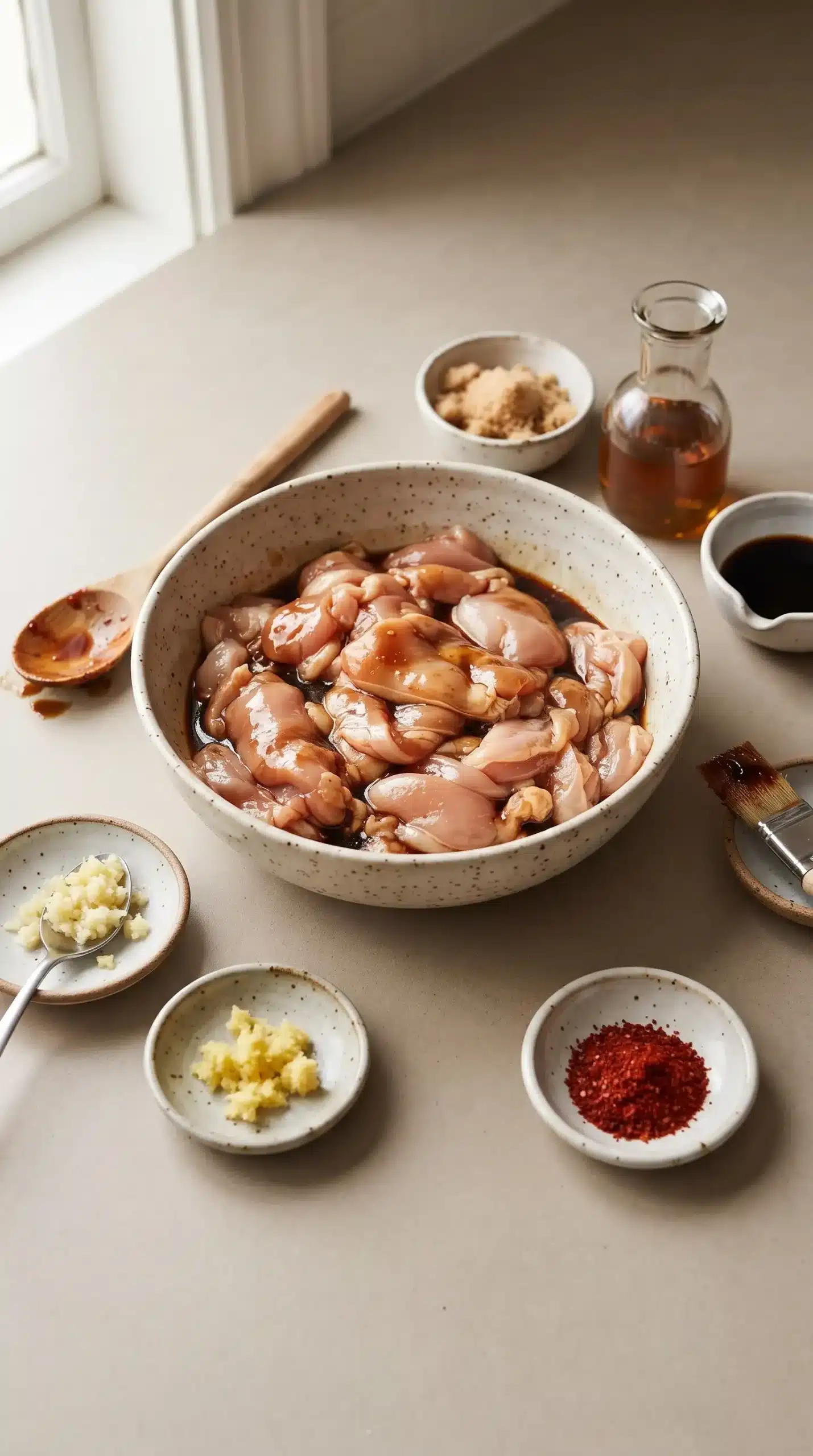
Balanced flavors define savory chicken bulgogi because every part of the marinade has a specific role. Soy sauce creates the salty foundation, brown sugar supports a rich sweetness, and toasted sesame oil adds a nutty depth that carries through the finished dish.
Fresh garlic and ginger provide aromatic intensity while the chili flakes introduce gentle heat. These flavors become more pronounced after the chicken rests in the marinade, allowing the thin slices to absorb the seasoning across a larger surface area.
Unlike thicker cuts that require long cooking periods, the sliced chicken used here is designed for quick contact with high heat. The combination of a flavorful marinade and rapid searing creates the signature contrast of a tender center with a caramelized outside.
| Flavor element | Recipe component | Cooking effect |
|---|---|---|
| Salty depth | Low-sodium soy sauce | Builds the savory base of the glaze |
| Sweet caramelization | Brown sugar | Helps create a sticky browned coating |
| Aromatic warmth | Garlic and ginger | Adds fresh, sharp flavor throughout the chicken |
| Nutty richness | Toasted sesame oil | Rounds out the marinade profile |
Chicken Thighs Improve Texture Through Fast Searing
Chicken thighs are especially effective for this cooking style because their natural fat content helps protect the meat during intense skillet heat. The quick sear develops exterior color while the interior remains moist and flavorful.
Thin slicing also changes how the chicken cooks. Each piece has more exposed surface area, allowing the soy-sesame marinade to coat the meat efficiently and helping create more browned edges through surface area and browning effects during high-heat searing.
For cooks preparing an easy chicken bulgogi recipe at home, the cut of chicken matters as much as the seasoning. Thighs provide a forgiving texture that works well with the aggressive heat needed for caramelization.
Fresh Aromatics Define the Marinade Character
Fresh ginger and garlic shape the personality of the dish by adding bright, concentrated flavors that balance the richness of sesame oil and chicken thighs.
Three Choices That Protect Bulgogi Quality
- Slice evenly: Uniform strips cook at the same rate and prevent smaller pieces from drying before thicker pieces finish.
- Separate batches: Cooking smaller amounts keeps the pan hot and encourages browning instead of steaming.
- Reserve toppings: Keeping green onion tops and sesame seeds until serving preserves their fresh appearance and texture.
High Heat Controls the Chicken Bulgogi Sear
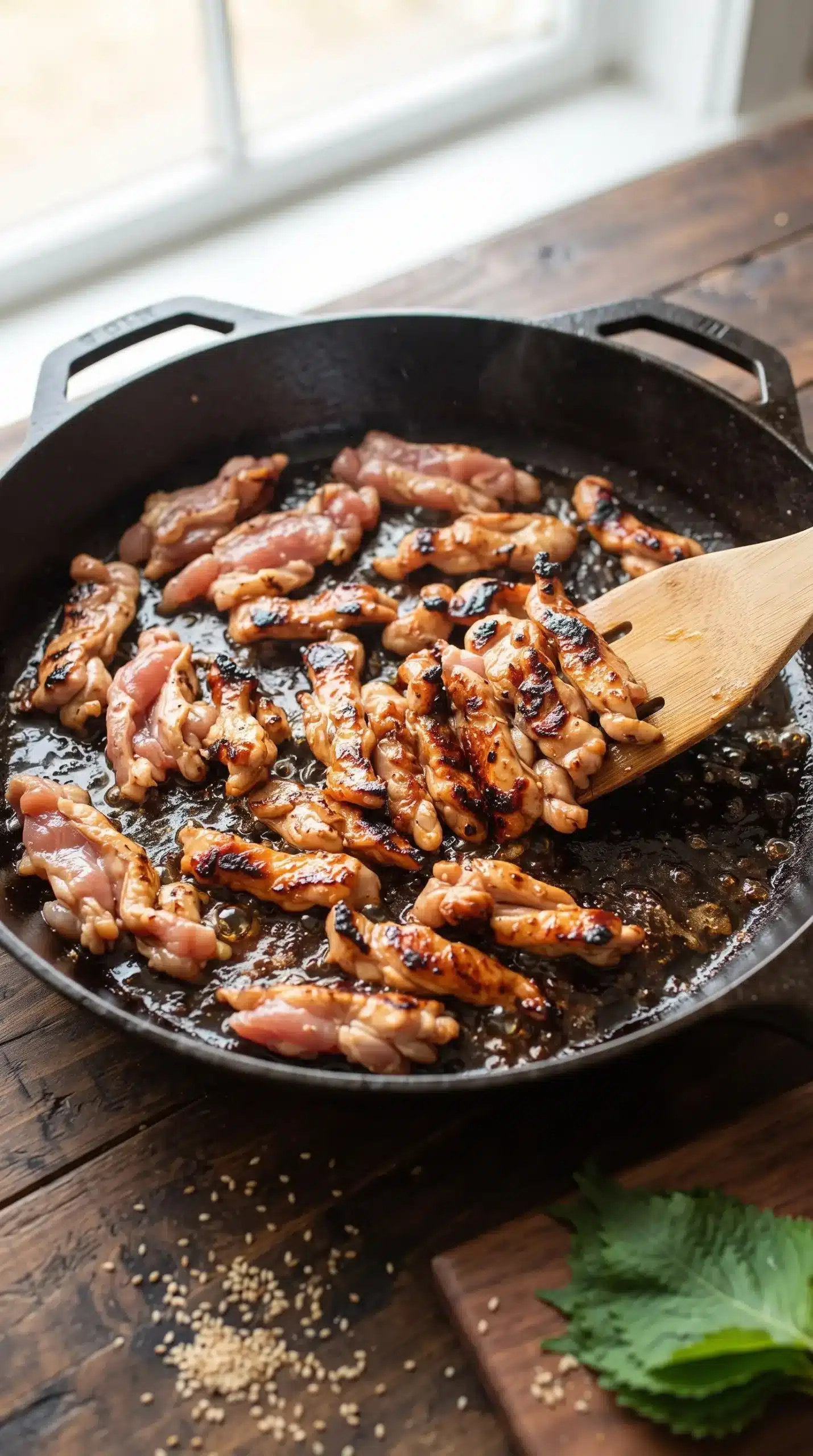
The skillet temperature determines whether the chicken develops the desired browned surface or releases too much moisture. A properly heated heavy-bottomed pan allows the meat to make strong contact with the cooking surface.
Cooking in batches creates room for each slice to touch the pan. When overcrowding occurs, released moisture can lower the temperature and prevent the sticky glaze from forming properly.
After the chicken begins browning, continued cooking allows the marinade to reduce into a concentrated coating. The internal temperature must reach 165°F while the sauce transforms into a glossy finish.
Mistakes That Can Weaken Chicken Bulgogi Results
Several common errors can reduce the impact of this dish. Overloading the skillet, skipping proper slicing, or using weak aromatics can all change the final texture and flavor.
Excessive crowding is one of the biggest risks because the chicken may steam instead of sear. Cooking in separate batches keeps the pan hot enough for the caramelized surface associated with bulgogi.
Another issue comes from rushed preparation. Allowing the marinade time to coat the chicken helps the flavors penetrate, while fresh ginger and garlic provide the strongest aromatic result.
| Problem | What happens | Better approach |
|---|---|---|
| Pan overcrowding | Chicken releases moisture and loses browning | Cook in smaller batches |
| Uneven slices | Pieces finish at different times | Create consistent thin strips |
| Old aromatics | Flavor becomes less vibrant | Use freshly minced garlic and ginger |
Marinating Decisions Shape the Final Flavor
The marinade works through both seasoning and tenderizing effects. Ginger, soy sauce, sesame oil, garlic, and spices combine to create the recognizable profile associated with Korean chicken bulgogi. A balanced glaze built around sweet and savory ingredients can be seen in honey garlic chicken breasts, where caramelized flavors complement tender chicken preparation.
Short marinating periods can still build flavor because the chicken is sliced thinly. Longer refrigeration allows additional time for the seasoning mixture to interact with the meat before cooking.
Temperature awareness remains important during marinating. The chicken should be handled carefully and refrigerated when holding beyond a short preparation period.
Serving Ideas Expand Savory Chicken Bulgogi
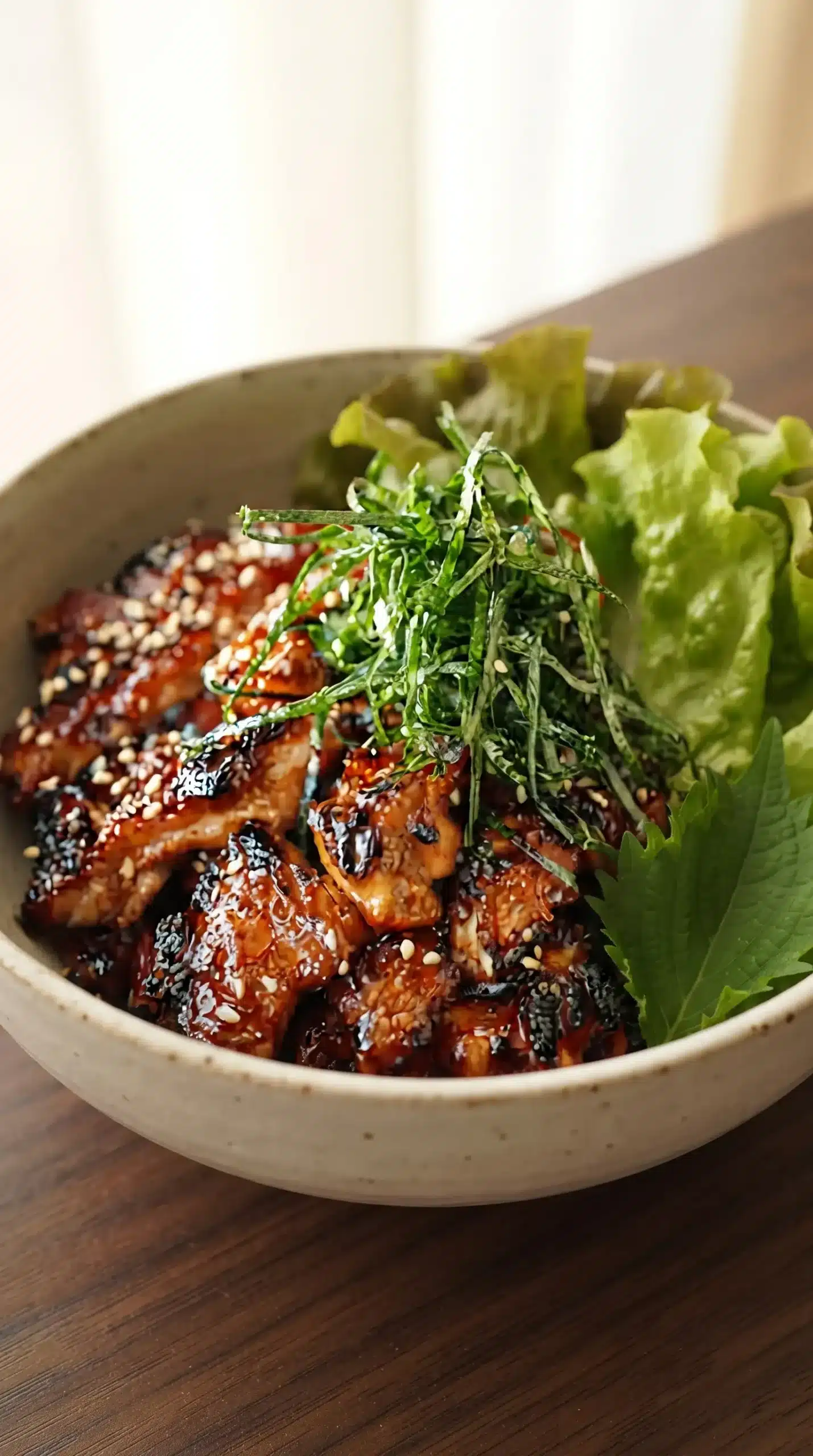
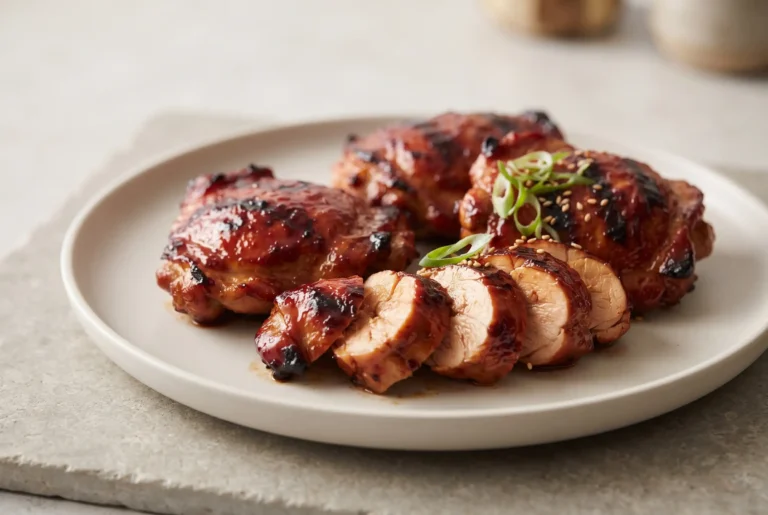
Classic presentation can highlight the glossy chicken with simple toppings such as sliced green onion and toasted sesame seeds. The contrast between the rich glaze and fresh garnish keeps each bite balanced.
For a different style, the cooked chicken can be paired with vegetables or wrapped in crisp lettuce leaves. A bulgogi bowl variation can include sliced white onions and shredded carrots during the final cooking stage so they absorb the glaze.
Storage Keeps Cooked Bulgogi Ready
Leftover chicken can be placed in a shallow airtight glass container and kept fresh for up to 3 days. Gentle reheating helps maintain the texture of the glaze.
Reheating Preserves the Sticky Glaze
A skillet is the preferred way to warm the chicken because direct heat can restore the sauce consistency. Adding a teaspoon of water while reheating helps loosen the glaze without removing its flavor.
Chicken Bulgogi Delivers Maximum Flavor Through Controlled Heat
The chicken develops its best texture when thin slices, balanced marinade ingredients, and careful skillet management work together. The browned exterior comes from respecting the pan temperature, while the juicy interior comes from choosing a suitable cut and avoiding unnecessary moisture loss.
Every part of the cooking process supports the same result: a savory Korean-inspired chicken dish with a concentrated glaze and dependable texture. The relationship between marinade balance and searing technique creates the defining character of chicken bulgogi.
Questions About Chicken Bulgogi Preparation
Can chicken breast replace thighs in chicken bulgogi?
Chicken breast can be used, but it requires closer attention because it contains less fat and can dry out faster. Keeping slices even and slightly reducing cooking time helps maintain a tender result.
How long should chicken sit in the marinade?
The chicken can absorb flavor during a short marinating period, while refrigeration for longer holding allows the seasoning to develop further. Thin slices make the process efficient because more surface area contacts the marinade.
Why does my chicken bulgogi not become caramelized?
A lack of browning often comes from too much moisture in the pan or overcrowding. Cooking smaller batches over properly heated cookware allows the glaze to reduce and the surface to brown.
How can I make the dish gluten-free?
Standard soy sauce contains wheat, so gluten-free versions can replace it with alternatives such as tamari or coconut aminos. Checking condiment labels helps match dietary needs.
Can uncooked marinated chicken be frozen?
The chicken can be frozen in the marinade for up to 3 months. Thawing it overnight in the refrigerator before cooking allows safer handling and more even searing.
Chicken Bulgogi Recipe with Sweet Savory Korean Marinade
Ingredients
Method
- Whisk the soy sauce, brown sugar, garlic, ginger, sesame oil, white parts of the green onions, black pepper, and chili flakes together until the sugar is fully dissolved.
- Add the sliced chicken thighs to the marinade and stir until evenly coated. Marinate for at least 30 minutes at room temperature or up to 2 hours in the refrigerator.
- Warm a heavy-bottomed skillet over medium-high heat and add the neutral oil.
- Cook the marinated chicken in two batches, arranging each batch in a single layer. Leave the chicken untouched for 2 minutes before stirring.
- Continue cooking for 3 to 5 minutes, until the sauce thickens into a sticky glaze and the chicken reaches 165°F / 74°C internally.
- Allow the cooked chicken to rest for 2 minutes, then finish with the green onion tops and toasted sesame seeds before serving.