Yogurt Marinated Chicken with Greek Yogurt Marinade
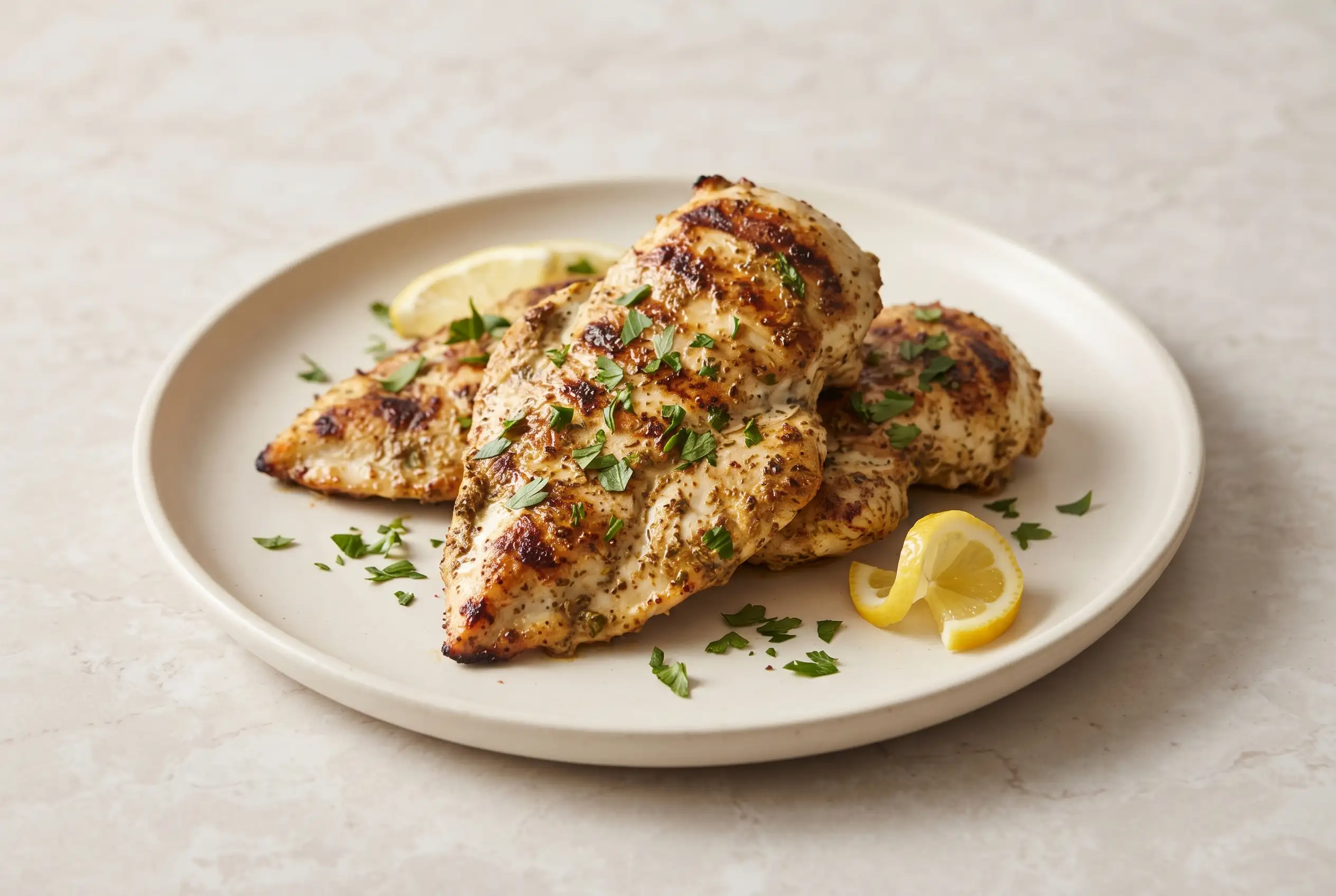
Yogurt Marinated Chicken creates a deeply tender, flavorful meal by combining creamy Greek yogurt, aromatic spices, lemon, garlic, and careful high-heat cooking. The yogurt-based marinade surrounds chicken cutlets with a balanced mixture that helps protect moisture while building a golden, savory exterior.
Yogurt Marinated Chicken Builds Tender Texture Through Gentle Marinade Science
The defining feature of yogurt marinated chicken is the way the dairy-based coating interacts with poultry before cooking. Greek yogurt provides a thick surface layer that holds seasonings close to the chicken, allowing the lemon, garlic, herbs, and spice mixture to stay in contact throughout the resting period.
The lactic acid in yogurt works gradually on the outer protein structure, creating a tender texture without the harsh effect associated with stronger acidic marinades. The result is chicken that can handle intense cooking temperatures while maintaining a juicy interior.
Full-fat yogurt also contributes richness to the finished dish. Combined with olive oil and honey, the marinade develops a coating that encourages browning and helps create the characteristic golden crust associated with a tender yogurt marinated chicken recipe.
Greek Yogurt Chicken Marinade Creates a Balanced Flavor Foundation
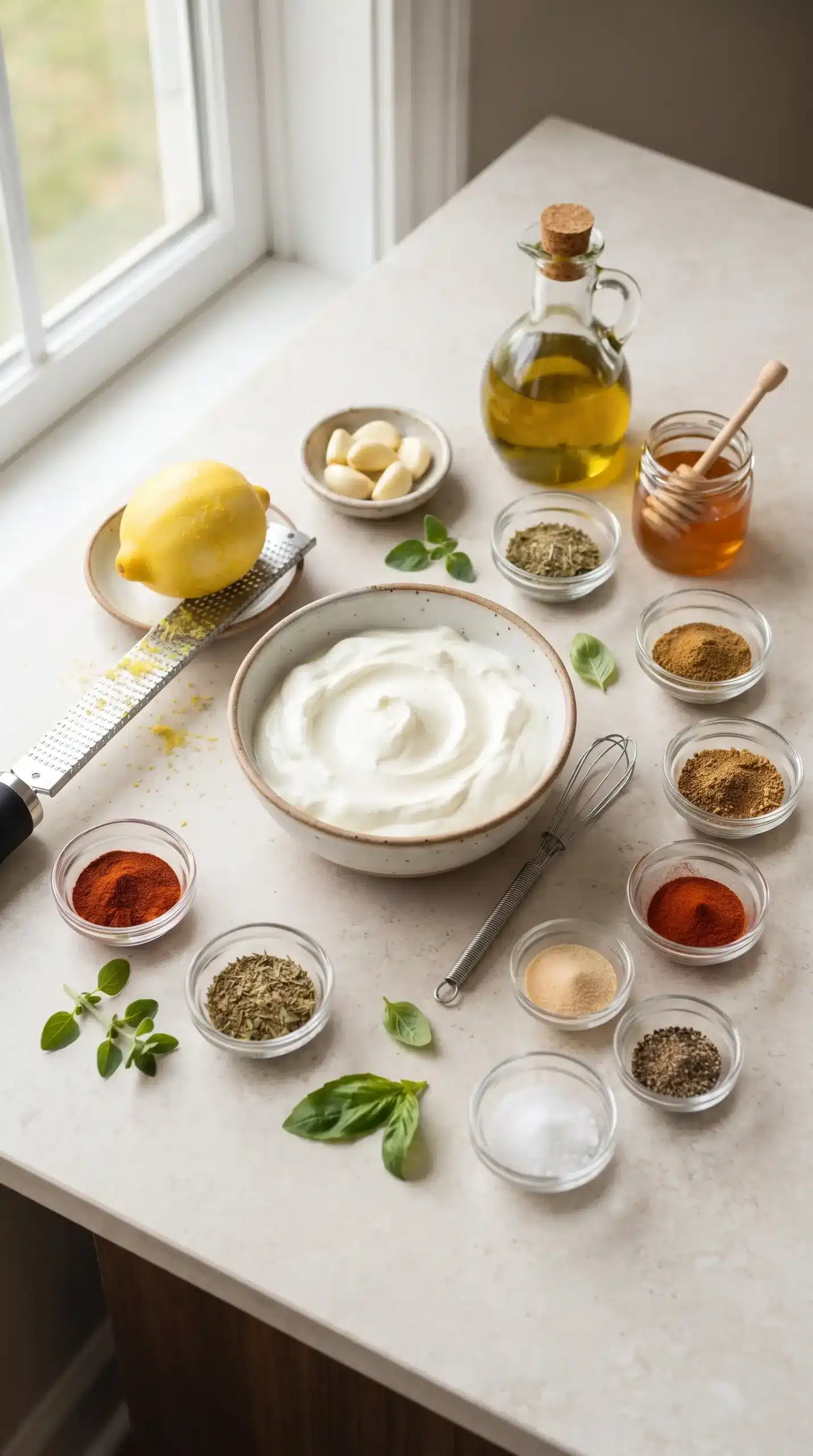
The most important ingredient decisions center on the relationship between full-fat Greek yogurt, lemon zest, garlic, olive oil, honey, and the spice matrix. The thick yogurt carries the aromatics, while the lemon zest provides concentrated citrus character, the honey supports caramelization, and the combination of paprika, oregano, basil, cumin, coriander, cayenne, onion powder, salt, and pepper builds layered seasoning without overpowering the chicken.
Marinating Time Shapes the Tender Yogurt Marinated Chicken Finish
The resting period determines how deeply the flavors settle into the chicken. A shorter marination period begins the tenderizing process, while a longer rest allows the yogurt mixture to work more thoroughly across the surface. Keeping the chicken coated and refrigerated during this stage preserves the intended texture and prepares the cutlets for even cooking.
High Heat Cooking Controls Protect Yogurt Marinated Chicken Breast

Cooking yogurt marinated chicken breast successfully depends on managing heat, surface moisture, and timing. Removing the chicken from refrigeration before cooking helps reduce the temperature difference between the outside and center, supporting more even heat movement during cooking. Careful temperature control is especially important when preparing baked chicken breast, where even heat distribution helps maintain a juicy interior.
The marinade is designed to perform across several high-heat methods. Baking develops a steady roast-like finish, air frying concentrates surface browning with circulating heat, and stovetop searing encourages the yogurt sugars to caramelize into a golden crust.
| Cooking method | Heat setting | Key finishing result |
|---|---|---|
| Oven | 400°F | Even baking with a browned surface |
| Air fryer | 375°F | Fast cooking with crisp exterior areas |
| Stovetop skillet | Medium-high heat | Caramelized yogurt coating and crust |
Regardless of the cooking method, the chicken should reach an internal temperature of 165°F before serving. Allowing the cooked pieces to rest briefly afterward gives the juices time to redistribute throughout the meat.
Yogurt Marinated Chicken Mistakes That Reduce Tenderness
Several avoidable errors can change the texture and flavor of yogurt marinated chicken. Using a thinner yogurt, skipping the zest, or rushing the resting period can prevent the marinade from delivering the balanced result intended by the recipe.
Using low-fat yogurt: Reduced-fat options do not provide the same richness and coating ability as full-fat Greek yogurt. The thicker dairy base is important for creating the surface texture that browns during cooking.
Overextending the marinade: Yogurt is gentle, but leaving chicken in the mixture beyond the recommended window can soften the protein structure too much and create an undesirable texture. Keeping the marination period controlled maintains the ideal balance.
The tenderizing effect of yogurt comes from its gradual interaction with proteins during marination. The dairy-based mixture contains mild lactic acid, which works more gently than stronger acidic marinades and helps explain why yogurt can be used for longer resting periods.
Golden Crust Development Defines the Yogurt Marinated Chicken Finish
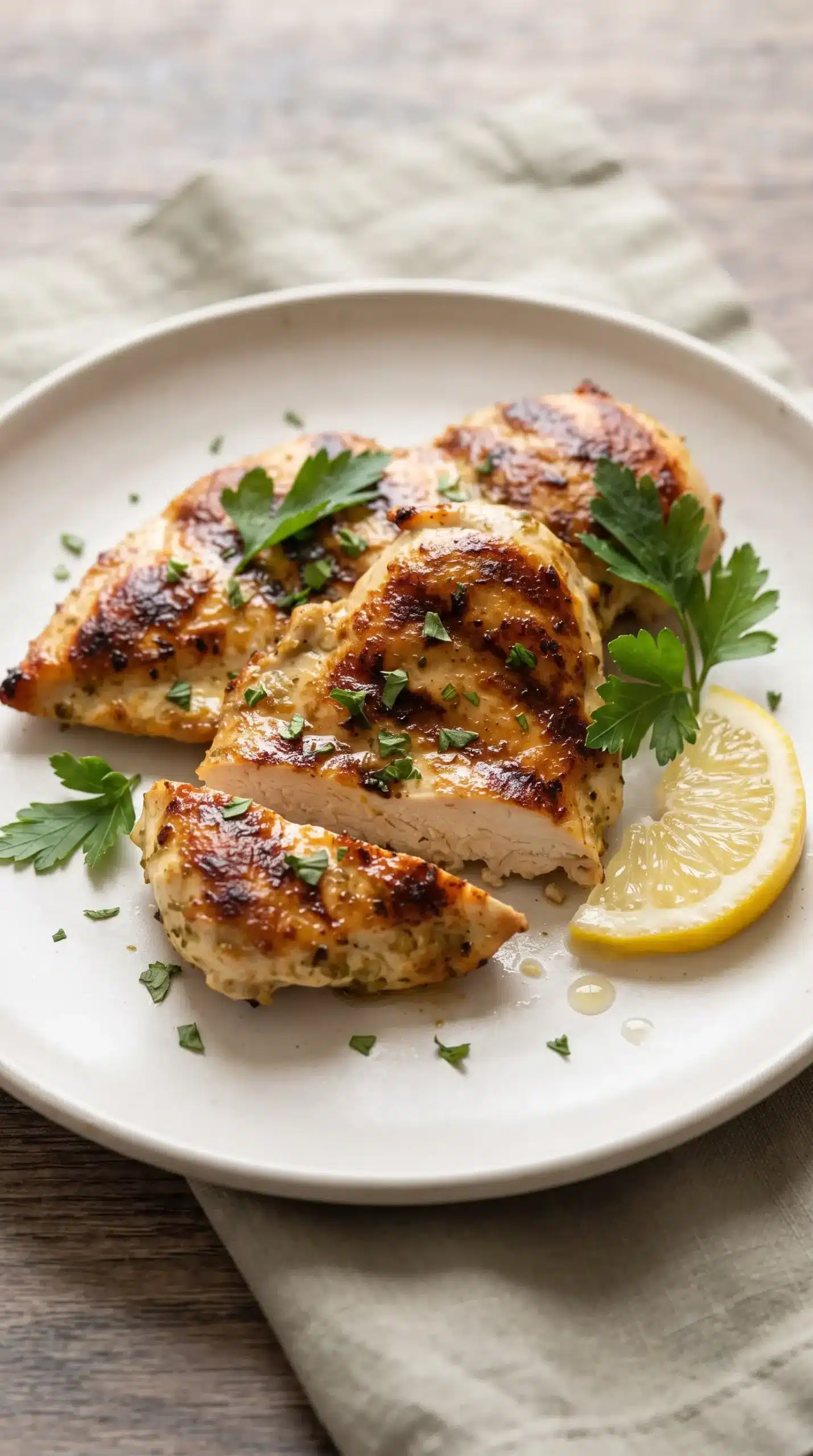
The appeal of yogurt marinated chicken comes from the contrast between the creamy marinade and the browned exterior created during cooking. Honey supports caramelization, while the seasoned yogurt layer transforms into a savory crust when exposed to sufficient heat.
Fresh garlic, parsley, and dried herbs remain connected to the chicken through the yogurt mixture, creating aromatic depth that continues from preparation through the finished plate. The lemon juice adds brightness, while the zest contributes a more concentrated citrus note.
The combination creates a dish with Mediterranean and Middle Eastern influences, where creamy acidity, spice, and char work together. The same flavor structure makes this marinade suitable for both casual meals and more polished dinner presentations.
Flavor Variations Expand the Yogurt Marinated Chicken Style
The marinade provides a flexible base for different flavor directions. A curry version can incorporate yellow curry powder and turmeric for a vibrant South Asian-inspired profile, while a harissa-style variation can replace the paprika and cayenne with harissa paste for smoky North African heat. Boneless, skinless chicken thighs can also replace cutlets when a richer dark-meat texture is preferred.
- Curry direction: Adds warm spice complexity with curry powder and turmeric.
- Harissa approach: Creates smoky heat through a concentrated chili paste.
- Thigh variation: Brings extra richness from darker poultry meat.
Storage Choices Keep Yogurt Marinated Chicken Ready for Later Meals
Proper storage helps preserve the texture and flavor of cooked yogurt marinated chicken. Placing leftovers in an airtight container keeps the chicken ready for salads, quick meals, or reheated servings.
The chilled chicken can be enjoyed cold, where the seasoned yogurt coating remains part of the overall flavor experience. Gentle reheating works best because excessive heat can affect the yogurt solids and change the smooth texture of the coating.
Air frying at 350°F for a few minutes or warming the chicken in a skillet with a small amount of water provides a controlled way to restore warmth without aggressively drying the meat.
Chicken Cut Selection Changes the Yogurt Marinated Chicken Experience
Uniform chicken cutlets create predictable cooking because their thickness allows heat to reach the center at a similar pace. Switching to boneless, skinless thighs changes the result by introducing a richer texture while still pairing naturally with the yogurt marinade.
The Yogurt Marinade Extends Beyond Chicken Preparations
The seasoned yogurt mixture can also complement other proteins. Turkey breast and grilled lamb chops work well with this style of marinade because the creamy, aromatic coating provides a flavorful preparation method beyond poultry cutlets.
Careful Preparation Makes Yogurt Marinated Chicken Consistently Reliable
Successful preparation comes from respecting the relationship between the marinade and the cooking process. The yogurt mixture needs enough time to coat the chicken, while the cooking stage needs enough heat to create browning without losing moisture.
Small details influence the final result, including using lemon zest, selecting full-fat Greek yogurt, allowing the chicken to warm slightly before cooking, and resting the meat after heat exposure. These choices preserve the intended balance of tenderness, seasoning, and crust.
The technique behind a tender yogurt marinated chicken recipe is built on controlled preparation instead of complicated steps. Each component contributes to a finished dish where the chicken remains succulent while carrying a bright, spiced flavor profile.
Yogurt Marinated Chicken Achieves Its Best Texture Through Balanced Control
Yogurt Marinated Chicken reaches its strongest result when the creamy marinade, measured resting period, and high-heat finish work together. The gentle acidity protects tenderness, while the seasoned coating creates the browned surface that defines the dish.
The chicken’s texture depends on keeping those choices aligned from preparation through serving. A properly balanced marinade and careful cooking approach create a reliable way to produce juicy chicken with a flavorful crust.
Questions About Marination and Yogurt Marinated Chicken Results
How long should yogurt marinated chicken rest before cooking?
The chicken should rest in the yogurt mixture for at least one hour, with a longer refrigerated rest allowing the flavors and tenderizing effect to develop more fully. Avoid extending the marinade beyond 24 hours because the texture can become overly soft.
Can I use regular yogurt instead of Greek yogurt?
Greek yogurt is preferred because its thicker consistency helps the marinade cling closely to the chicken and supports better crust formation during cooking. A thinner yogurt may not create the same coating effect.
Why does the yogurt coating become golden during cooking?
The yogurt mixture contains ingredients that support browning, including honey and proteins from the dairy. When exposed to heat, the coating develops deeper color and savory flavor through caramelization and browning reactions.
Can yogurt marinated chicken be reheated without drying out?
Yes. Gentle reheating methods help maintain moisture and protect the yogurt coating. An air fryer at moderate heat or a skillet with a small amount of water can warm the chicken while avoiding a grainy texture.
What makes this marinade different from an oil-only chicken marinade?
The yogurt base provides a thicker coating and introduces gentle lactic acidity, which helps tenderize the outer portion of the chicken. Oil-only marinades do not create the same creamy protective layer or characteristic crust.
Yogurt Marinated Chicken with Greek Yogurt Marinade
Ingredients
Method
- Whisk the Greek yogurt, olive oil, honey, lemon juice, and lemon zest together in a large non-reactive bowl until smooth.
- Stir the grated garlic, chopped parsley, salt, black pepper, paprika, onion powder, dried oregano, dried basil, cayenne pepper, coriander, and cumin into the yogurt mixture.
- Place the chicken cutlets in the marinade and turn each piece until fully coated.
- Cover the bowl and refrigerate the marinated chicken for at least 1 hour and up to 24 hours.
- Remove the chicken from the refrigerator 20 minutes before cooking.
- Bake the chicken on a parchment-lined baking sheet at 400°F / 205°C for 20–25 minutes, air fry the chicken at 375°F / 190°C for 12–15 minutes while flipping halfway, or pan-sear the chicken in a skillet over medium-high heat until browned.
- Check the chicken and remove it from the heat when it reaches an internal temperature of 165°F / 74°C.
- Rest the cooked chicken for 5 minutes before slicing and serving.