Smothered Chicken Recipe with Creamy Pan Sauce and Garlic
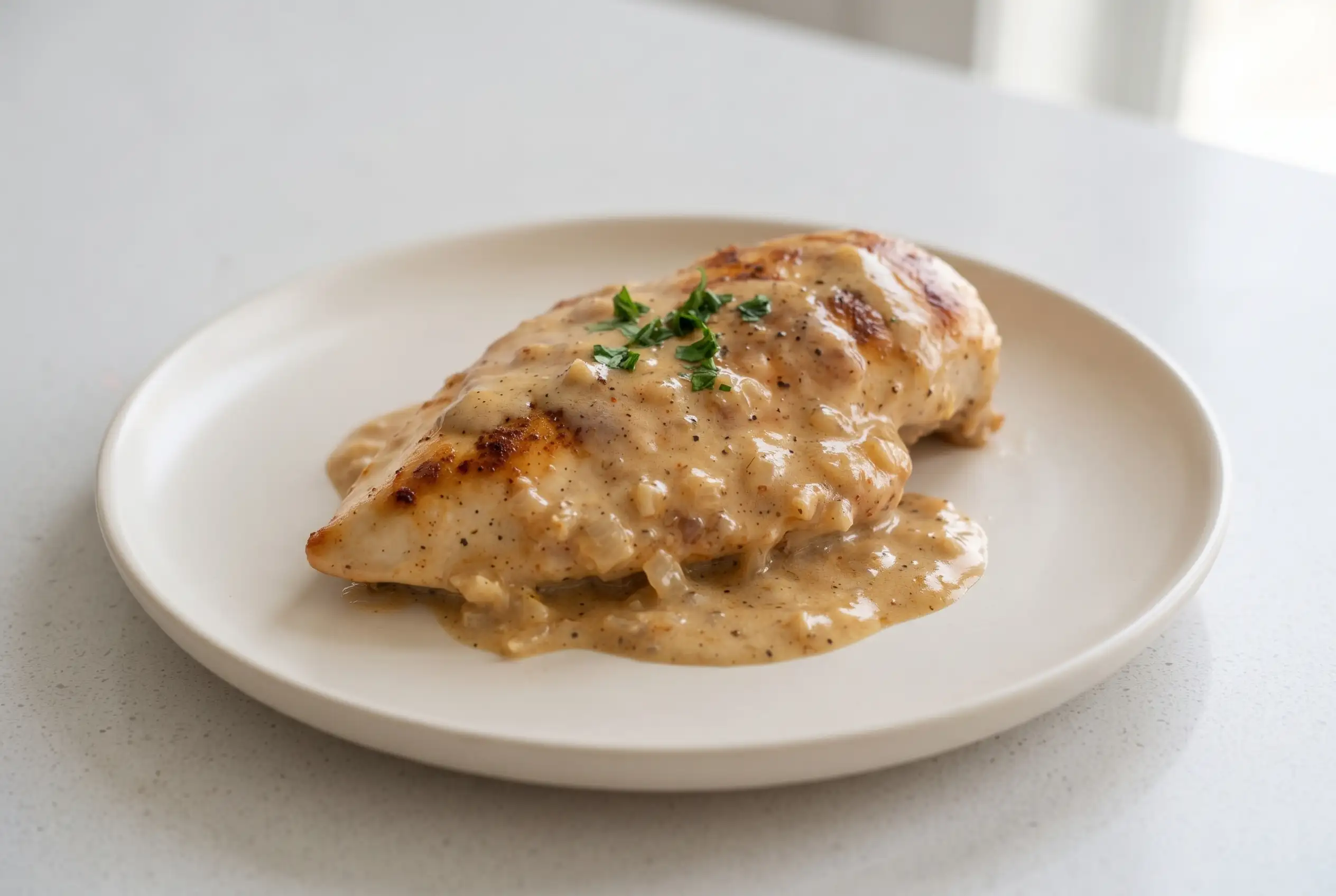
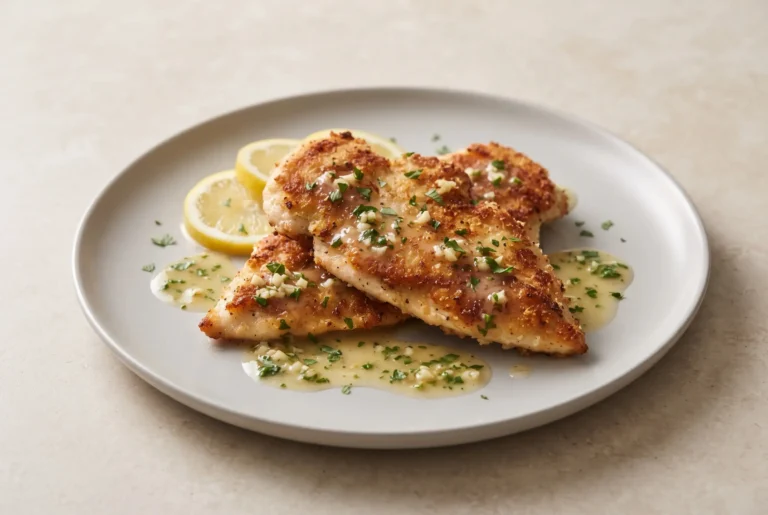
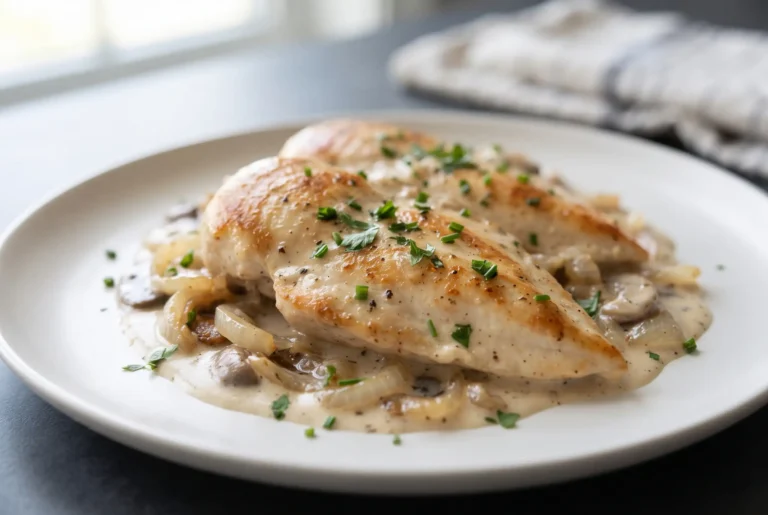
Smothered chicken recipe ideas succeed when a simple sear becomes the foundation for a rich, velvet-textured sauce. Creamy Smothered Chicken uses careful browning, controlled simmering, and a balanced dairy finish to create tender poultry covered in a luxurious pan sauce.
The dish brings restaurant-style technique into a practical skillet preparation. The browned surface of the chicken, the concentrated broth, and the gently incorporated cream work together to create chicken with creamy sauce that feels comforting while still relying on precise cooking choices.
Creamy Sauce Foundations Depend on Balanced Ingredients
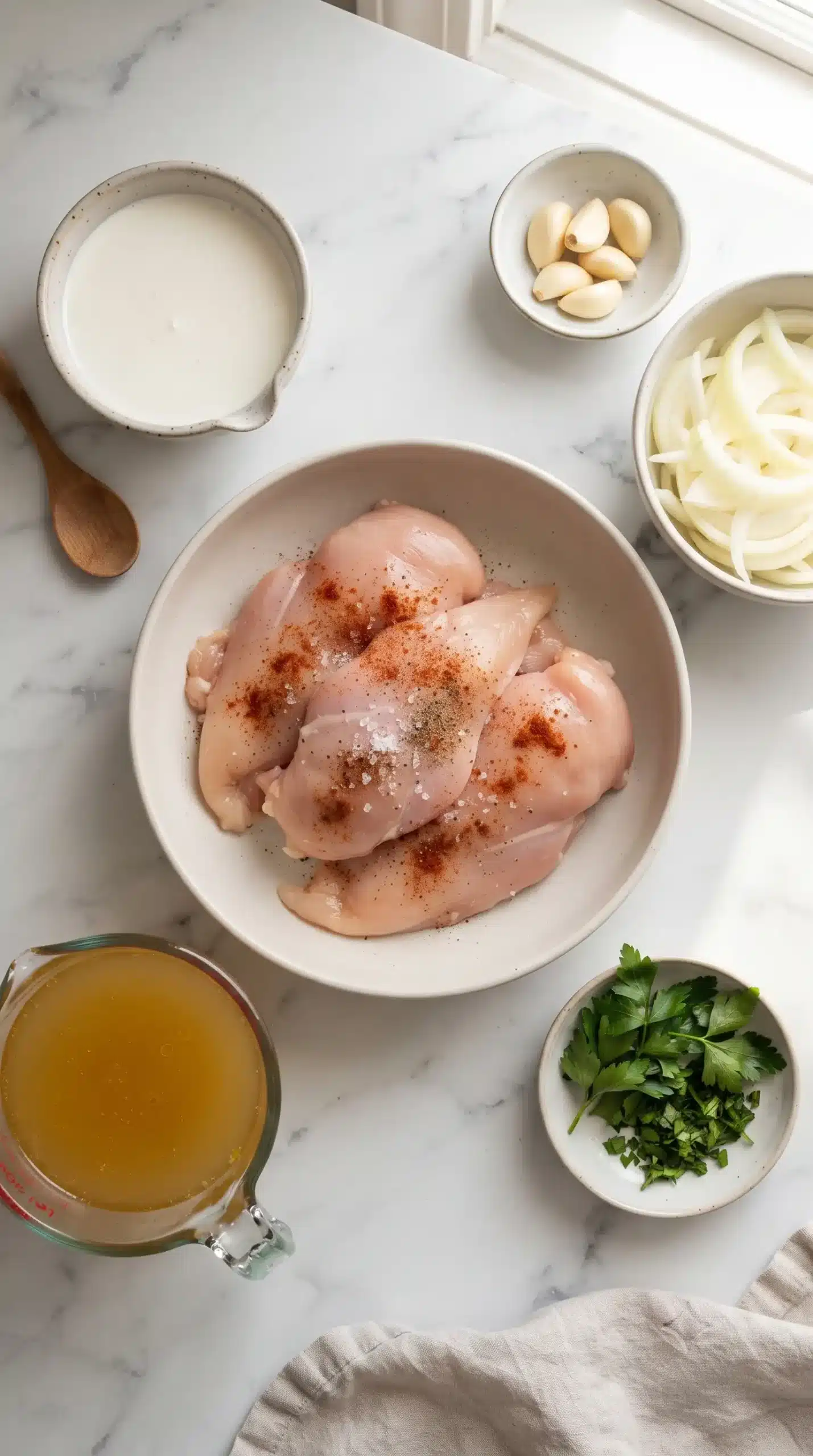
The character of creamy smothered chicken comes from how a few core components interact during cooking. Heavy cream creates the smooth body of the sauce, while low-sodium chicken broth provides the savory liquid base that carries the flavors developed in the skillet.
Seasoned chicken breasts provide the main structure of the meal. Smoked paprika, sea salt, and black pepper prepare the surface for browning, allowing the poultry to develop a deeper exterior before it returns to the sauce.
Onion and garlic establish the aromatic layer after the chicken is removed from the pan. Their placement in the same skillet allows the browned pieces left behind from searing to become part of the sauce instead of remaining unused.
Browning Decisions Shape the Chicken Flavor
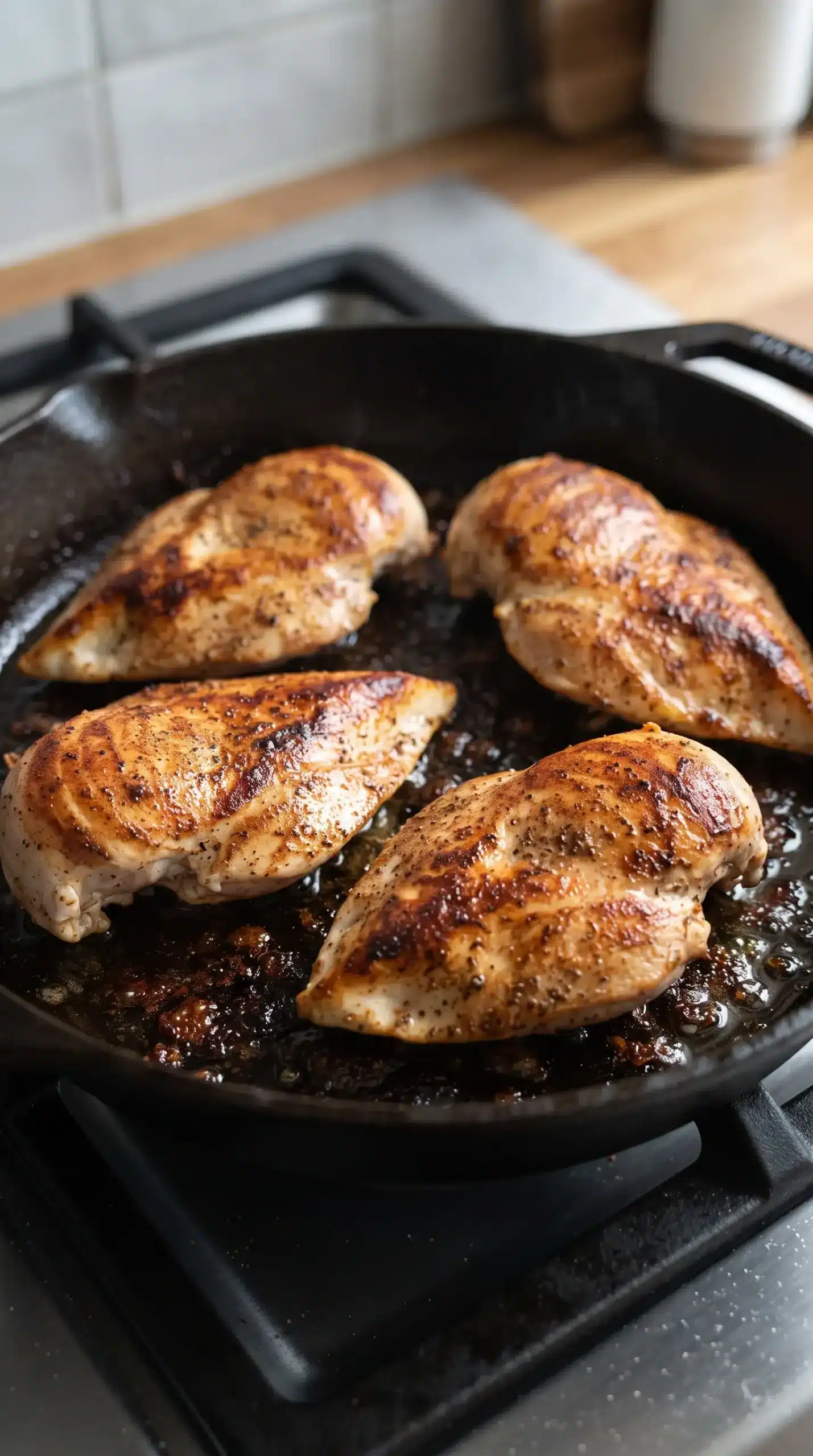
The cooking process behind a successful smothered chicken recipe begins with creating a strong surface crust. A heavy-bottomed skillet helps maintain steady heat, giving the chicken enough contact time to develop a deep golden-brown exterior.
The golden crust develops through Maillard browning reactions, where heat transforms proteins and sugars into the complex flavors associated with well-seared meats.
That initial sear creates the foundation for the finished flavor because the browned proteins and caramelized pieces left in the pan become valuable sauce material. The same skillet later holds the broth and cream, connecting the separate cooking stages into one finished dish.
Temperature control continues after the crust forms. Returning the chicken to a gentle sauce environment allows the meat to finish cooking while avoiding the harsh heat that can damage the texture of a creamy dairy-based preparation.
Pan Deglazing Turns Fond into Sauce Depth
Deglazing transforms the skillet surface into a concentrated flavor source by loosening the browned fond with chicken broth. Scraping those caramelized pieces during the onion and garlic stage builds a savory base that gives the sauce its depth, much like the pan sauce development found in chicken in white wine sauce preparations.
Smothered Chicken Recipe Avoids Common Sauce and Texture Mistakes
A few common errors can change the character of a smothered chicken recipe. Adding dairy at the wrong temperature or using excessive heat can affect the smooth texture that defines the finished sauce.
Successful preparation depends on recognizing these problems early:
- Broken cream sauce: Avoid boiling the dairy mixture aggressively because high heat can cause the emulsion to separate. Keep the sauce at a gentle simmer after the cream is added.
- Pale chicken surface: Crowding the pan or using insufficient heat can prevent the deep golden crust needed for the sauce foundation. Allow the chicken to sear properly before removing it.
- Thin sauce texture: If the sauce does not coat the back of a spoon, continued simmering without a lid allows moisture to reduce and concentrates the finished consistency.
Small adjustments during cooking protect the balance between tender chicken and a smooth sauce. These details are what separate an easy smothered chicken recipe from a basic skillet meal.
Rice Pairing Completes the Creamy Plate
Steamed long-grain white rice provides a neutral base that absorbs the cream sauce while keeping the focus on the seasoned chicken. The grains create a practical serving partner for the rich skillet finish.
Braising Conditions Protect Tender Chicken Texture
The finishing stage relies on a controlled braising environment where the chicken rests partially submerged in the sauce. Gentle simmering allows the broth and cream mixture to surround the poultry while maintaining moisture.
Unlike high-heat cooking methods that continue drying the surface, a covered skillet creates a protected environment for the chicken to finish. The sauce also gains additional flavor as the chicken juices combine with the creamy base.
Monitoring the internal temperature remains an important part of the process. The chicken should reach 165°F (74°C), creating a safe and properly cooked result while preserving the delicate texture of the breast meat.
Creamy Smothered Chicken Variations Adjust the Finished Dish
Several variations can change the character of creamy smothered chicken while keeping the same skillet technique. Bone-in, skin-on thighs create a juicier option with a deeper flavor profile, though they require additional cooking time.
- Mushroom addition: Cremini mushrooms can be added during the onion sauté stage to introduce earthy notes that complement the sauce.
- Spinach finish: Fresh baby spinach can be stirred in near the end of simmering to add color and a different texture.
Storage Choices Preserve the Cream Sauce
Leftover creamy smothered chicken requires careful handling because dairy-based sauces can change texture after cooling. Place leftovers in a shallow, airtight container within two hours of cooking to maintain quality.
The dish can be frozen for up to three months, although the cream sauce may separate slightly after thawing. Whisking in a small amount of fresh cream during reheating can help restore a smoother consistency.
Proper storage keeps the chicken and sauce ready for another serving while reducing unnecessary texture changes. Keeping the components protected from air also helps preserve the flavor developed during the original skillet cooking.
Reheating Smothered Chicken Keeps the Emulsion Smooth
Gentle stovetop reheating works best for preserving the sauce texture. Adding a small splash of chicken broth or water loosens the mixture as it warms, while avoiding intense microwave heat helps prevent separation and a rubbery chicken texture.
Serving Details Highlight the Finished Sauce
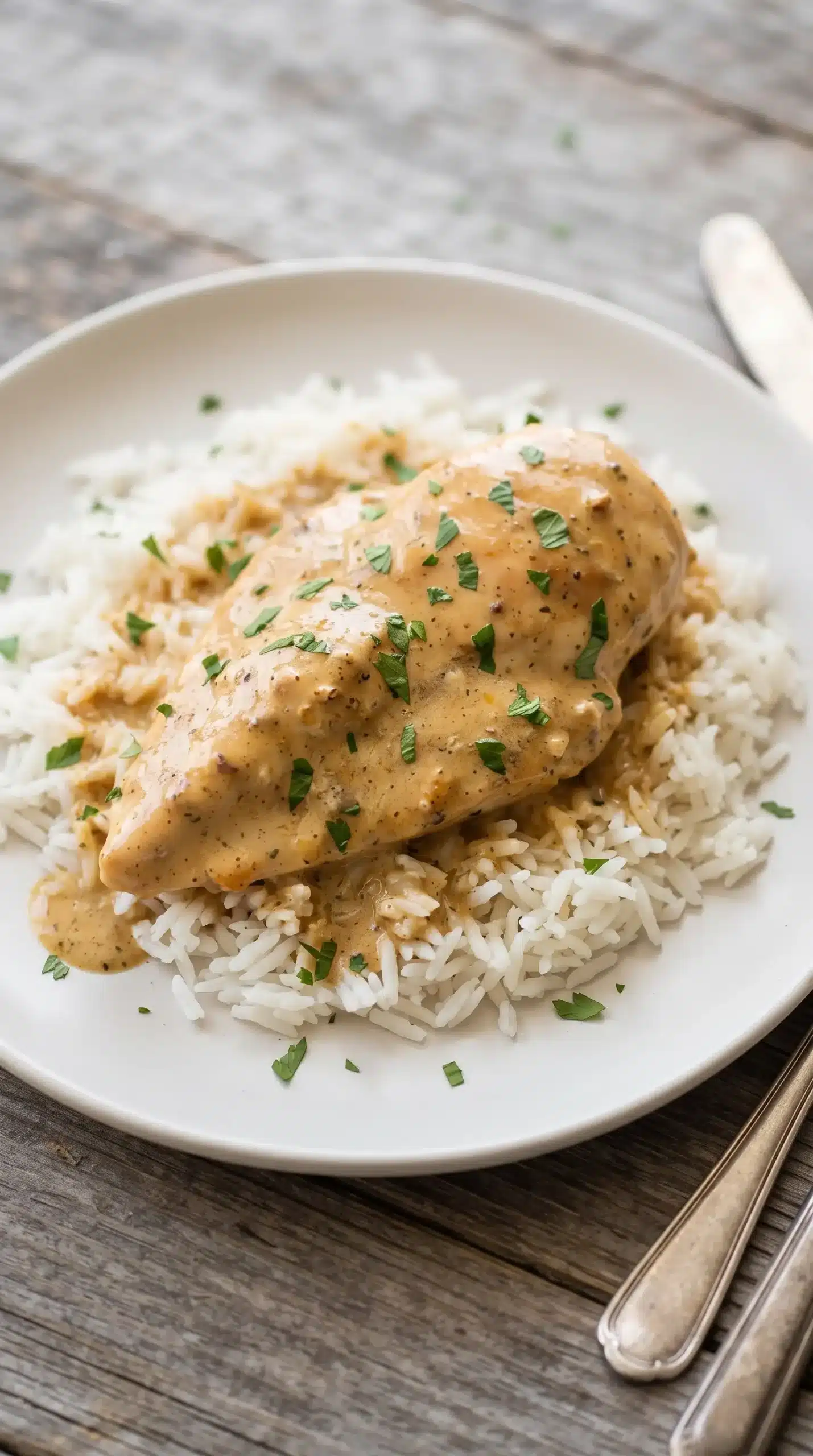
Fresh flat-leaf parsley adds a bright finishing touch that contrasts with the richness of the cream sauce. Spoonfuls of the velvety mixture over rice allow each serving to combine tender chicken, savory sauce, and the aromatic elements from the skillet.
Sauce Consistency Shows When Smothered Chicken Is Ready
A properly finished sauce has a coating texture that clings to the chicken and rice instead of flowing like a thin broth. The reduction stage determines this balance by concentrating the flavors before the cream is fully incorporated.
The spoon test provides a simple visual guide. When sauce covers the spoon and a clean line remains after a finger passes across the back, the consistency has reached the desired thickness.
Adjustments should focus on preserving the sauce structure. Gentle simmering can increase thickness, while sudden high heat can interfere with the smooth cream emulsion that defines the dish.
Smothered Chicken Recipe Delivers Comfort Through Technique
The browned chicken, concentrated pan flavors, and carefully controlled cream sauce create the defining identity of a smothered chicken recipe. Each stage contributes to a finished skillet where texture depends on decisions made from searing through braising.
Creamy Smothered Chicken shows how temperature control and sauce management can transform familiar ingredients into a polished comfort meal. The most important judgment comes from maintaining the gentle heat that keeps the chicken tender and the sauce unified.
Smothered Chicken Questions About Sauce, Storage, and Preparation
What makes the sauce in creamy smothered chicken smooth?
The smooth texture comes from combining reduced chicken broth with heavy cream while maintaining gentle heat. Careful whisking helps the fat from the cream blend with the broth instead of separating.
How can I thicken the sauce if it stays too thin?
Continue simmering the sauce without the lid so excess moisture can evaporate and the flavors can become more concentrated. A cornstarch mixture made with cold water can also be stirred into the simmering sauce when a quicker adjustment is needed.
Can I use a different cut of chicken for this dish?
Bone-in, skin-on chicken thighs can replace the breasts for a juicier variation. They provide a different texture and require additional cooking time while fitting the same braising approach.
Why should the cream be added at lower heat?
Heavy cream is incorporated after the broth reduction and with reduced heat because intense boiling can damage the emulsion. Gentle cooking helps maintain the creamy texture of the finished sauce.
What is the best way to reheat leftovers without changing the sauce?
Warm leftovers slowly on the stovetop and add a small amount of broth or water if the sauce has thickened too much. This method helps bring back a smooth consistency while protecting the chicken texture.
Smothered Chicken Recipe with Creamy Pan Sauce and Garlic
Ingredients
Method
- Heat the olive oil in a heavy skillet over medium-high heat.
- Season both sides of the chicken breasts with smoked paprika, sea salt, and black pepper.
- Sear the seasoned chicken breasts for 6–7 minutes per side until browned, then transfer them out of the skillet.
- Reduce the heat to medium, add the diced onion to the same skillet, and cook for 3–4 minutes while loosening the browned pan bits.
- Add the minced garlic to the onion and cook for 60 seconds until aromatic.
- Pour in the chicken broth, bring the mixture to a simmer, and reduce the liquid by about one-quarter.
- Lower the heat to medium-low, add the heavy cream, and whisk gently until the sauce is fully combined.
- Place the chicken breasts and any accumulated juices back into the skillet, cover, and simmer gently for 15–20 minutes until the chicken reaches 165°F / 74°C.
- Serve the smothered chicken over steamed long-grain white rice, spoon the cream sauce over the chicken, and finish with chopped parsley.