Lemon Crinkle Cookies with Fresh Lemon Zest and Sugar
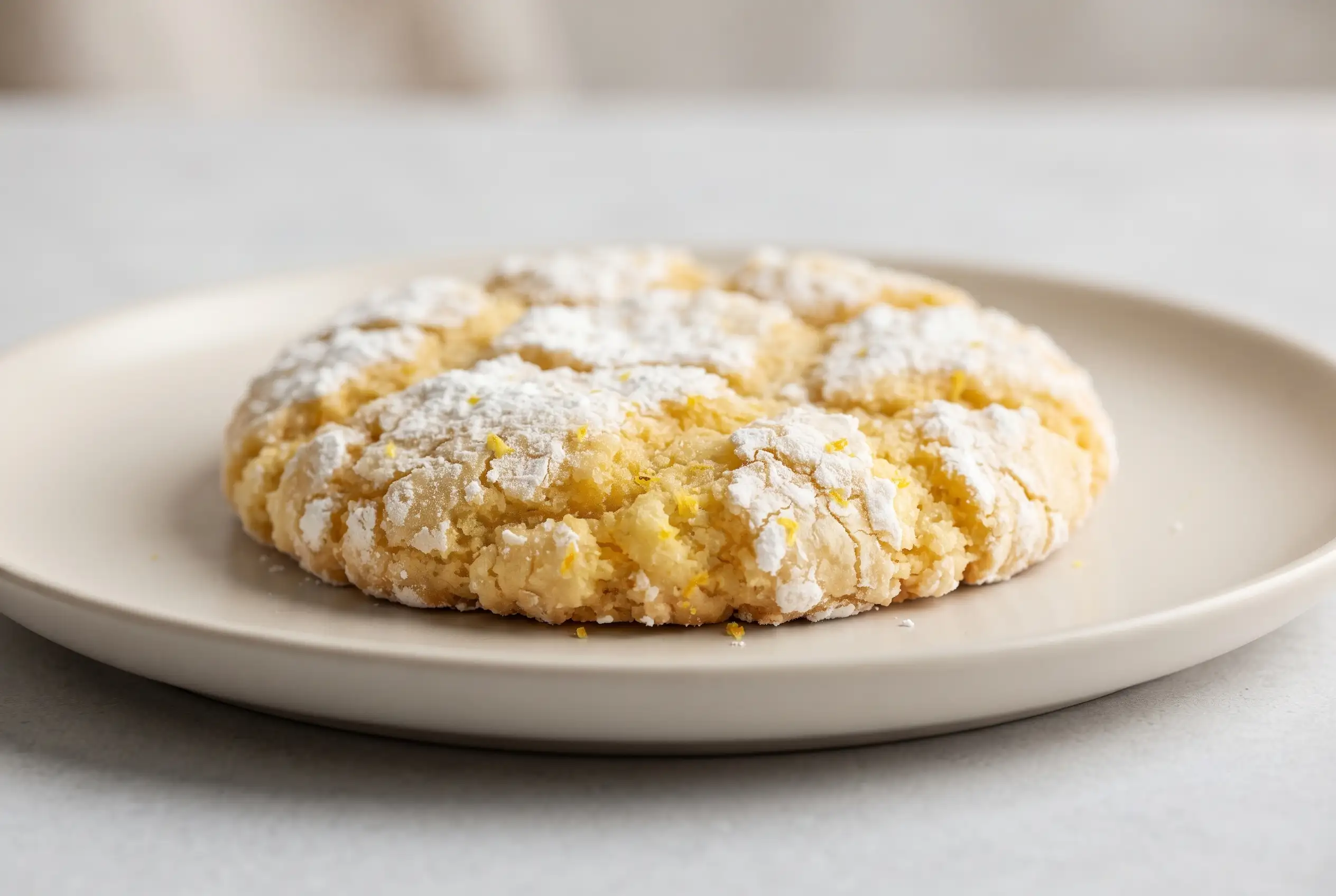
Lemon Crinkle Cookies bring together fresh citrus aroma, a tender center, and a dramatic powdered sugar crackle that makes each cookie visually distinctive. The signature appearance comes from balancing dough temperature, sugar coatings, and oven heat so the surface fractures while the inside remains soft and chewy.
Creating bakery-style lemon cookies with powdered sugar depends on a few deliberate choices. Fresh lemon zest, a properly chilled dough, and a layered sugar coating work together to build a bright flavor profile with a clean white finish.
Lemon Crinkle Cookies Create a Bright Cracked Sugar Finish
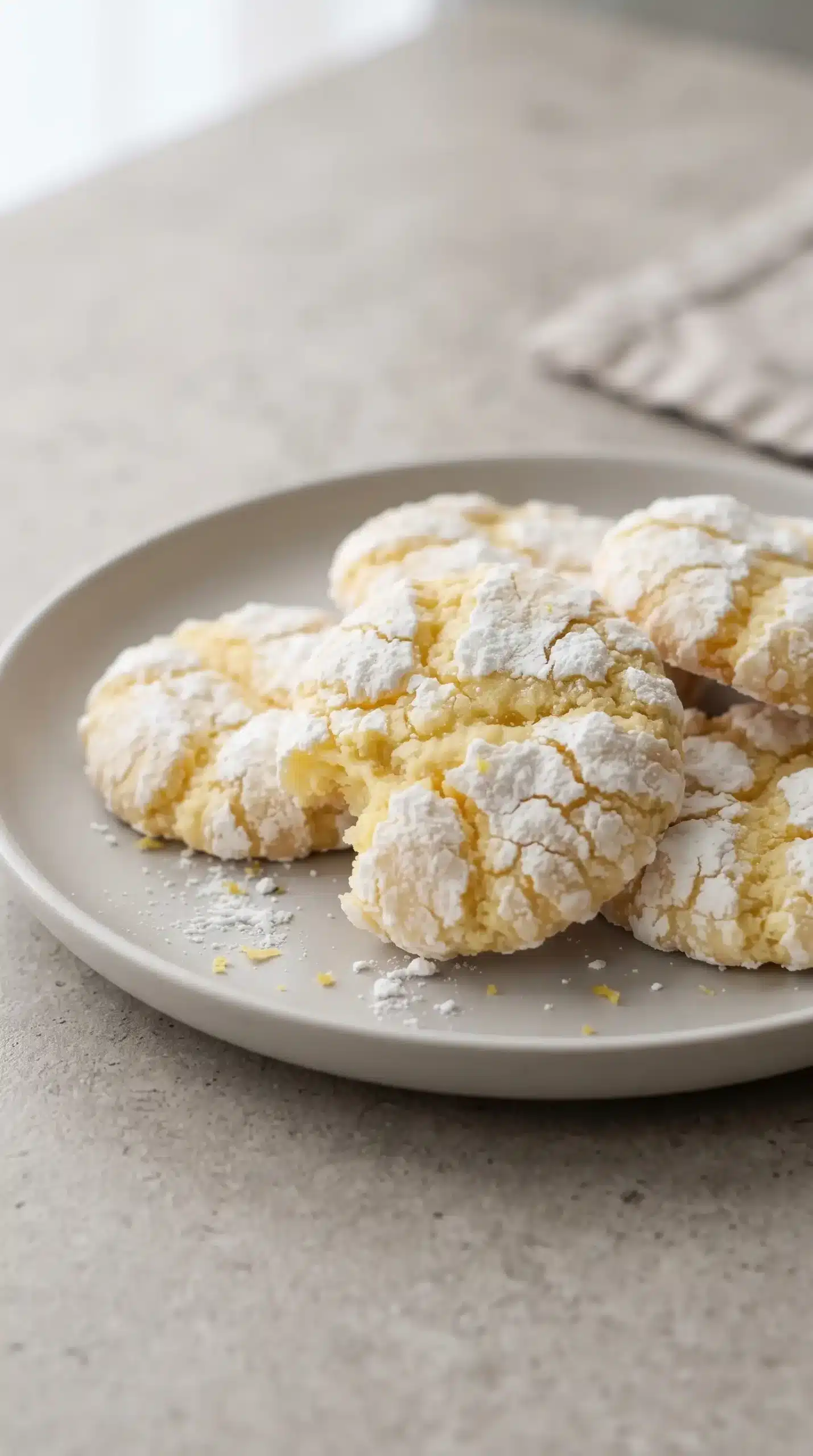
Iconic crinkle patterns develop because the dough expands under heat while the exterior sugar layer resists the movement. As the cookies rise in the oven, the powdered sugar coating separates into the familiar white cracks that define this style of dessert.
Behind the appearance is a careful balance of structure and moisture. The softened butter and sugar mixture creates an aerated base, while the flour mixture provides enough support for the cookies to hold their shape during baking.
During baking, the contrast between the crisp sugar exterior and soft middle becomes the defining texture. The dough is designed to avoid excessive spreading, allowing each cookie to maintain a thick center with a delicate surface.
Fresh Lemon Elements Shape the Cookie Flavor
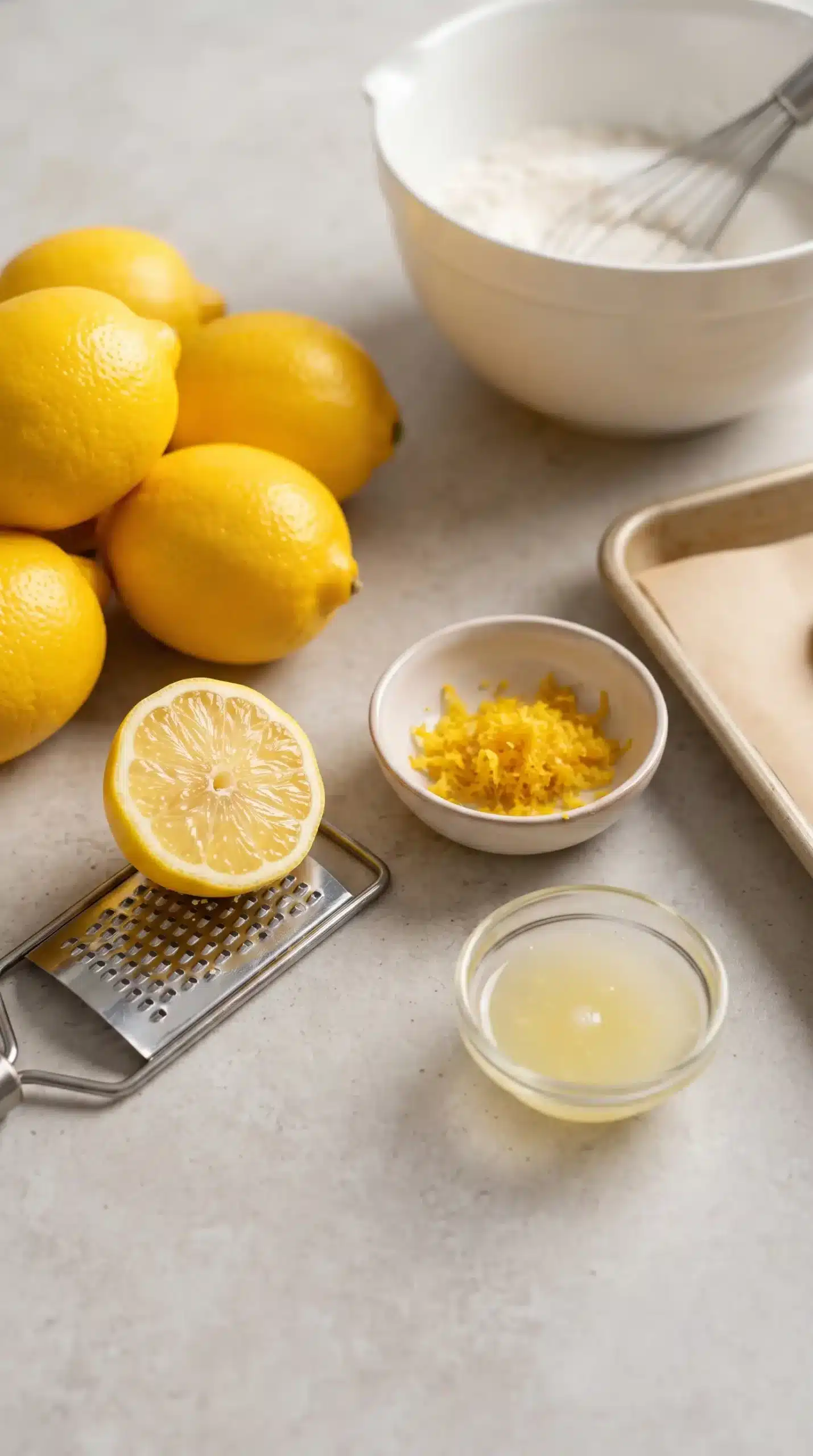
Fresh lemon juice and finely grated zest create the citrus character of these cookies. The zest contains aromatic oils that give the flavor more depth, while the juice adds acidity that works with the baking soda for lift.
Chilled Dough Controls the Signature Crinkle Texture
Chilled dough is one of the most important controls for achieving consistent lemon crinkle cookies recipe results. Refrigeration firms the butter and creates a dough that can be shaped into neat portions before coating.
Once the dough reaches the correct chilled texture, the cookies are easier to handle and less likely to flatten quickly in the oven. This stability gives the sugar coating time to form the cracked pattern during baking.
Properly managing the dough temperature also protects the powdered sugar layer. Warm dough can absorb the coating more quickly, reducing the bright contrast between the white exterior and the yellow citrus interior.
Sugar Coating Decisions Preserve the White Crackle
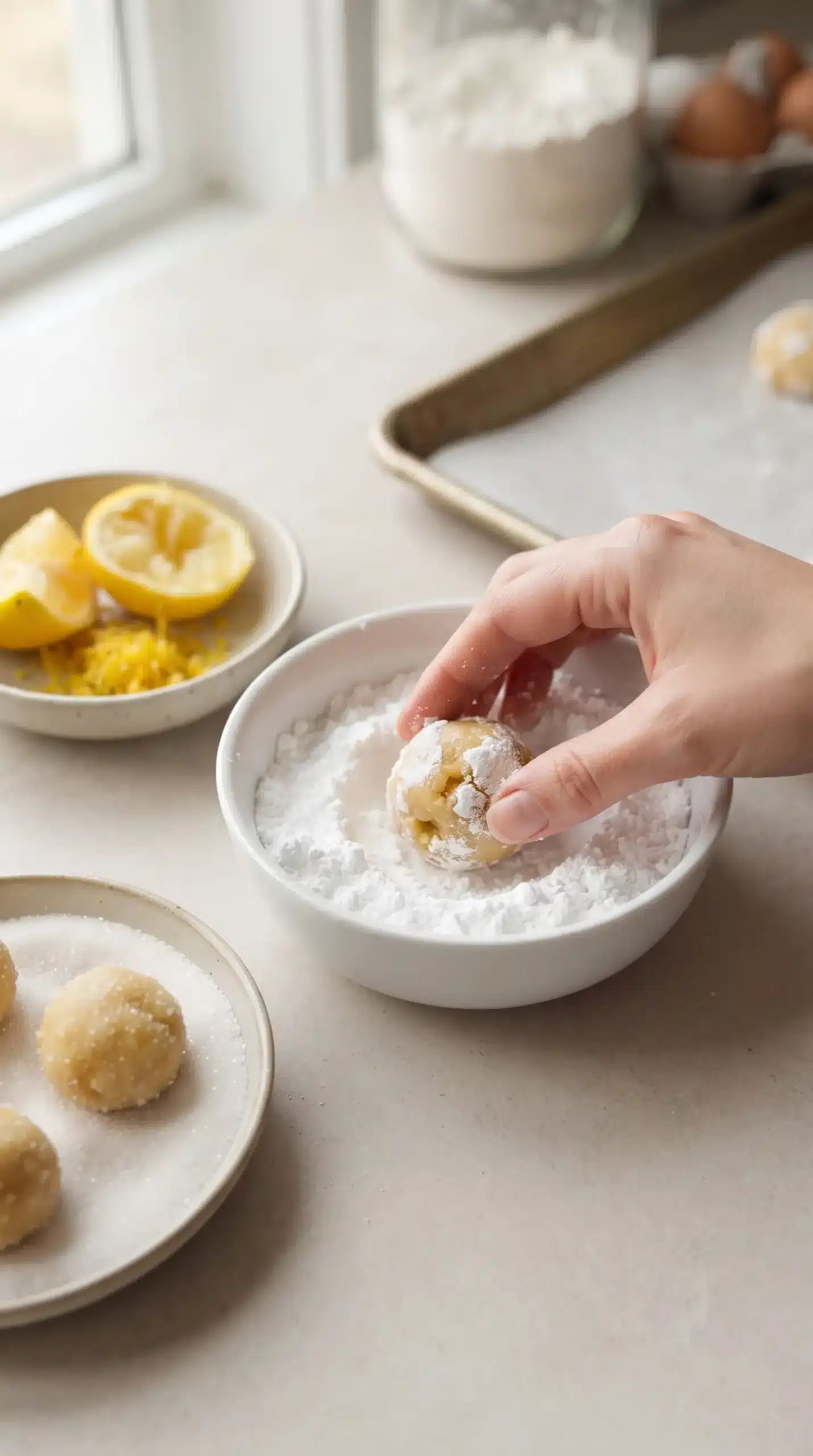
Powdered sugar creates the classic snow-covered appearance, but the first coating of granulated sugar helps maintain that finish. The two layers work together by creating a protective surface before the cookies enter the heat of the oven.
| Coating stage | Purpose | Visible result |
|---|---|---|
| Granulated sugar layer | Creates a barrier between dough moisture and powdered sugar | Powdered sugar stays brighter |
| Powdered sugar layer | Builds the outer crackle surface | White fractured pattern after baking |
| Oven expansion | Splits the coated surface as the dough rises | Distinct crinkle lines across each cookie |
Baking Controls Keep Soft Lemon Crinkle Cookies Balanced
Oven temperature plays a major role in preserving the intended texture. A properly heated oven allows the outside to set while the center remains tender, creating soft lemon crinkle cookies with a satisfying contrast.
Careful baking observation matters more than color changes alone. These cookies should keep a light appearance, with edges that have set while the centers still look soft enough to finish firming as they cool.
Bakers who watch the surface closely can protect the chewy interior. Excessive browning changes the texture balance and removes the delicate quality that makes these citrus cookies distinctive.
Common Lemon Crinkle Cookies Mistakes That Affect the Crackle
Several problems can reduce the signature look of lemon crinkle cookies. Skipping the chilling stage is one of the most common issues because warm dough spreads too quickly and prevents the sugar crust from breaking into clear patterns.
Warm kitchens can also create handling problems. Keeping unused dough chilled while working with the first portion helps maintain a firm texture and allows each cookie to hold the coating effectively.
Another mistake is applying too little powdered sugar before baking. The dough balls should have a generous white coating so the finished surface has enough sugar contrast to create the recognizable crackle effect.
- Zest first: Remove the lemon zest before extracting juice so the fragrant outer peel is available without working around a cut lemon.
- Mix gently: Combine dry ingredients only until incorporated to maintain a tender cookie structure.
- Coat generously: Use enough powdered sugar to create a visible snowy layer before baking.
Serving Ideas for Lemon Cookies with Powdered Sugar
Simple presentation highlights the bright surface of lemon cookies with powdered sugar. The white crackle pattern provides enough visual appeal for dessert trays, seasonal gatherings, or everyday treats without requiring additional decoration.
Storage Choices Protect the Finished Cookie Surface
Proper storage helps maintain the contrast between the crisp sugar coating and soft interior. An airtight container keeps the cookies fresh while protecting the powdered sugar finish from excess moisture.
Frozen dough portions provide another option for future baking. Rolled dough balls can be stored frozen and baked later, with additional oven time needed to account for the colder starting temperature.
Room temperature serving preserves the intended texture because reheating can affect the delicate sugar coating. Keeping the finished cookies protected from humidity helps the white surface remain attractive.
| Storage choice | Best use | Surface protection |
|---|---|---|
| Airtight container | Keeping baked cookies ready to enjoy | Limits moisture exposure |
| Frozen dough balls | Preparing future batches | Maintains shaped dough portions |
| Room temperature serving | Enjoying the baked texture | Preserves sugar coating appearance |
Creative Variations Expand the Citrus Profile
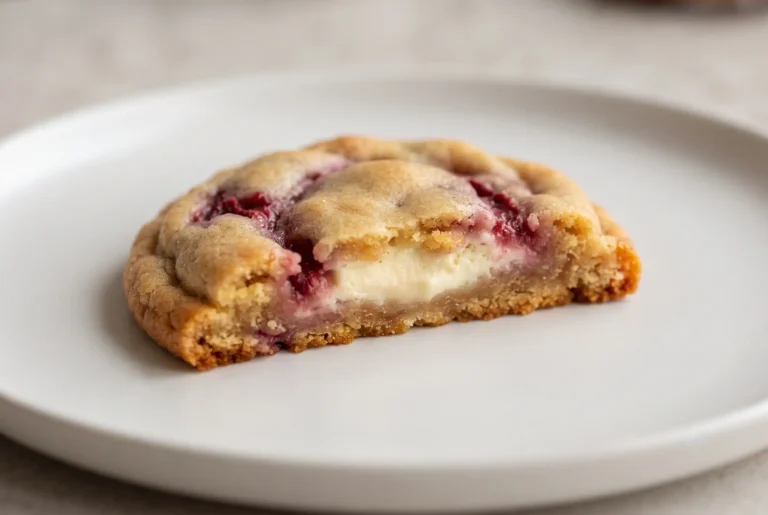
Seasonal variations can adjust the flavor while keeping the same cookie structure. A blend of lemon, lime, and orange zest creates a broader citrus profile, while mini white chocolate chips add a creamy contrast when folded into the dough. Fresh berries can introduce a bright fruit accent through lemon raspberry cookies that combine citrus aroma with a soft baked texture.
Presentation Details Highlight the Cookie Design
Presentation works best when the crinkle surface remains visible. Arranging the cookies with their powdered sugar coating facing upward emphasizes the contrast between the bright exterior and the soft citrus center.
Lemon Crinkle Cookies Bring Together Technique and Flavor
Lemon cookies achieve their strongest result when the dough temperature, citrus balance, and sugar coating are handled with precision. The chilled structure supports the crackled surface, while fresh lemon ingredients keep the flavor vibrant.
The combination of a tender middle and snowy exterior makes these cookies a dependable citrus dessert. Each technique contributes to the finished appearance and texture without relying on complicated decoration.
Crinkle Problems and Lemon Cookie Questions
Why did my cookies spread instead of forming cracks?
Chilling is usually the key factor when the cookies spread too much. Dough that is not firm enough before baking can lose the structure needed for the sugar coating to fracture properly.
Can I use bottled lemon juice for the dough?
Fresh lemon juice provides a brighter citrus character because it pairs with the aromatic oils from fresh zest. Bottled juice may work, but it will not provide the same fresh flavor impact.
How can I make the yellow color more noticeable?
Adding one or two drops of yellow food coloring during the emulsion stage increases the visual brightness while keeping the cookie structure unchanged.
Why does the powdered sugar disappear after baking?
The powdered sugar can lose its bright appearance when dough moisture reaches the coating. Rolling first in granulated sugar helps create a barrier that keeps the outer layer more visible.
Lemon Crinkle Cookies with Fresh Lemon Zest and Sugar
Ingredients
Method
- Beat the softened butter and granulated sugar together with a paddle attachment on medium-high speed for 3–5 minutes until the mixture becomes light and airy.
- Mix the egg, fresh lemon juice, lemon zest, vanilla extract, and optional yellow food coloring into the butter mixture until evenly combined.
- In a separate bowl, whisk together the sifted flour, baking soda, and sea salt.
- Add the dry mixture gradually to the wet mixture on low speed and mix just until the dough comes together. Cover the dough and refrigerate for at least 2 hours.
- Preheat the oven to 350°F / 175°C and prepare baking sheets with parchment paper.
- Scoop the chilled dough into 1-inch balls. Roll each dough ball in the granulated sugar coating, then cover generously with the powdered sugar coating.
- Place the coated dough balls on the prepared baking sheets, spacing them about 2 inches apart, and bake for 10–12 minutes until the edges are set while the centers stay soft.
- Allow the cookies to cool completely on the baking sheet before serving.