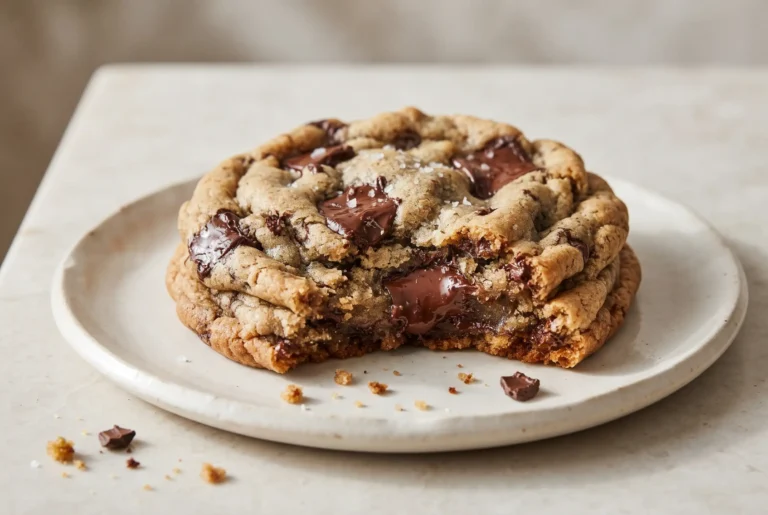
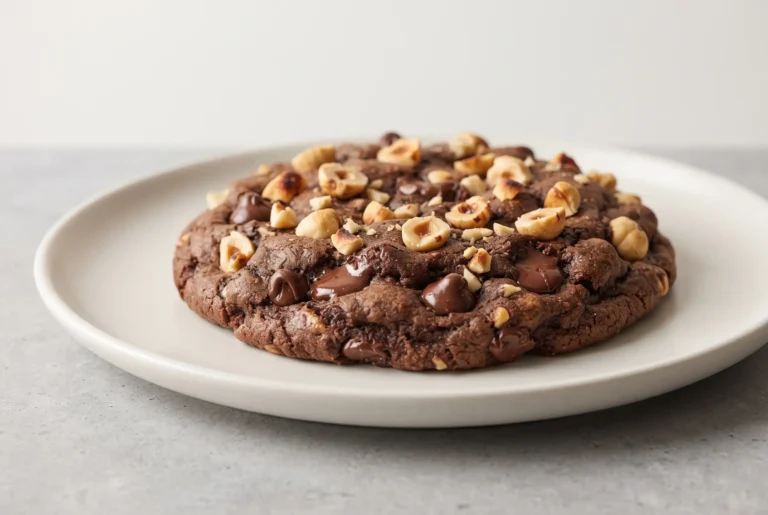
Lemon Raspberry Cookies with Frozen Raspberries Recipe
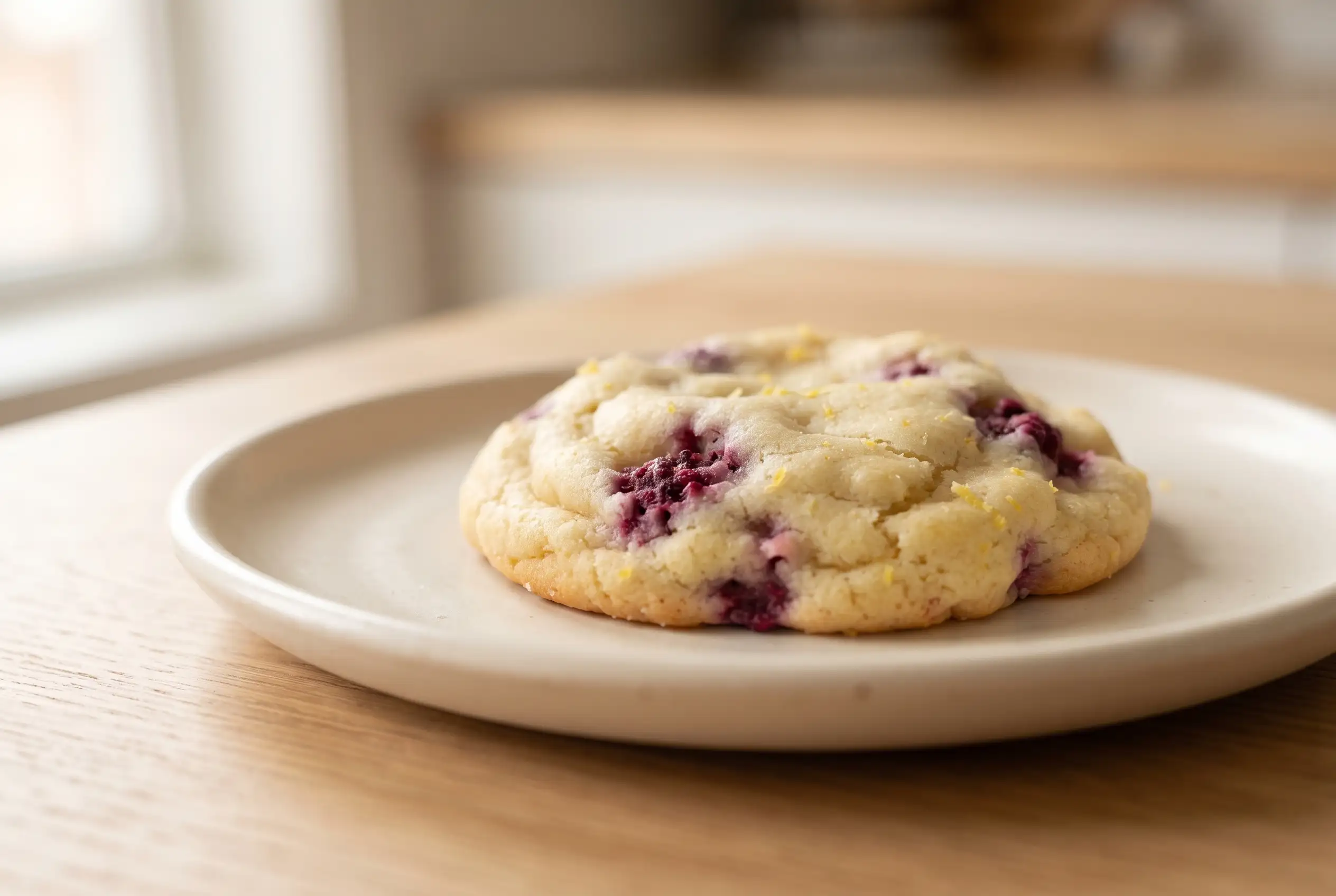
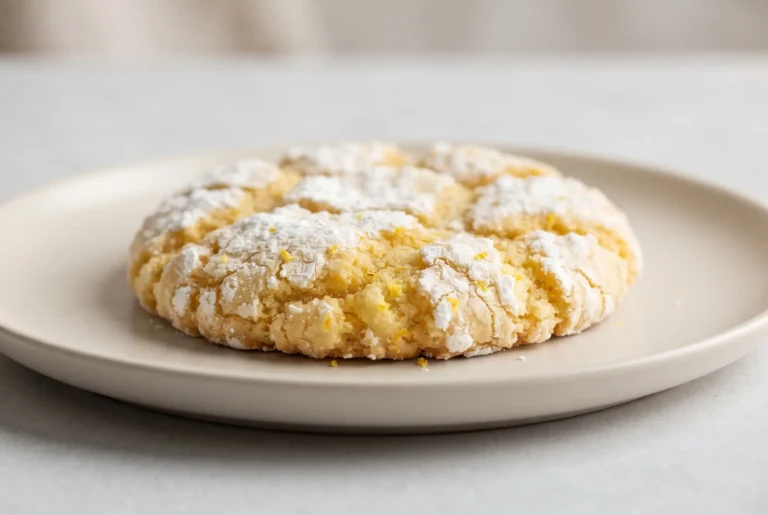
Lemon raspberry cookies combine bright citrus aroma with bursts of frozen raspberries in a soft, buttery cookie. This lemon raspberry cookie recipe uses lemon zest infused into sugar, careful dough handling, and frozen fruit folding to create a balanced cookie with defined edges and a tender center.
Lemon Raspberry Cookies Begin with Citrus-Berry Balance
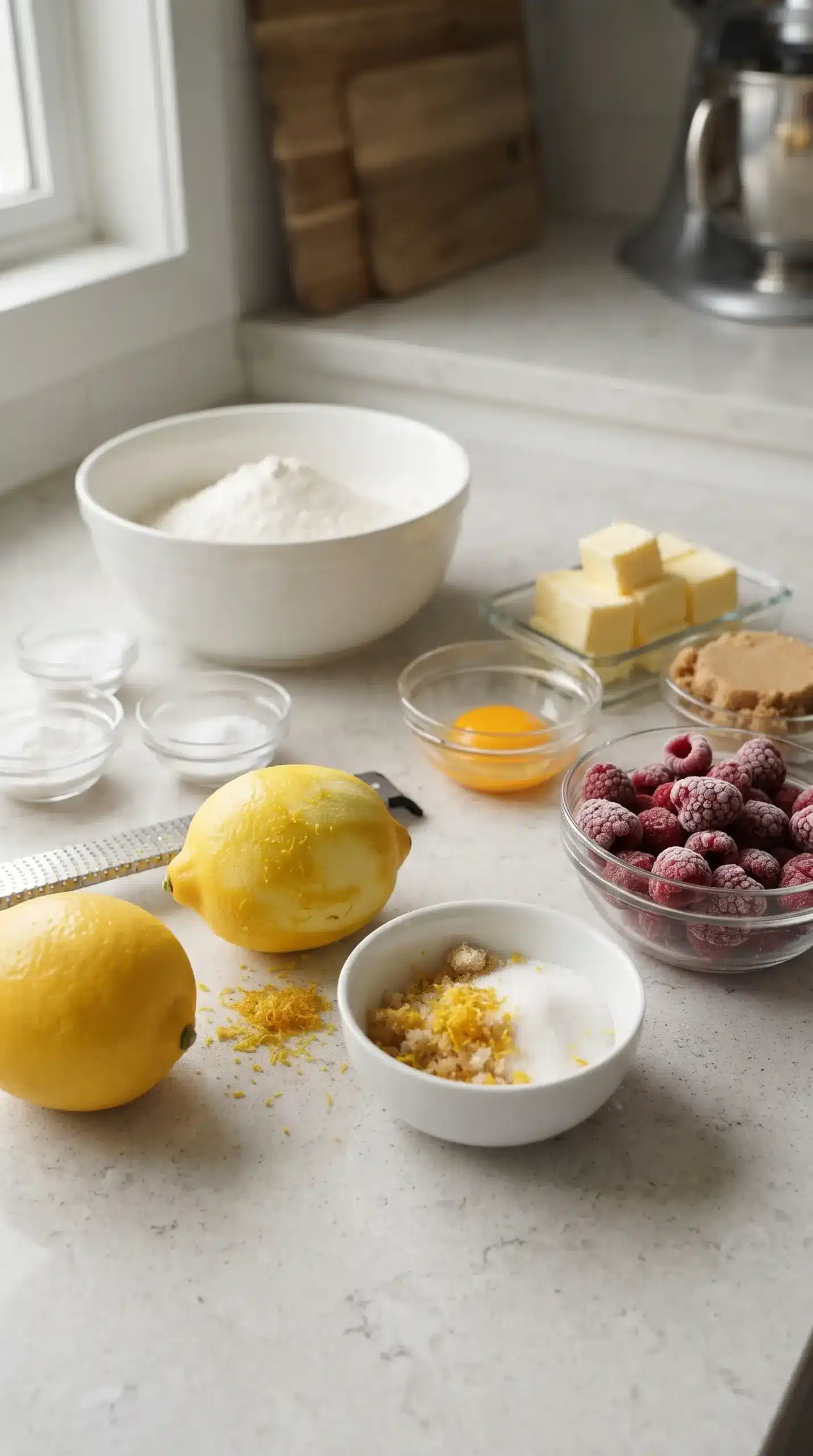
The character of lemon raspberry cookies comes from controlling two strong flavors at once. Lemon zest provides aromatic oils, while raspberries contribute tart fruit notes and moisture. Keeping those elements balanced creates a cookie where the citrus remains clear and the berries stay distinct.
The dough relies on softened butter, brown sugar, and egg yolk to build a soft-chew texture. Chopped frozen raspberries are incorporated at the end so the fruit stays concentrated instead of spreading excess moisture through the dough.
The Lemon Zest Infusion Shapes the Cookie Flavor
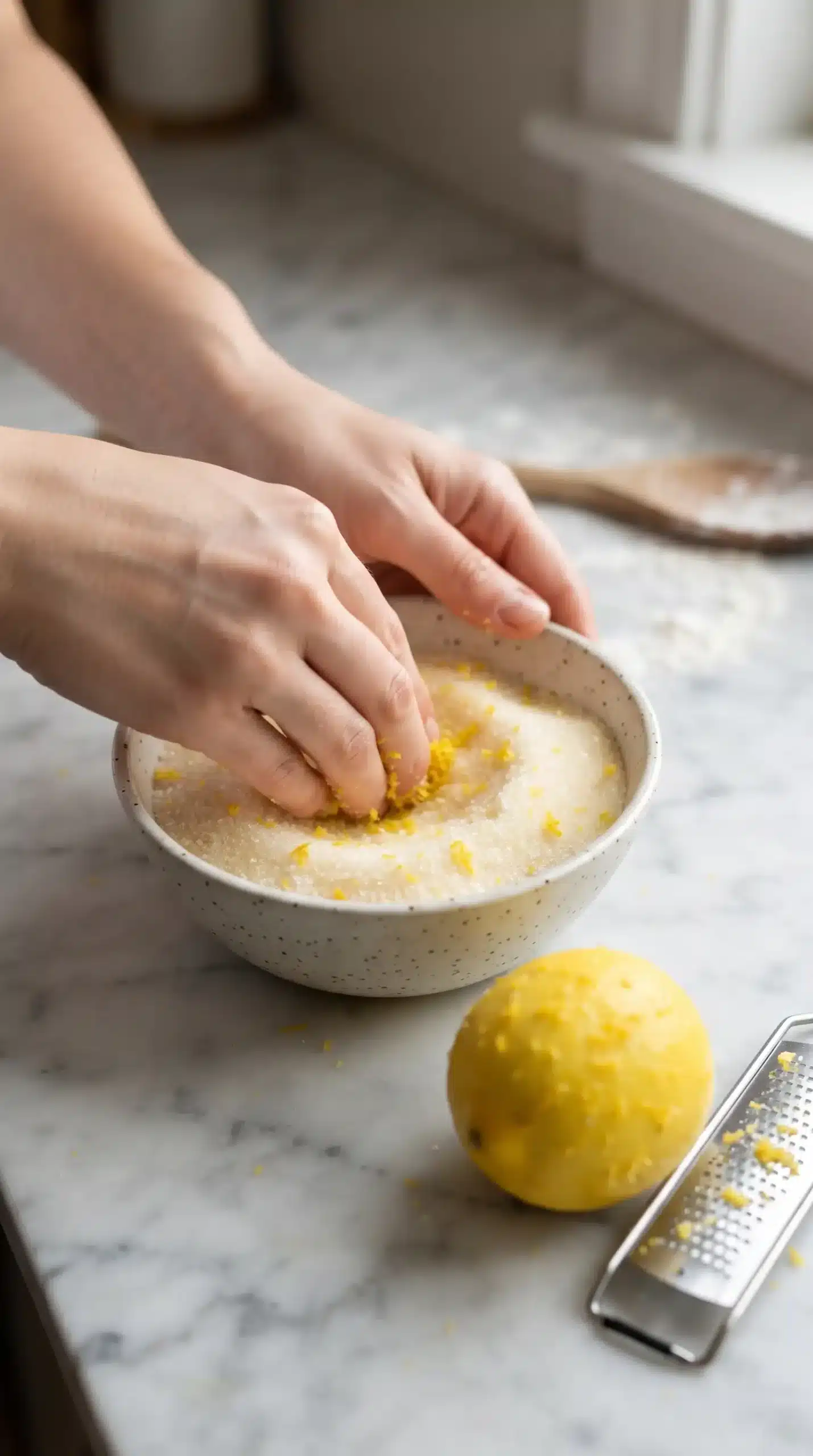
Rubbing lemon zest into granulated sugar releases the oils from the peel before mixing begins. This step distributes citrus aroma throughout the dough and creates a deeper lemon profile than adding juice alone. Only the yellow outer layer of the lemon should be used because the white pith can add bitterness, a technique that is central to a lemon zest infusion.
Frozen Raspberries Protect the Cookie Texture
Frozen raspberries are the key handling choice for this cookie style. Their firm texture helps the dough set before the fruit releases moisture during baking.
The freezing process affects fruit structure because small ice crystals preserve texture more effectively than larger crystals that can damage cell structure. This helps explain why frozen raspberries remain easier to handle when folded into cookie dough.
Fresh raspberries can work when they are very firm, but softer berries are more likely to break apart and affect the cookie color. Frozen fruit helps maintain the contrast between a pale cookie base and visible berry pieces.
Careful folding also matters because raspberries are fragile. Mixing them too aggressively can crush the fruit and create unwanted color changes throughout the dough.
Lemon Raspberry Cookies Need Controlled Dough Handling
Flour incorporation determines the final texture. The dry ingredients should be mixed only until the flour disappears, preventing unnecessary gluten development.
Uniform dough portions help the cookies bake at the same rate. The centers should remain slightly soft when removed from the oven because they continue setting while resting on the hot baking sheet.
The combination of butter, egg yolk, and balanced sugars creates the soft structure associated with these lemon raspberry cookies.
Baking Decisions Create Defined Edges and Soft Centers
The cookies develop their best texture when the edges become lightly golden while the centers remain tender. A short rest after baking allows the internal structure to finish forming without losing moisture.
Common Lemon Raspberry Cookies Mistakes to Avoid
Using thawed raspberries can create problems because released liquid may spread into the dough and change the appearance. Keeping berries frozen until folding helps prevent this issue.
Overmixing after adding the fruit can crush raspberry pieces and produce uneven coloring. Gentle folds are enough to distribute the berries.
Cold butter can also affect the dough because it will not combine properly with the infused sugar. Fully softened butter supports the intended texture and mixing process.
Serving Details Keep Berry Flavor Clear
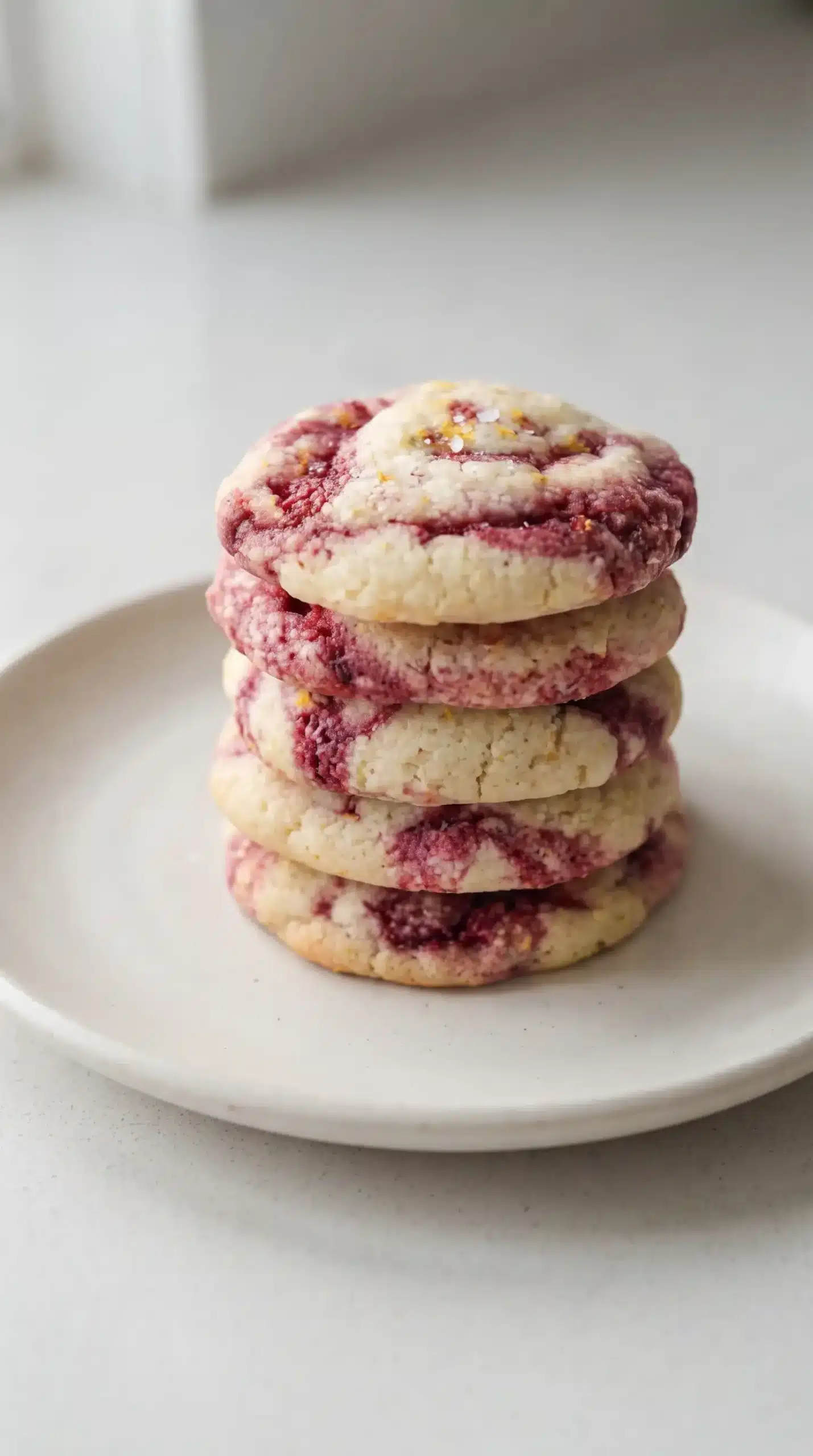
A light sprinkle of flaked sea salt adds contrast to the sweet citrus and berry flavors. The cookies can be served once set, with the raspberry pieces remaining visible through the soft crumb.
Variations Change the Citrus and Berry Profile
White chocolate chips can be folded into the dough to add creamy sweetness alongside the lemon and raspberry combination.
Frozen wild blueberries can replace raspberries for a different fruit direction while keeping the berry-based cookie style.
A blend of Meyer lemon and lime zest creates a more complex citrus variation while maintaining the same infusion approach.
Storage Choices Preserve Lemon Raspberry Cookies Quality
Store lemon raspberry cookies in an airtight container in a single layer because the fruit moisture can affect texture. They can also be frozen for longer storage and warmed briefly in a low oven to refresh the aroma.
Comparing Berry Choices for Cookie Results
| Fruit choice | Texture effect | Color result |
|---|---|---|
| Frozen raspberries | Keeps fruit pieces intact during early baking | Maintains bright contrast |
| Fresh firm raspberries | Requires careful handling | May release more moisture |
| Thawed raspberries | Adds excess liquid to dough | Can create purple coloring |
Ingredient Behavior Behind a Soft-Chew Crumb
Butter provides the rich base that supports the cookie structure, while the egg yolk contributes richness and helps create a tender bite.
Brown sugar adds moisture and works with granulated sugar to shape sweetness and texture. The flour, baking powder, and baking soda provide the framework that holds the fruit pieces.
Lemon raspberry cookies depend on the interaction of these ingredients rather than relying on fruit alone. The citrus oils, berry moisture, and buttery dough must remain balanced.
Kitchen Notes for Consistent Lemon Raspberry Cookies
- Frozen fruit: Keep raspberries frozen until the final folding stage.
- Zest preparation: Remove only the yellow lemon peel for the infusion.
- Mixing control: Stop once flour disappears and fold gently.
Lemon Berry Cookies Gain Flavor Through Precision
The most important decisions in lemon berry cookies involve moisture control and citrus preparation. Small handling choices determine whether the fruit stays defined and whether the lemon aroma remains noticeable.
The Lemon Raspberry Cookies Method Creates Balanced Fruit Texture
Lemon raspberry cookies succeed when frozen raspberries, infused sugar, and careful mixing work together. Managing these details keeps the cookie soft while preserving the bright fruit character.
Lemon Raspberry Cookies Questions About Texture and Flavor
Can fresh raspberries replace frozen raspberries?
Fresh raspberries may be used when they are very firm, but softer berries can release more moisture and affect the cookie structure. Frozen raspberries remain the preferred choice for maintaining fruit definition.
Why did my cookies turn purple?
Purple coloring can happen when raspberries are thawed or mixed too aggressively. Keeping the berries frozen and folding gently helps preserve the brighter appearance.
How can I increase the lemon flavor?
The strongest lemon flavor comes from the zest because the aromatic oils are concentrated in the peel. Increasing zest provides more citrus character than relying only on lemon juice.
Can white chocolate be added?
White chocolate chips can be folded into the dough as a variation, adding a creamy sweetness that balances the tart lemon and berry flavors.
Lemon Raspberry Cookies Show the Importance of Moisture Control
Lemon raspberry cookies depend on careful balance between citrus oils, frozen fruit, and a buttery dough structure. The lemon-sugar infusion builds aroma, while frozen raspberries protect the texture during baking.
Lemon Raspberry Cookies with Frozen Raspberries Recipe
Ingredients
Method
- Preheat the oven to 350°F / 175°C and prepare a baking sheet with parchment paper.
- Combine the granulated sugar and lemon zest, rubbing them together until the sugar becomes fragrant and slightly moistened.
- Beat the lemon sugar, brown sugar, and softened butter together for 3 minutes until the mixture is light and well combined.
- Mix in the egg yolk, lemon juice, and vanilla extract until fully incorporated.
- Whisk the flour, baking powder, baking soda, and sea salt together in a separate bowl.
- Add the dry mixture gradually to the butter mixture, mixing only until no visible flour remains.
- Gently fold the frozen chopped raspberries into the dough by hand until evenly spread throughout.
- Portion the dough into scoops of about 2 tablespoons each and arrange them on the prepared baking sheet.
- Add flaked sea salt over the dough portions if using.
- Bake for 12–15 minutes until the cookie edges are lightly browned and the centers remain slightly soft.
- Leave the cookies on the baking sheet for 10 minutes before serving.