Salted Caramel Cheesecake Cookies with Cream Cheese
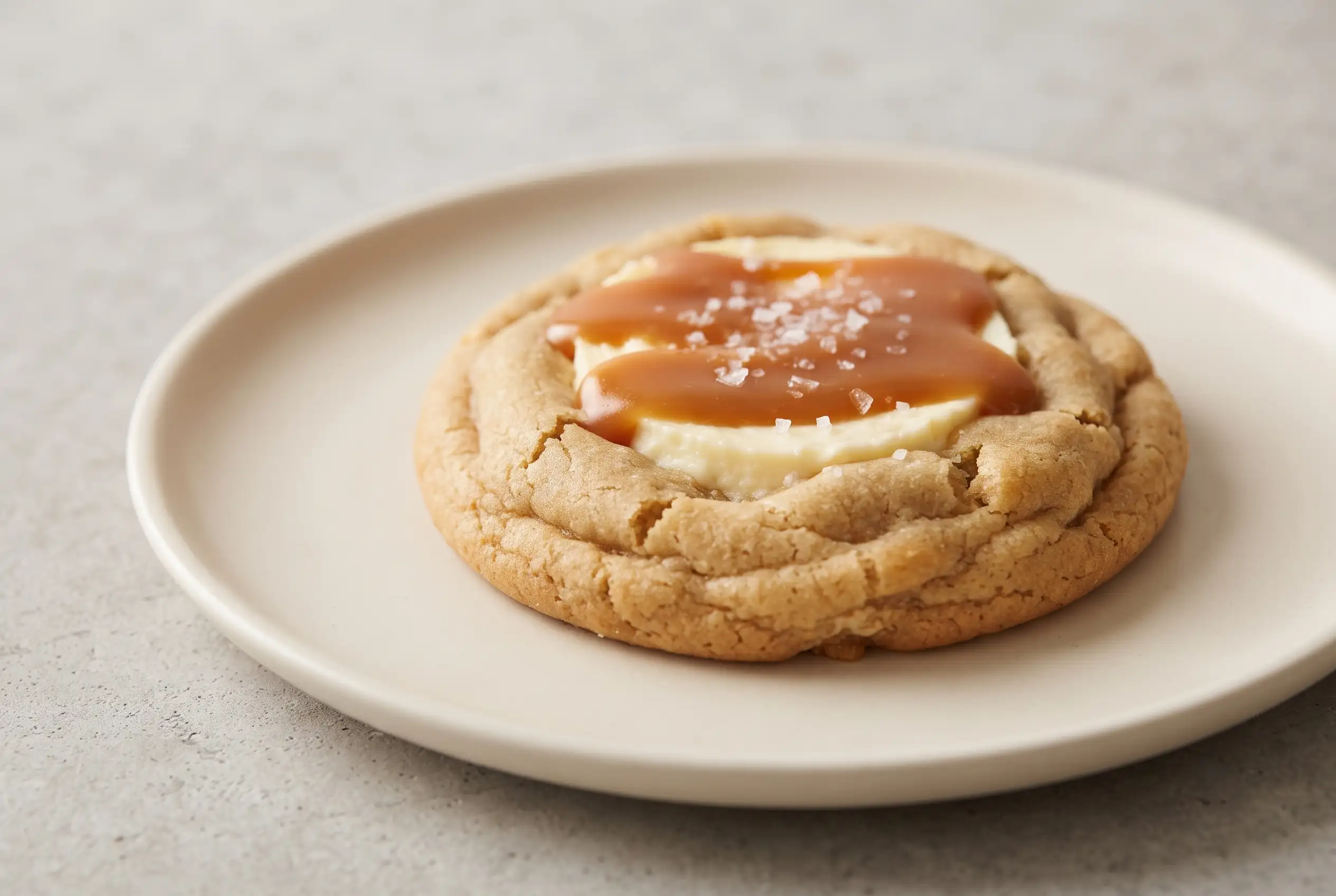
Salted caramel cheesecake cookies bring together a chewy brown sugar cookie base, a smooth cream cheese center, and a thick salted caramel finish in a bakery-style dessert. The salted caramel cheesecake cookie recipe is built around managing moisture, fat, and sweetness so the cookie remains structured while supporting a creamy cheesecake layer.
The combination works because each layer has a specific role. Brown sugar helps maintain softness, cream cheese introduces a tangy contrast, and caramel with salt deepens the buttery flavors. Careful mixing and baking decisions create soft caramel cheesecake cookies with a balanced texture instead of a cookie that feels heavy or unstable.
Salted Caramel Cheesecake Cookies Create a Creamy Filled Texture
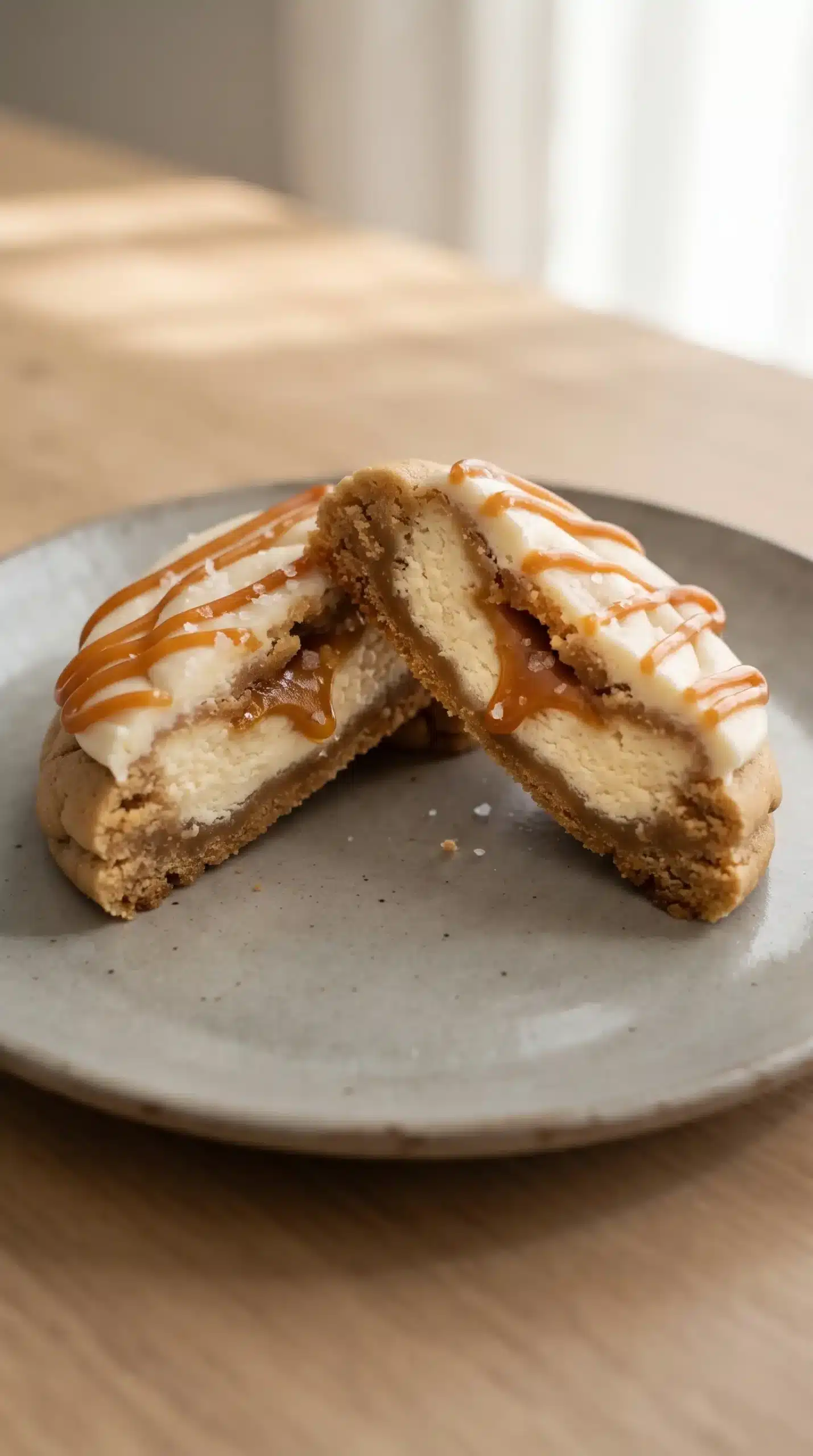
The signature feature of salted caramel cheesecake cookies is the contrast between the outer dough and the inner filling. The cookie base is designed to hold a rich cheesecake core while keeping a soft, chewy bite after baking. The filling adds moisture and a smooth dairy character that changes the experience from a standard cookie into a layered dessert.
Brown sugar plays an important structural role because it helps the dough retain moisture. The cream cheese mixture provides a slightly tangy flavor that offsets the sweetness of the caramel, while the salted caramel creates a deeper finish with a balance of sweet and salty notes.
Unlike simple drop cookies, cheesecake filled caramel cookies require attention to how different textures interact during heat exposure. The center needs enough time to set while remaining creamy, which is why visual cues during baking are important.
Brown Sugar Dough Shapes Soft Caramel Cheesecake Cookies
The cookie dough ingredients create the foundation that supports the filling. Softened butter combined with both granulated and brown sugars creates a mixture that can hold air during creaming while developing the rich flavor expected from bakery-style cookies.
Flour, baking soda, and salt provide structure, but the dough needs careful handling after the dry ingredients are added. Mixing only until combined helps preserve tenderness and prevents an overly firm texture.
- Brown sugar balance: Supports a moist, chewy cookie texture.
- Butter preparation: Creates the creamy base needed for proper dough aeration.
- Flour control: Maintains enough structure for the cheesecake filling.
Cream Cheese And Caramel Choices Define The Filling Balance
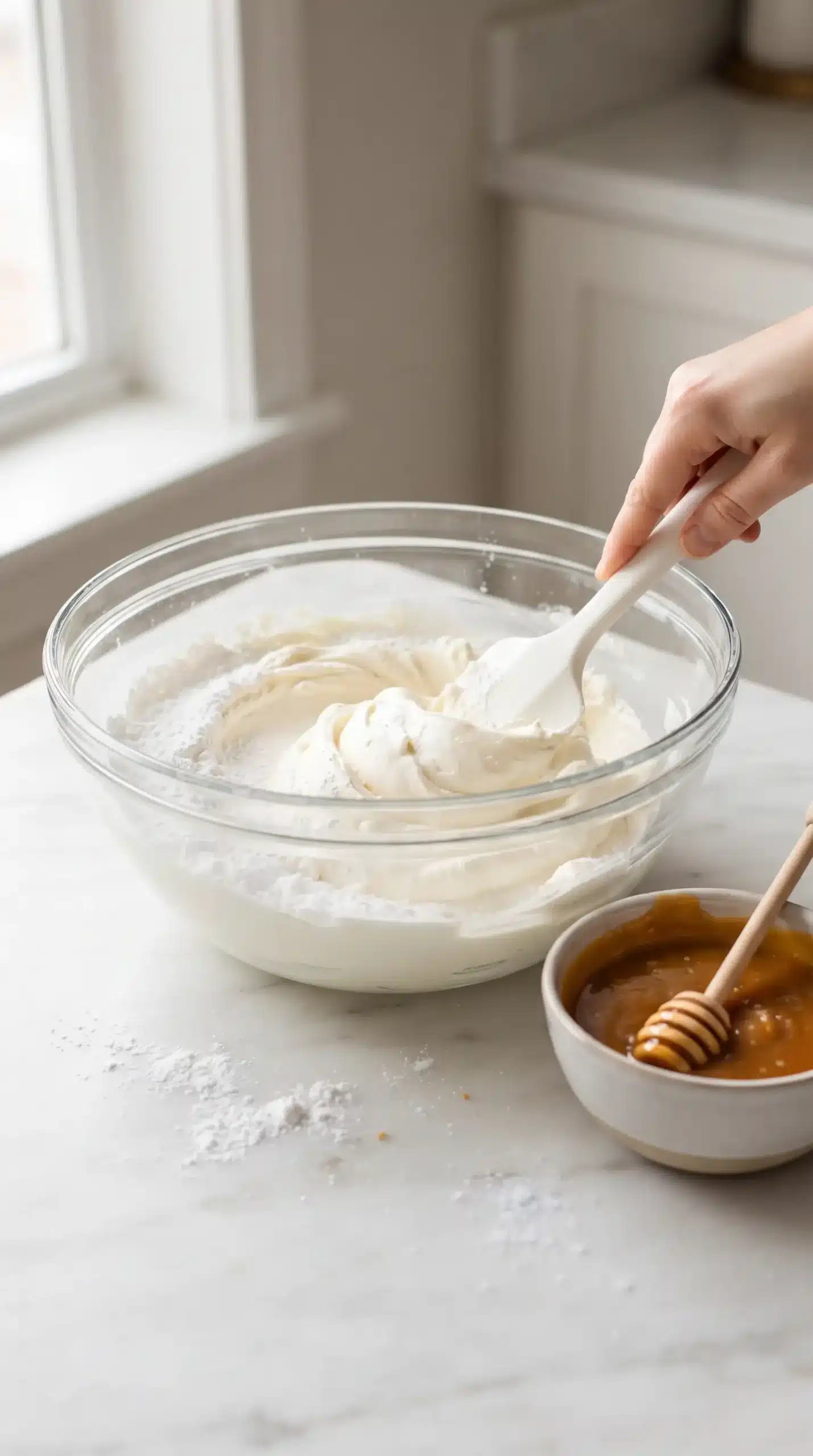
The cheesecake center depends on full-fat cream cheese and sifted powdered sugar blended until smooth. A lump-free filling creates a more even texture and allows the cheesecake layer to bake consistently inside the cookie. Properly balanced dairy mixtures are essential for creating cheesecake-filled cookies with a creamy interior and stable structure.
Salted caramel sauce adds the finishing flavor element. A thick consistency allows the caramel to remain visible through the swirl and prevents it from spreading too far into the dough during baking.
For the best salted caramel cheesecake cookies, ingredient temperature also matters. Room temperature components combine more evenly, helping the butter and dairy mixtures maintain a stable texture before the cookies enter the oven.
Baking Control Keeps Cheesecake Filled Caramel Cookies Stable
The baking process relies on controlled heat to set the edges while protecting the creamy center. The cookies should leave the oven with golden, established edges and a cheesecake portion that still has a slight wobble.
Oven temperature consistency matters because the filling contains dairy and moisture. Excessive heat can affect the texture of the cheesecake layer, while careful baking preserves the contrast between the set cookie exterior and softer middle.
Residual heat continues working after removal from the oven. Allowing the cookies to finish setting on the baking sheet helps maintain the intended soft interior without overbaking the center.
Swirling Technique Preserves The Marbled Caramel Finish
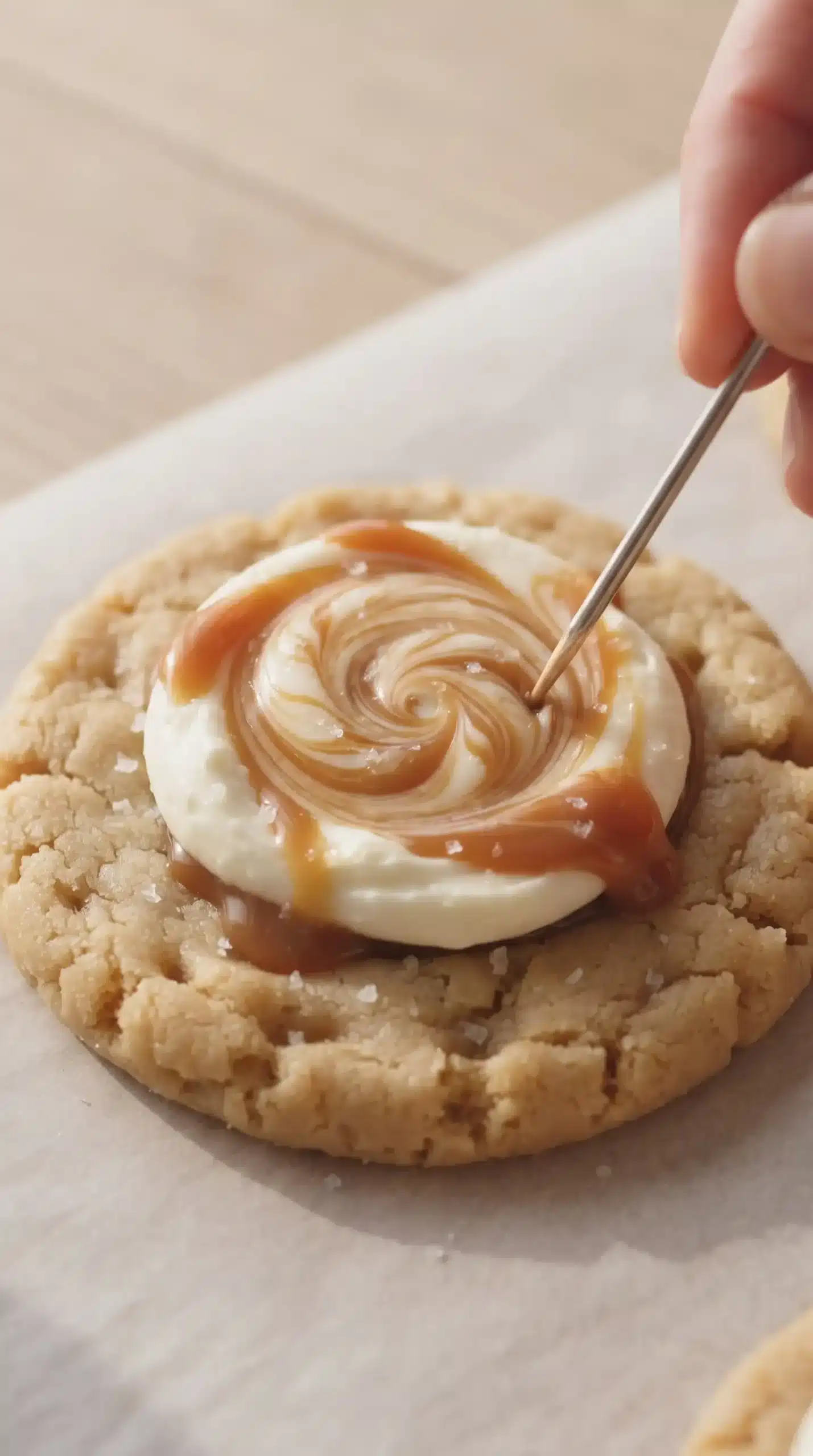
The caramel and cream cheese layers should remain visually distinct. A light swirl creates a marbled appearance where the flavors stay recognizable instead of becoming one blended mixture.
Using a small amount of movement during swirling protects the definition of each layer. Overworking the filling can cause the caramel and cheesecake mixture to lose the contrast that makes the cookies distinctive.
Common Salted Caramel Cheesecake Cookies Mistakes To Avoid
Several problems can affect salted caramel cheesecake cookies when the dough, filling, or baking process is handled incorrectly. Recognizing the cause makes it easier to protect the texture and appearance.
| Issue | Likely Cause | Better Approach |
|---|---|---|
| Filling melts into dough | Warm filling or excessive swirling | Keep the cheesecake mixture smooth and swirl lightly |
| Soggy cookie texture | Using lower-fat or spreadable cream cheese | Use full-fat brick cream cheese |
| Dense cookie structure | Over-mixing after adding flour | Stop mixing once flour is barely incorporated |
Cold ingredients can also interfere with the dough mixture. Allowing ingredients to reach room temperature helps maintain the smooth emulsion needed for a consistent cookie base.
Chilling And Serving Choices Protect Cookie Texture
These cookies benefit from careful handling after baking because the cheesecake center and butter-based dough continue changing as they cool. A short rest before serving allows the textures to settle.
Storage Practices Maintain The Cheesecake Center
Because the filling contains dairy, salted caramel cheesecake cookies should be stored in an airtight container in the refrigerator, as cream cheese desserts need refrigeration. Proper storage helps maintain both the safety and quality of the cream cheese layer.
When serving refrigerated cookies, bringing them back toward room temperature softens the butter in the dough. A brief warm-up in a low oven can restore a fresh-baked feel while avoiding changes caused by microwave heating.
Flavor Variations Expand Salted Caramel Cheesecake Cookies
The base combination allows several flavor directions while keeping the same filled-cookie structure. Variations should preserve the balance between the cookie dough, creamy center, and finishing element.
- Pecan addition: Adds a crunchy contrast that complements the caramel flavor.
- Chocolate alternative: Replaces caramel with dark chocolate ganache for a deeper profile.
- Sea salt finish: Enhances the sweet caramel notes with a stronger salty accent.
Butter And Dairy Balance Builds The Dessert Structure
The relationship between butter, sugar, and cream cheese determines how the cookies behave during baking. Butter contributes richness and helps create the dough foundation, while dairy in the filling supplies moisture and creaminess.
The ratio of sugars affects how the cookies retain softness. Brown sugar attracts and holds moisture, helping the baked cookie maintain a chewy texture even after cooling.
Understanding these interactions explains why the salted caramel cheesecake cookie recipe requires precision. Each component affects how the layers support one another from mixing through cooling.
Room Temperature Ingredients Improve Cookie Consistency
Ingredient temperature influences how smoothly the dough comes together. Softened butter, room temperature eggs, and prepared cream cheese create a more uniform mixture with fewer texture problems.
Maillard Browning Develops The Cookie Flavor Profile
Flavor development continues as the cookie surface browns during baking. The combination of sugars, butter, and heat creates deeper notes that complement the caramel and vanilla flavors.
Salt contributes more than seasoning in this dessert. It heightens the perception of sweetness and helps the caramel and butter flavors stand out against the creamy filling.
Salted Caramel Cheesecake Cookies Deliver A Balanced Bakery Texture
Salted caramel cheesecake cookies succeed when the cookie base, cheesecake center, and caramel finish remain distinct while working together. The most important decisions involve protecting moisture, controlling mixing, and watching the filling during baking.
The result is a dessert where a structured cookie surrounds a creamy center, creating a layered texture that depends on careful handling from preparation through cooling.
Salted Caramel Cheesecake Cookies Questions About Filling And Storage
Why did my cheesecake filling disappear into the cookie dough?
The filling can blend into the dough when it is too warm or when the caramel and cream cheese are swirled too aggressively. Keeping the swirl light helps preserve separate visible layers during baking.
Can the cookie dough be prepared before baking?
The dough can be refrigerated for up to 48 hours before baking. The cheesecake filling and caramel should be added closer to baking time because the sugars can affect the cream cheese texture.
What cream cheese works best for the filling?
Full-fat brick cream cheese provides the right consistency for the cheesecake center. Lower-fat or spreadable varieties contain more water and may create a softer, less stable filling.
How should leftover cookies be stored?
Store the cookies in an airtight container in the refrigerator to protect the dairy-based filling. Allowing them to soften before serving improves the texture of the butter-based cookie portion.
How can I keep the caramel swirl visible?
Use thick salted caramel sauce and make only a few gentle swirling motions. A defined swirl keeps the marbled appearance and prevents the flavors from becoming visually blended.
Salted Caramel Cheesecake Cookies with Cream Cheese
Ingredients
Method
- Beat the softened butter with both sugars for 3 minutes until the mixture becomes light and creamy.
- Add the eggs individually, mixing after each addition, then blend in the vanilla extract.
- Combine the flour, baking soda, and sea salt in a separate bowl.
- Add the flour mixture gradually to the butter mixture and mix just until a dough forms.
- Beat the softened cream cheese and powdered sugar together in a separate bowl until smooth.
- Place 2-tablespoon portions of cookie dough onto a parchment-lined baking sheet and create a small indentation in each portion.
- Fill each indentation with a small amount of the cream cheese mixture.
- Add salted caramel sauce over the filling and gently swirl the layers together with a toothpick.
- Bake the cookies at 350°F / 175°C for 10–12 minutes, until the edges are set and golden while the centers remain slightly soft.
- Let the cookies cool on the baking sheet before serving so the cheesecake filling can finish setting.