Twix Cookies Recipe with Caramel and Chocolate Layers
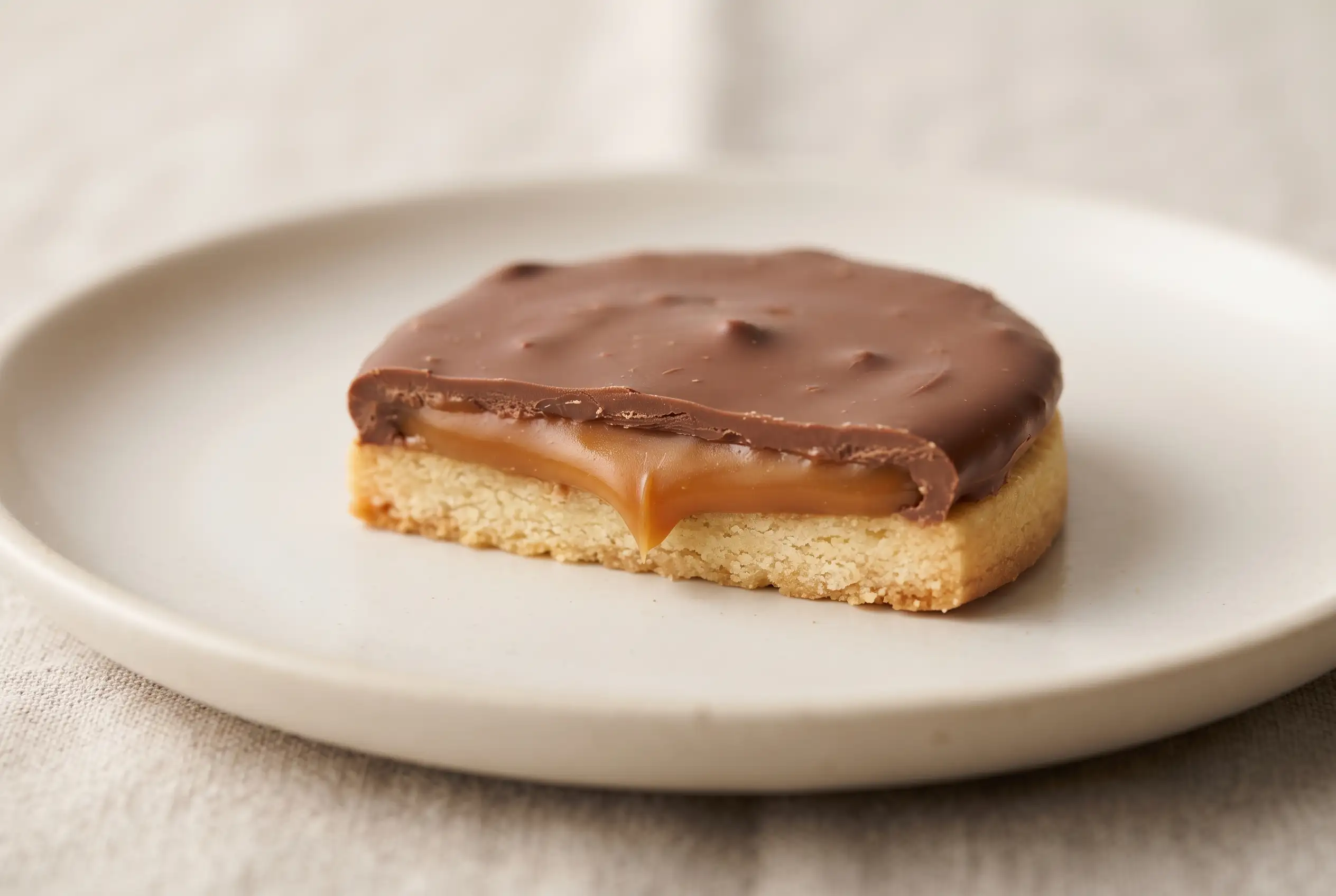
Twix cookies recipe fans can recreate the familiar candy bar experience through a layered cookie design built around a crisp shortbread-style base, a thick caramel center, and a smooth chocolate finish. These homemade Twix cookies focus on keeping each texture distinct, creating the contrast of snap, chew, and melt that makes the dessert recognizable.
The structure depends on careful handling at every stage. A firm cookie platform supports the caramel, while a set chocolate coating helps preserve the separation between layers. The result is a bakery-style treat with the character of a confection but the satisfaction of a homemade bake.
Twix Cookies Build a Three-Layer Texture
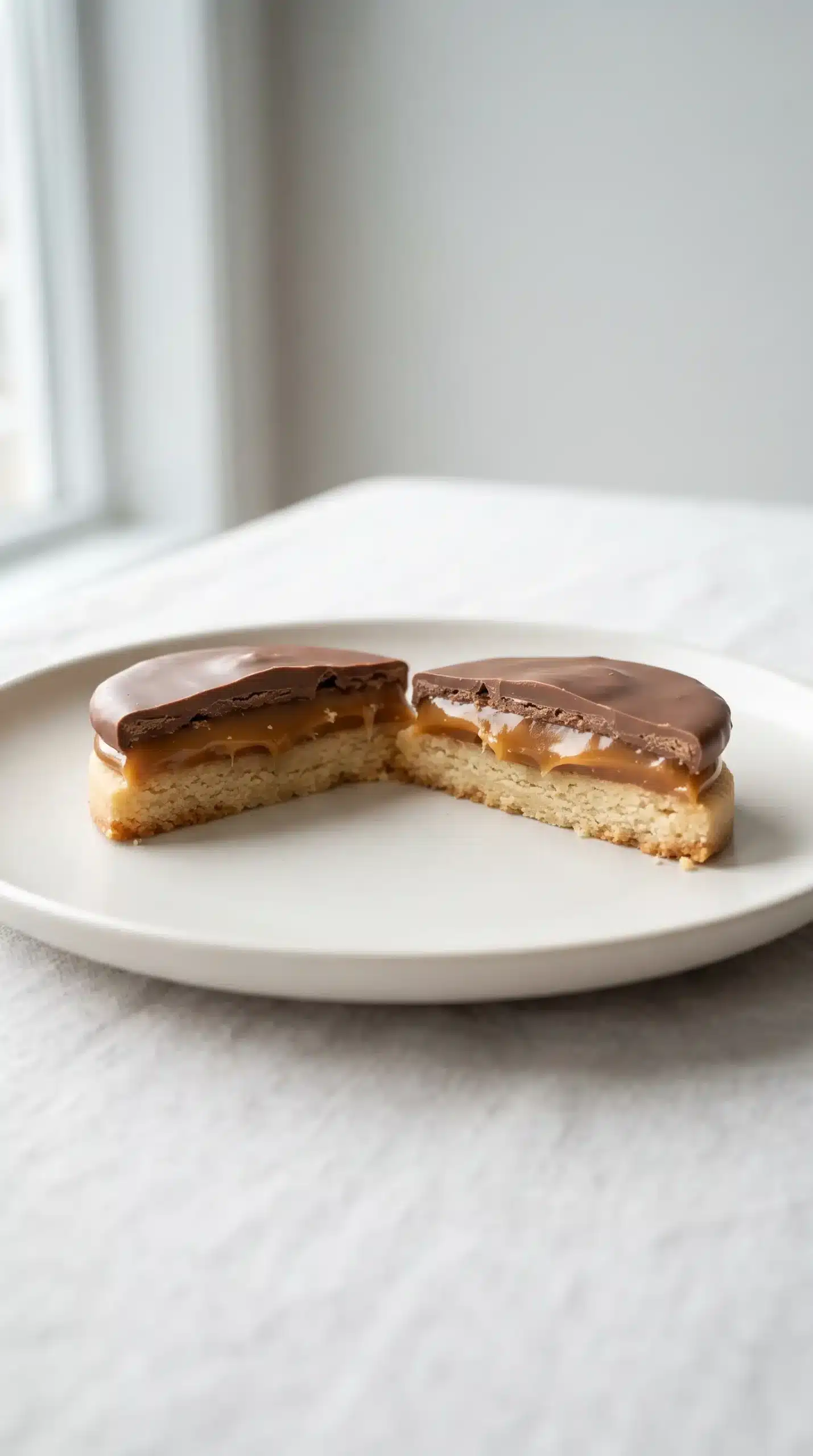
The signature feature of Twix cookies comes from the relationship between three separate elements. The shortbread-style base provides stability, the caramel creates a soft and rich middle layer, and the chocolate adds a firm outer finish. Each part has a specific role, so the cookie succeeds when the layers remain clearly defined.
Unlike a traditional chocolate chip cookie where flavors combine throughout the dough, this design depends on controlled assembly. The base must remain strong enough to carry toppings without becoming soft, and the caramel needs enough thickness to stay centered.
A successful Twix cookies recipe recreates the candy-inspired experience by managing texture differences. The bite begins with the cookie snap, moves into the caramel chew, and ends with the chocolate coating that seals the dessert.
Shortbread Twix Cookies Depend on a Stable Base
The cookie foundation determines how well the finished layers hold together. Softened butter and sugar are combined to create a light dough structure, while flour provides the body needed for a flat platform. A small amount of baking soda keeps the base from becoming overly dense.
The dough works best when handled gently after the dry ingredients are added. Overmixing can create a firmer texture, reducing the tender crumb expected from shortbread Twix cookies.
| Cookie Base Feature | Purpose | Result in Finished Cookie |
|---|---|---|
| Softened butter | Creates a smooth dough foundation | Tender texture with balanced richness |
| Flour structure | Supports heavier toppings | Stable caramel platform |
| Baking soda | Adds slight lift | Lighter bite without excessive hardness |
Caramel Thickness Controls the Cookie Finish
The caramel layer is the most delicate part of the assembly because its consistency affects the entire cookie. A thick caramel sauce or melted soft caramel mixture stays concentrated on the center of the base and avoids spreading beyond the edges.
The consistency of caramel changes as sugar and water conditions shift during cooking, with caramelization stages influencing the final texture of the layer.
Thin caramel can absorb into the cookie surface or move outward before the chocolate is applied. A heavier caramel texture creates the chewy center associated with caramel chocolate cookies while protecting the shape of the finished dessert.
Thin caramel can absorb into the cookie surface or move outward before the chocolate is applied. A heavier caramel texture creates the chewy center associated with caramel chocolate cookies while protecting the shape of the finished dessert.
- Thick caramel: Maintains a visible middle layer and supports clean stacking.
- Soft caramel: Provides chew while remaining easy to spread across cooled cookies.
- Flaky salt: Adds contrast when sprinkled before the chocolate layer.
Chocolate Covers the Caramel Layer Cleanly
The chocolate topping completes the layered design by adding firmness and a smooth finish. Milk chocolate chips or chopped chocolate can be melted until fully smooth before being spread or drizzled over the caramel.
Chocolate with a higher cocoa butter content helps create a cleaner bite because the coating can set into a more defined surface. Once hardened, the chocolate also creates a barrier around the softer caramel underneath.
Cooling Control Protects Twix Cookies Layers
Temperature management determines whether the toppings remain in place. Warm cookies can soften the caramel immediately, causing it to lose its thickness and move away from the center. Allowing the bases to cool completely creates a stable surface for decoration.
The cooling stage also affects the chocolate finish. Applying melted chocolate after the caramel has been placed gives the layers time to maintain their intended shapes.
Careful chilling can speed up the setting process, but the cookies should still be handled gently until the chocolate becomes firm.
Twix Cookies Recipe Assembly Decisions Improve Results
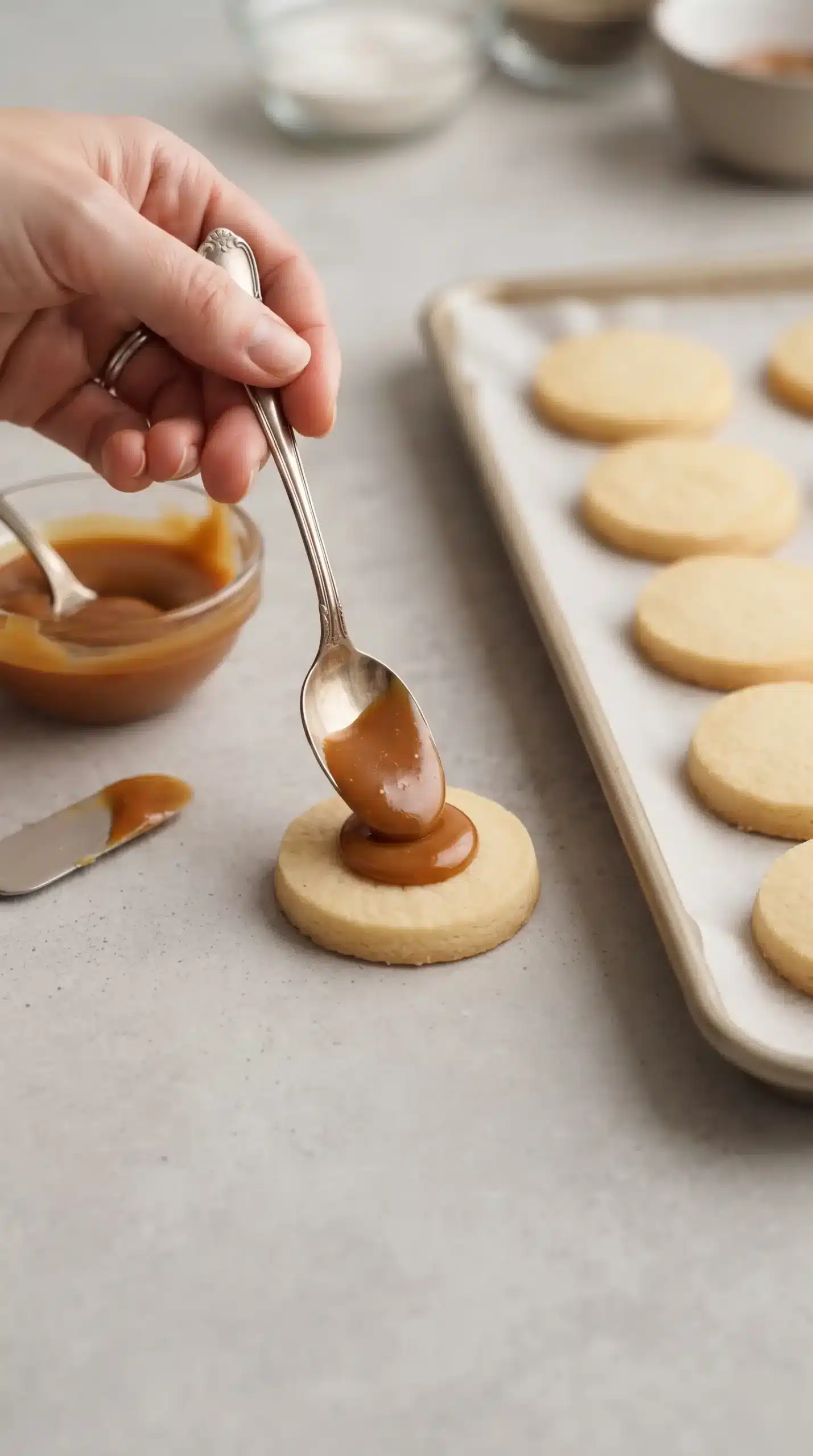
The assembly process is where a twix cookies recipe becomes different from a standard cookie preparation. The baked bases act as individual platforms, allowing each topping to be applied with control instead of combining throughout the dough.
Uniform cookie shapes make the topping process easier. Flattening the dough portions creates level surfaces where caramel can sit evenly, reducing sliding and improving the finished appearance.
- Shape evenly: Create consistent cookie discs so every layer has similar support.
- Cool completely: Protect caramel thickness before adding toppings.
- Seal with chocolate: Cover the caramel to complete the layered structure.
Mistakes That Affect Twix Cookies Layers
Several common problems can change the texture of Twix cookies. Understanding the cause behind each issue makes it easier to protect the layered design.
| Problem | Likely Cause | Better Approach |
|---|---|---|
| Caramel slides away | Warm cookie surface or thin caramel | Cool bases fully and use thicker caramel |
| Cookie feels too hard | Overbaking or excessive firmness | Bake until edges are just barely golden |
| Layers lose definition | Adding toppings before cooling | Allow each stage to stabilize |
Avoiding these mistakes keeps the cookie closer to the intended candy-inspired structure. The main focus is protecting the separation between the crisp base, chewy caramel, and chocolate coating.
Storage Keeps Homemade Twix Cookies Structured
Homemade Twix cookies should be stored in an airtight container in a cool, dry location. Warm environments can soften the chocolate layer and affect the clean texture of the finished dessert.
For longer storage, the cookies can be frozen after they have fully set. Thawing at room temperature allows the layers to return to their intended texture without disturbing the caramel.
Variations Expand the Caramel Chocolate Cookies Style
The layered format allows several flavor adjustments while keeping the same construction. Dark chocolate can replace milk chocolate for a deeper flavor profile, while the caramel layer remains the defining center.
A denser shortbread-style base can be created by removing the baking soda. Another option is adding a toasted almond piece into the caramel before the chocolate coating is applied.
Tools Support Accurate Twix Cookies Assembly
Simple baking tools can make the layering process more consistent. A parchment-lined baking sheet helps create clean cookie surfaces, while a flat-bottomed cup can shape the dough into even discs.
A piping tool or spoon can distribute caramel more neatly, and gentle melting methods help the chocolate remain smooth during application.
Ingredient Knowledge Improves the Layer Balance
The ingredient choices in a twix cookies recipe are selected for structural reasons. Butter creates richness and supports the tender base, while flour provides the framework needed for toppings. The caramel and chocolate are not mixed into the dough because their separate placement creates the recognizable layered effect.
Sea salt is optional but useful when balancing the sweetness of the caramel and milk chocolate. A small amount placed between layers can highlight the contrast without changing the overall design.
Serving Moments Showcase the Finished Cookies
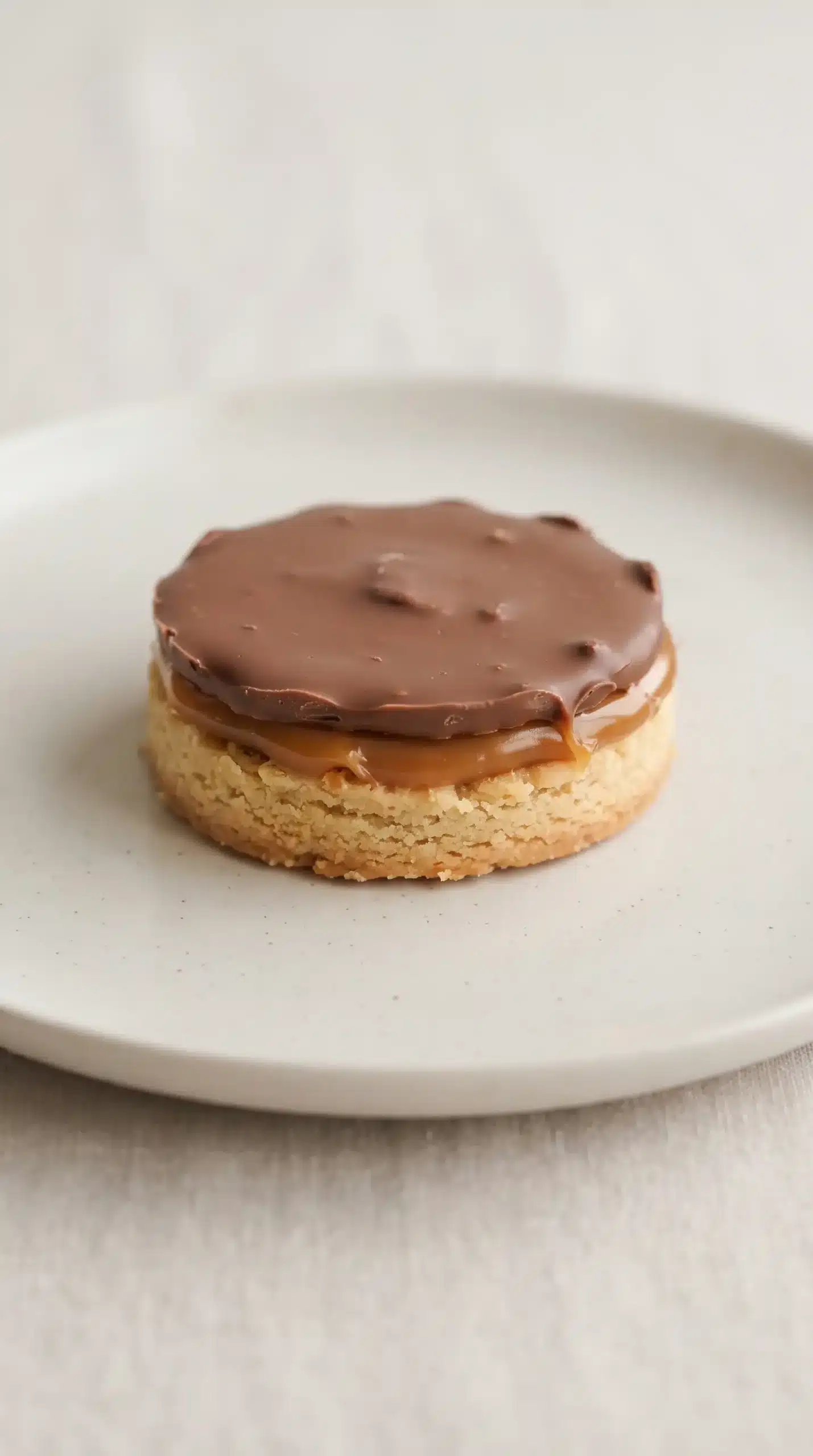
Caramel chocolate cookies work well when the layered appearance can be appreciated. Cutting or serving them after the chocolate has set reveals the separate sections and highlights the careful assembly.
The cookies fit naturally into dessert spreads where a familiar candy flavor is presented in a homemade format.
Twix Cookies Deliver a Controlled Candy Bar Experience
The shortbread base, caramel center, and chocolate coating create a dessert where each layer depends on careful timing. Twix cookies succeed when the cookie remains firm, the caramel stays concentrated, and the chocolate finishes with a clean set.
Respecting cooling and consistency choices transforms simple ingredients into a structured treat that captures the appeal of a classic candy bar through a homemade cookie format.
Twix Cookies Questions About Caramel Problems
What makes Twix cookies different from regular cookies?
Twix cookies are built with separate layers instead of combining all flavors inside one dough. The shortbread base, caramel middle, and chocolate topping create distinct textures in each bite.
Why does caramel slide off my cookies?
Caramel can move when the cookie is still warm or when the sauce is too thin. Using a cooled base and a thicker caramel consistency helps the layer stay centered.
Can the shortbread dough be prepared ahead?
The dough can be refrigerated for up to three days before baking. Resting the dough allows the flour to hydrate and can support a more developed cookie texture.
Should Twix cookies be reheated before serving?
These cookies are best served without reheating because heat can soften the caramel and disturb the separation between the cookie layers.
How can I make the chocolate layer more defined?
Using smooth melted chocolate and allowing it to fully solidify helps create a cleaner coating that protects the caramel beneath it.
Twix Cookies Recipe with Caramel and Chocolate Layers
Ingredients
Method
- Beat the softened butter and granulated sugar together until the mixture becomes pale and fluffy.
- Combine the all-purpose flour, baking soda, and fine sea salt, then add the dry mixture gradually to the butter mixture until a soft cookie dough forms.
- Shape the dough into 1-inch balls, arrange them on a parchment-lined baking sheet, and press each one into a flat disc.
- Bake the cookies at 350°F / 175°C for 10–12 minutes until the edges are lightly golden and the cookies are firm.
- Allow the baked cookies to cool fully on the baking sheet, then move them to a wire rack before decorating.
- Add a layer of thick caramel sauce to the center of each cooled cookie.
- Melt the milk chocolate chips or chopped milk chocolate in short intervals, stirring between each interval until smooth.
- Spread or drizzle the melted milk chocolate over the caramel topping.
- Sprinkle flaky sea salt over the caramel before adding the chocolate if using.
- Leave the cookies at room temperature or refrigerate for 10 minutes until the chocolate topping is set before serving.