Honey Mustard Chicken Breast with Zesty Glaze Recipe
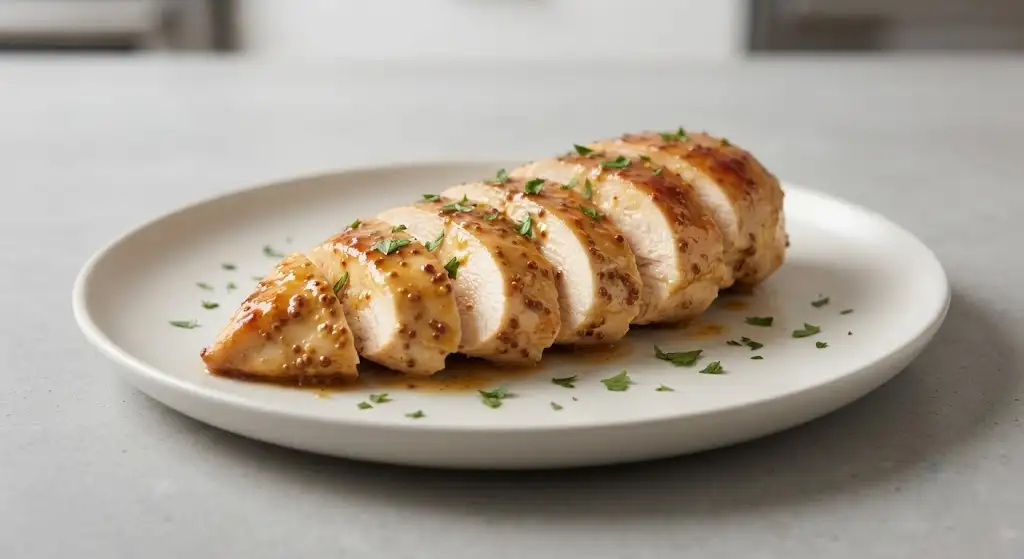
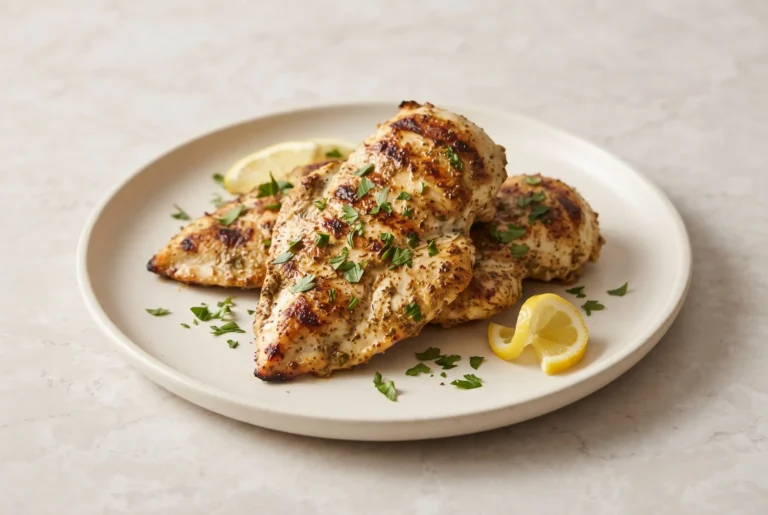
Honey mustard chicken breast creates a dependable dinner by combining lean poultry with a glossy honey and mustard coating that delivers sweetness, acidity, and savory depth in every slice. This baked honey mustard chicken breast recipe focuses on a stable glaze, even cooking, and moisture protection so the finished chicken keeps its tender texture while developing a golden exterior.
Honey Mustard Chicken Breast Builds Flavor Through a Balanced Glaze
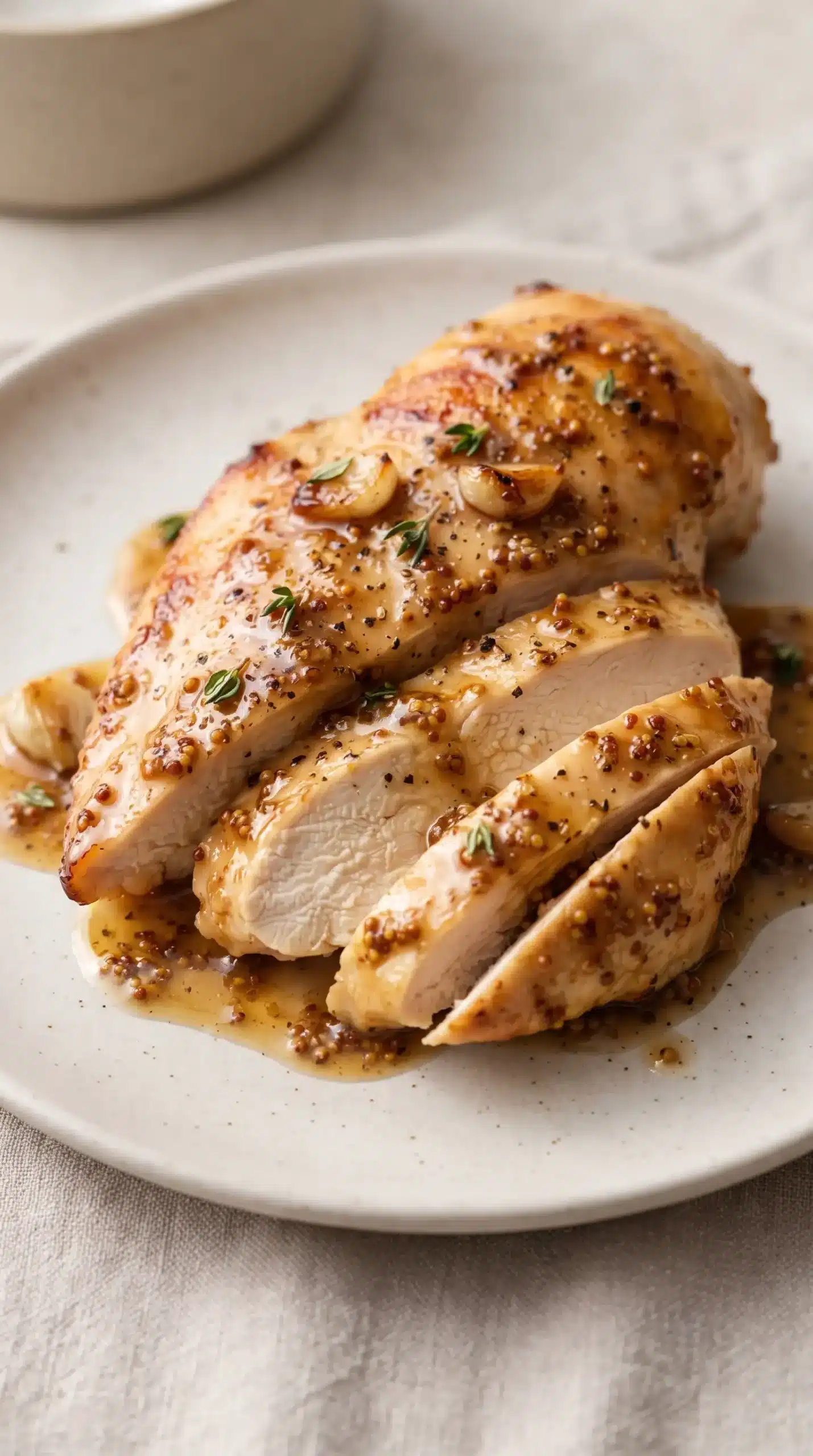
The appeal of honey mustard chicken breast comes from the relationship between sweet honey and sharp mustard. The glaze is designed to coat the surface of the chicken with a concentrated layer that follows the contours of the meat during baking.
Honey contributes a naturally sweet foundation, while Dijon mustard brings a smooth pungent character that prevents the glaze from tasting flat. Whole grain mustard adds visible texture and small bursts of acidity that make each bite more complex.
During baking, the honey in the glaze develops deeper flavor as heat triggers sugar caramelization, creating the richer color and roasted notes associated with a finished coating.
The olive oil, garlic, salt, and pepper complete the mixture by helping the flavors combine into a cohesive coating. When the glaze remains evenly blended, the chicken receives consistent seasoning from edge to center.
| Glaze element | Primary role | Cooking effect |
|---|---|---|
| Honey | Sweet flavor base | Creates a glossy caramelized surface |
| Dijon mustard | Smooth acidity and depth | Helps form a unified emulsion |
| Whole grain mustard | Texture and sharper notes | Adds contrast throughout the glaze |
Dijon and Whole Grain Mustard Define the Ingredient Choice
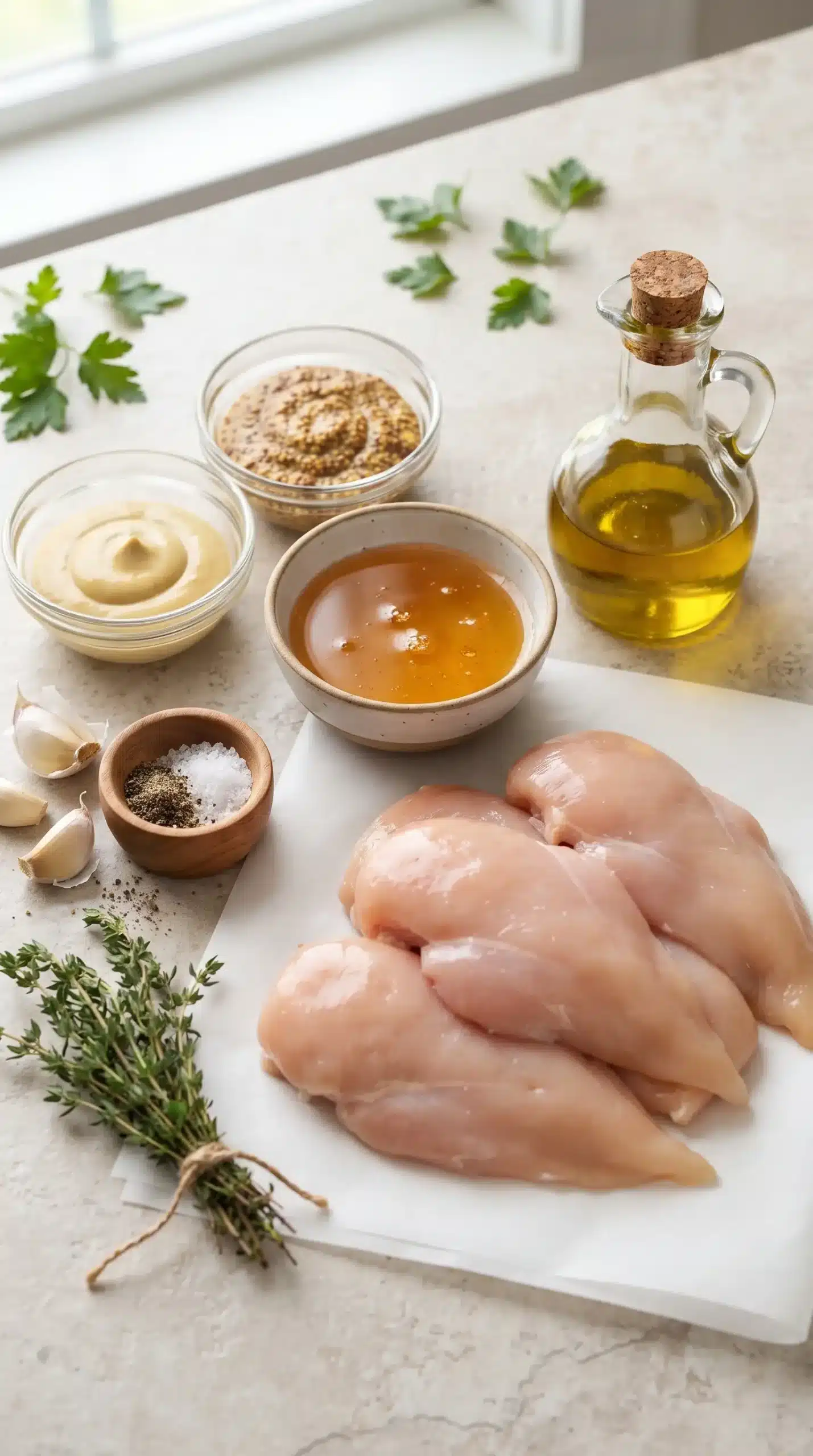
The most important ingredient decision in this zesty honey mustard chicken is using two mustard styles together. Dijon mustard provides the smooth body needed for the honey mixture, while whole grain mustard creates a more textured finish.
High-quality clover honey works well because its floral sweetness supports the mustard flavors without overwhelming them. The combination creates a coating that feels layered instead of simply sugary.
Fresh garlic and thyme also shape the finished character. Microplaned garlic distributes quickly through the glaze, and fresh thyme adds an herbal note that complements the roasted chicken surface.
The Emulsified Coating Protects the Chicken Surface
The glaze works best when the olive oil becomes fully integrated with the honey and mustard mixture. A stable coating spreads across the chicken evenly and remains attached during baking.
Uniform Chicken Thickness Creates More Reliable Slices
Chicken breasts naturally vary in thickness, which can lead to uneven cooking if the thicker areas require extra time. Lightly pounding the meat to a consistent thickness allows heat to move through the chicken more evenly. A reliable baked chicken breast preparation method starts with shaping the meat before cooking so the final slices remain tender and consistent.
Drying the exterior before adding the glaze also improves how the coating sits on the surface. Excess moisture can weaken the connection between the chicken and the flavorful mustard mixture.
The result is a more controlled preparation where the glaze remains visible and the cooked chicken maintains a pleasant texture throughout the portion.
Baking Controls Keep the Honey Mustard Chicken Breast Tender
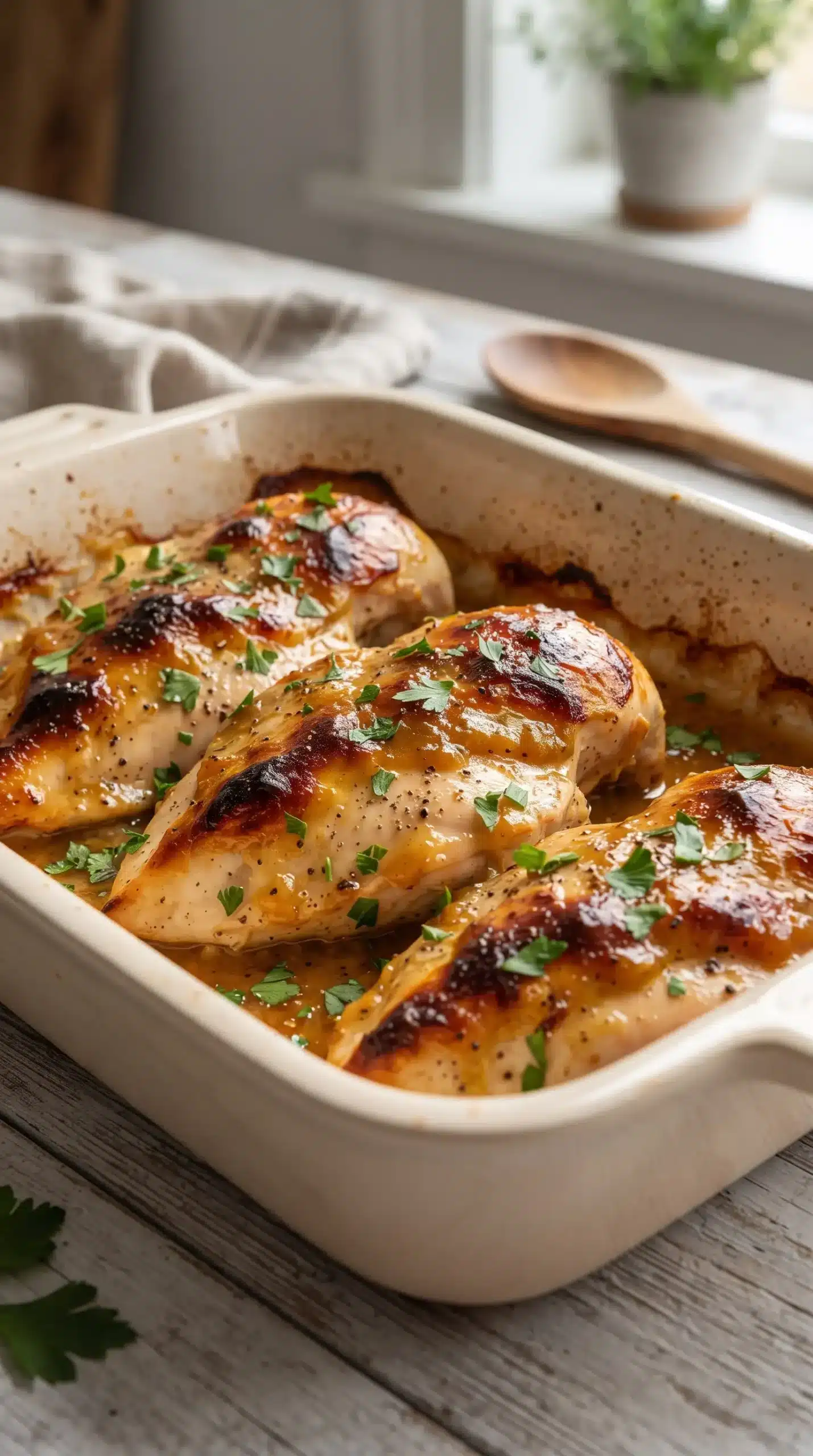
The baking approach relies on managing heat exposure in stages. Covering the chicken early in the process creates a moist environment that supports the lean poultry while the glaze begins to cook.
Removing the cover later allows the honey sugars to develop a deeper roasted character. This timing helps create a golden finish without exposing the glaze to direct heat for too long.
A baking dish made from heavy ceramic or glass supports steady cooking, and allowing the chicken to rest after baking helps the juices settle before slicing.
- Blend carefully: Whisk the glaze until the oil is fully combined with the honey and mustard.
- Coat evenly: Cover every side of the chicken so the flavor develops across the entire surface.
- Finish gently: Use the uncovered baking stage to build color and caramelization.
Common Honey Mustard Chicken Breast Mistakes That Reduce the Glaze Finish
Skipping the drying step can cause the coating to slide away from the chicken instead of forming an even layer. Another common mistake is replacing the mustard combination with a thinner yellow mustard, which changes the structure of the glaze. Overbaking also affects the texture by making the lean meat less tender.
Meal Prep Portions Benefit From the Stable Honey Coating
Honey mustard chicken breast is well suited for prepared meals because the glaze remains flavorful after slicing. The finished chicken can be paired with grains and vegetables for ready-to-eat portions.
Variations Add New Directions to the Same Glaze Foundation
A spicy honey-chipotle variation introduces smoky heat by adding adobo sauce to the honey mustard base. A dried rosemary or oregano addition creates a more herb-forward crust, while using bone-in thighs creates a richer version with a different texture.
Serving Ideas Highlight the Sweet and Savory Contrast
The golden glaze pairs naturally with simple side dishes because the chicken already carries a strong balance of sweet and acidic flavors. Sliced pieces also work well when the thickened glaze is used as part of the serving presentation.
Storage Choices Preserve the Glazed Chicken Texture
Leftover baked honey mustard chicken breast can be stored in an airtight glass container for up to three days. The chilled glaze becomes thicker and can complement sliced chicken served in salads or cold preparations.
Zesty Honey Mustard Chicken Gains Depth From Controlled Caramelization
The characteristic finish comes from allowing the honey-based coating to transform during baking. Heat encourages the sugars in the glaze to develop deeper roasted notes while the mustard keeps the flavor balanced.
The covered baking stage protects moisture, while the uncovered portion creates the surface appearance associated with a polished baked chicken breast. These two conditions work together to shape both texture and flavor.
This easy baked chicken breast recipe succeeds because each decision supports the next one. The glaze, chicken preparation, and heat control all contribute to a consistent result.
Choosing the Right Baking Approach Shapes the Final Chicken Result
A successful preparation depends on respecting the relationship between the glaze and the lean chicken breast. The coating needs enough protection to stay flavorful while still receiving enough heat to develop color.
Honey Mustard Chicken Breast Shows the Value of Controlled Cooking
Honey mustard chicken breast demonstrates how a simple group of ingredients can create a refined result when texture and temperature receive careful attention. The dual-mustard glaze provides contrast, while the baking process preserves the qualities that make chicken breast appealing.
The most important choice is maintaining balance: the honey should create a glossy finish, the mustard should provide brightness, and the chicken should remain tender through controlled preparation.
Honey Mustard Chicken Breast Questions About Glaze, Texture, and Storage
How do I keep the honey glaze from burning?
Keeping the chicken covered during the first stage of baking protects the honey sugars from excessive direct heat. The uncovered finishing stage allows caramelization to happen after the chicken has already developed moisture protection.
Why use two kinds of mustard in honey mustard chicken breast?
Dijon mustard creates a smooth base that blends with honey, while whole grain mustard adds texture and sharper flavor points. Using both creates a more balanced coating.
Can I prepare honey mustard chicken breast ahead of time?
Yes, the cooked chicken can be sliced after resting and portioned for prepared meals. The glaze remains concentrated and continues to add flavor when served chilled or reheated.
How can I reheat the chicken without drying it out?
Reheating in a covered oven-safe dish with a splash of water helps protect the chicken texture. A gentle oven method keeps the honey glaze more pleasant than high-heat reheating.
What makes this baked honey mustard chicken breast recipe different from a simple chicken dinner?
The difference comes from the emulsified honey mustard coating and the controlled baking process. These techniques transform basic poultry into a dish with a layered sweet, acidic, and savory finish.
Honey Mustard Chicken Breast with Zesty Glaze Recipe
Ingredients
Method
- Preheat the oven to 400°F / 205°C.
- Combine honey, whole grain mustard, Dijon mustard, olive oil, garlic, salt, and black pepper in a bowl and whisk into a smooth glaze.
- Place the chicken breasts between sheets of parchment paper and gently pound until they are an even 3/4-inch thickness.
- Dry the chicken breasts with paper towels, then spread the honey mustard glaze over all sides.
- Arrange the glazed chicken breasts in a baking dish, cover tightly with aluminum foil, and bake for 20 minutes.
- Remove the foil and bake for an additional 5–10 minutes until the glaze is caramelized and the chicken reaches an internal temperature of 165°F / 74°C.
- Allow the baked chicken breasts to rest for 5 minutes, then slice and serve with fresh thyme leaves.