Ranch Chicken Recipe with Creamy Buttermilk Ranch Sauce
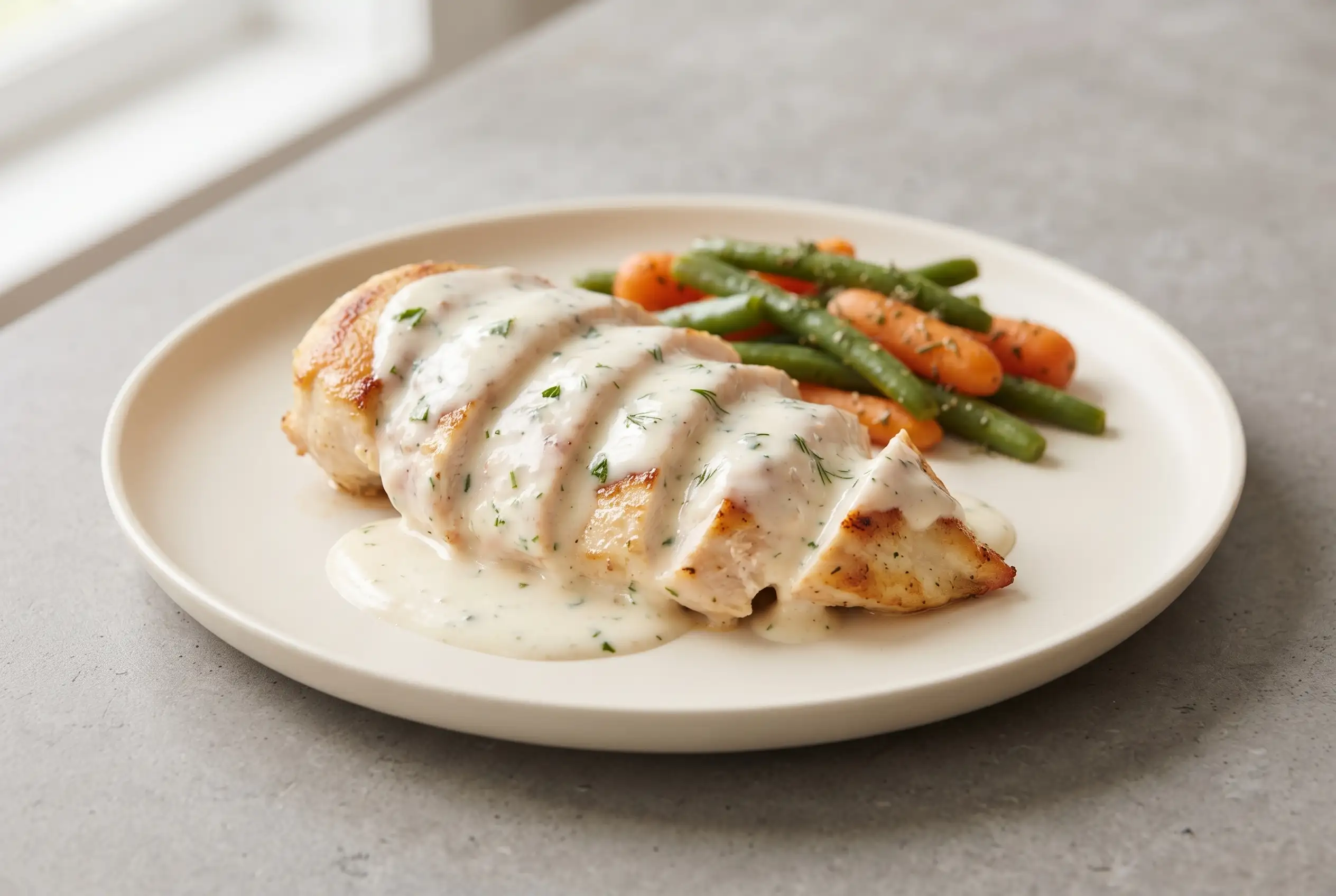
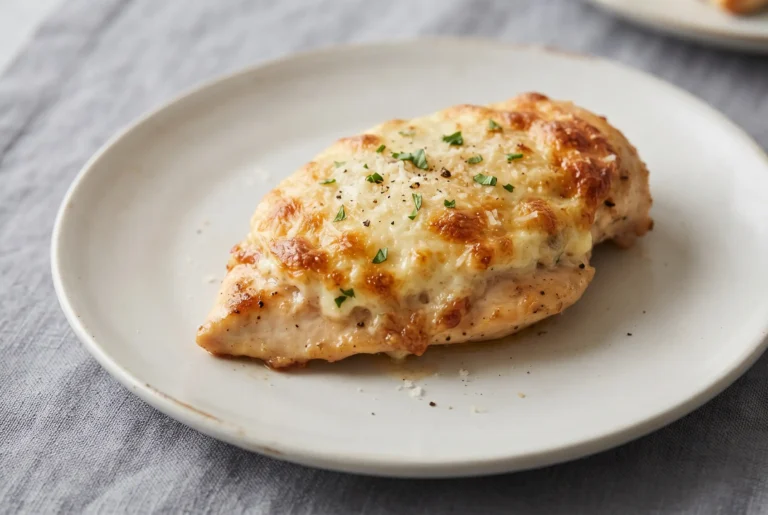
Ranch Chicken brings a simple skillet technique together with a creamy ranch finish that turns pan-seared poultry into a comforting dinner with a polished texture. The dish centers on creating a flavorful browned surface first, then using a buttermilk ranch dressing base to form a smooth sauce that coats the chicken.
Careful heat management separates the creamy finish from an ordinary quick chicken meal. The browned pieces left in the pan become part of the sauce, while the gentle simmer protects the dressing’s texture and keeps the finished coating glossy.
Buttermilk Ranch Dressing Shapes the Sauce Texture
The ranch dressing is the defining ingredient choice because its buttermilk and oil-based composition creates the foundation for the creamy sauce. The acidity helps brighten the chicken, while the fats contribute the rich mouthfeel that makes the finished dish feel indulgent.
Searing Chicken Builds the Flavor Foundation
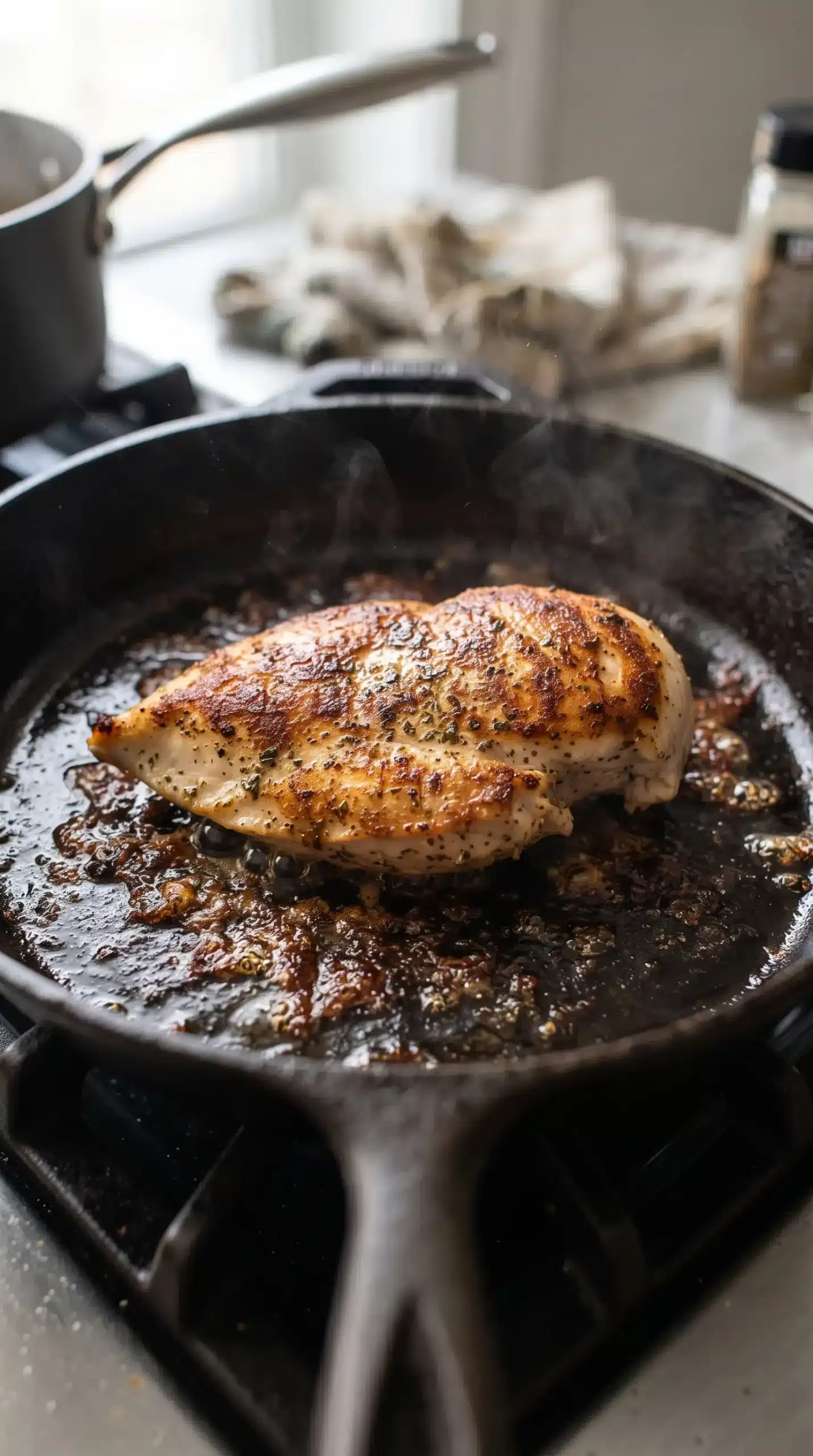
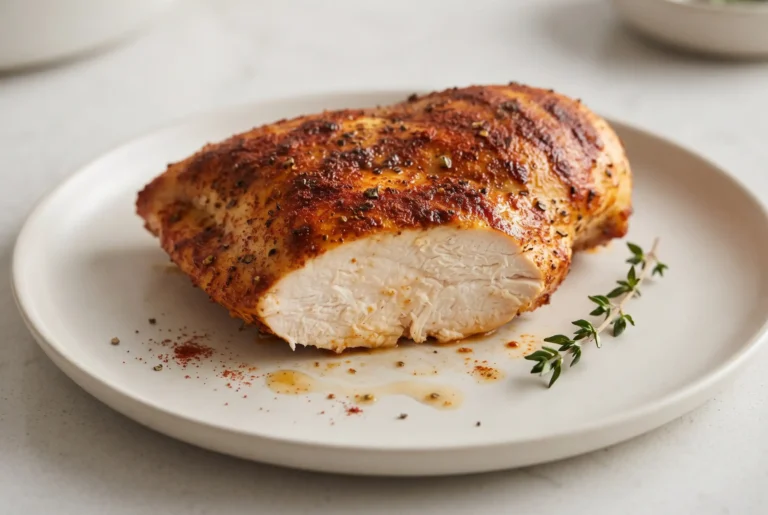
The skillet sear creates the first layer of flavor before the ranch sauce enters the pan. Cooking the chicken over medium-high heat develops a deep golden crust, and that browned exterior provides contrast against the smooth dressing-based finish.
Uniform chicken thickness is important during this stage because uneven pieces cook at different rates. Pounding the breasts to an even thickness helps the center reach the proper internal temperature while reducing the chance of thinner areas becoming dry.
After the chicken has been flattened, it should still reach a safe cooking endpoint before the sauce is added. Chicken breasts are properly cooked when they reach an 165°F internal temperature, helping ensure the meat is ready while maintaining the texture developed during searing.
Once the chicken has developed its crust, the browned bits remaining on the skillet surface become valuable flavor material. Incorporating those pieces into the sauce connects the savory seared notes with the creamy ranch coating.
| Cooking decision | What to observe | Why it matters |
|---|---|---|
| Chicken thickness | Breasts are evenly flattened | Supports consistent cooking throughout the meat |
| Searing time | A deep golden surface develops | Creates a savory foundation for the sauce |
| Skillet condition | Browned bits remain after cooking | Adds concentrated flavor to the ranch finish |
A Consistent Thickness Protects Ranch Chicken Results
Flattening the chicken before cooking is a precision step that improves the final texture. A breast with a more consistent shape allows the sear and finishing process to work evenly from edge to center.
Common Ranch Chicken Mistakes That Affect the Sauce
One frequent mistake with Ranch Chicken is adding the dressing while the skillet is still too hot. Dairy-based sauces can lose their smooth texture when exposed to excessive heat, creating an oily or separated appearance instead of a cohesive glaze.
Another issue occurs when the pan is cleaned before the sauce is prepared. The browned pieces left behind after searing contain concentrated flavor, and removing them eliminates the connection between the chicken crust and the creamy finish.
Several adjustments can help maintain the intended texture:
- Heat reduction: Lower the skillet temperature before adding ranch dressing so the sauce warms gently.
- Gentle simmer: Avoid a hard boil that can damage the dressing’s smooth consistency.
- Quick correction: If the sauce looks oily, remove the pan from heat and whisk in a small amount of cold water or milk to help restore the emulsion.
Pan Fond Turns Ranch Dressing Into a Savory Glaze
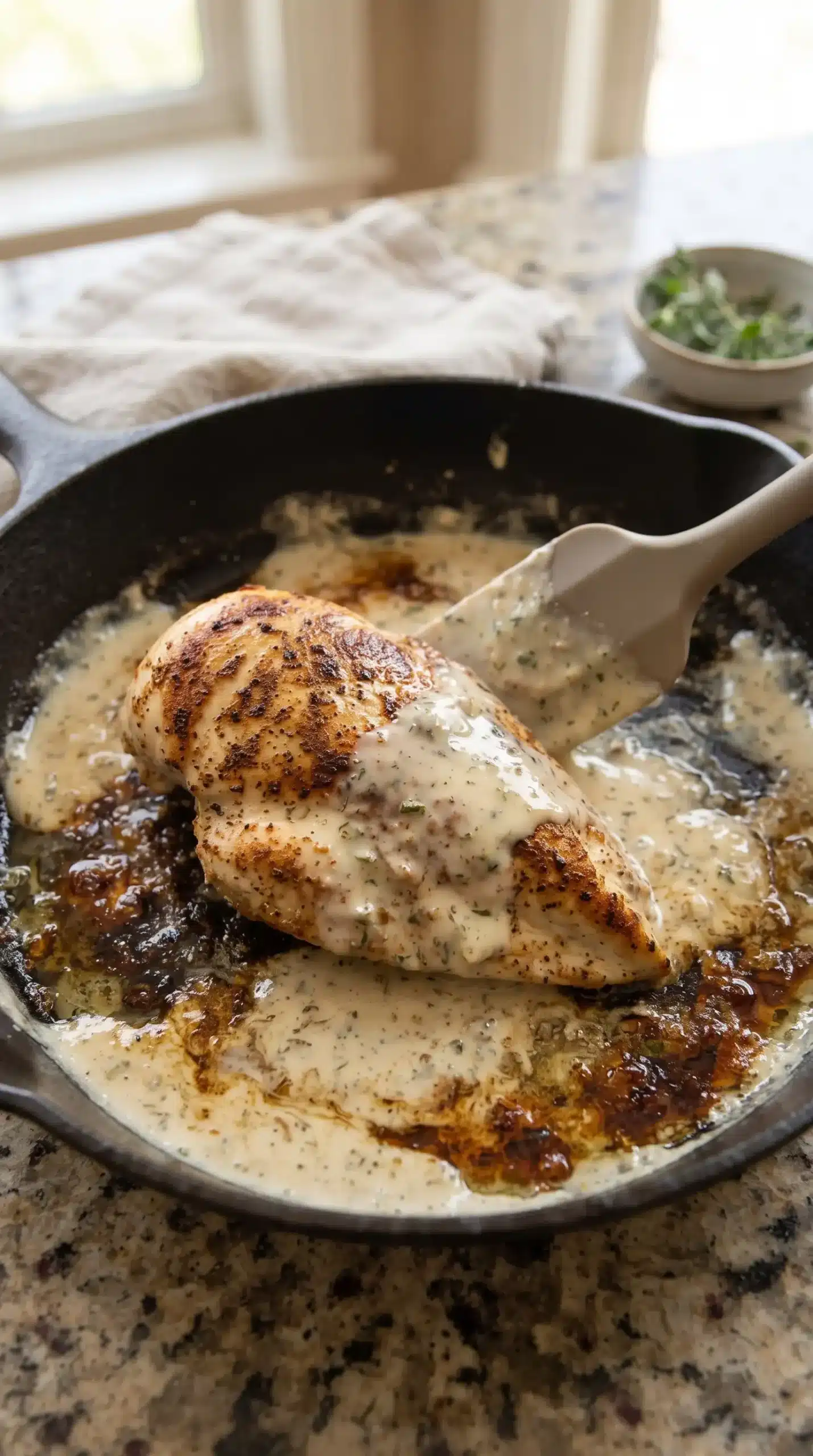
The browned fond from the skillet is a small but important part of the finished sauce. Stirring those flavorful pieces into the ranch dressing changes it from a simple topping into a richer coating that carries the character of the seared chicken. Keeping the fond intact is a key step when preparing chicken in white wine sauce, where the finished pan sauce depends on the flavors left behind after browning.
Variations That Change the Ranch Chicken Profile
The base technique allows Ranch Chicken to take on different flavor directions while keeping the creamy sauce concept intact. Changes work best when they are added during the finishing stage so the ranch foundation remains noticeable.
| Variation | Addition | Resulting direction |
|---|---|---|
| Thigh substitution | Boneless, skinless chicken thighs | A more succulent texture with a richer protein choice |
| Spicy Buffalo Ranch | Aged cayenne pepper sauce | A zesty version with stronger heat and tang |
| Mushroom and Herb | Sliced cremini mushrooms | An earthy layer added through the pan juices |
Additional seasoning can also adjust the character of the sauce. Smoked paprika or dried dill stirred in during the final simmer can deepen the flavor while preserving the creamy ranch profile.
Storage Choices Keep the Creamy Sauce Balanced
After cooling, Ranch Chicken should be kept in an airtight container to preserve the chicken and sauce quality. The creamy coating naturally becomes thicker when chilled, which is expected with this style of dressing-based sauce.
Freezing is possible, although the buttermilk component may separate slightly after thawing. Gentle reheating is the best way to bring the sauce back together without creating a broken texture.
For reheating, use low heat in a skillet and loosen the sauce with a small amount of milk or broth while stirring gently. Avoid intense microwave heating because it can affect both the chicken texture and the stability of the sauce.
Serving Ideas Complete the Skillet Meal
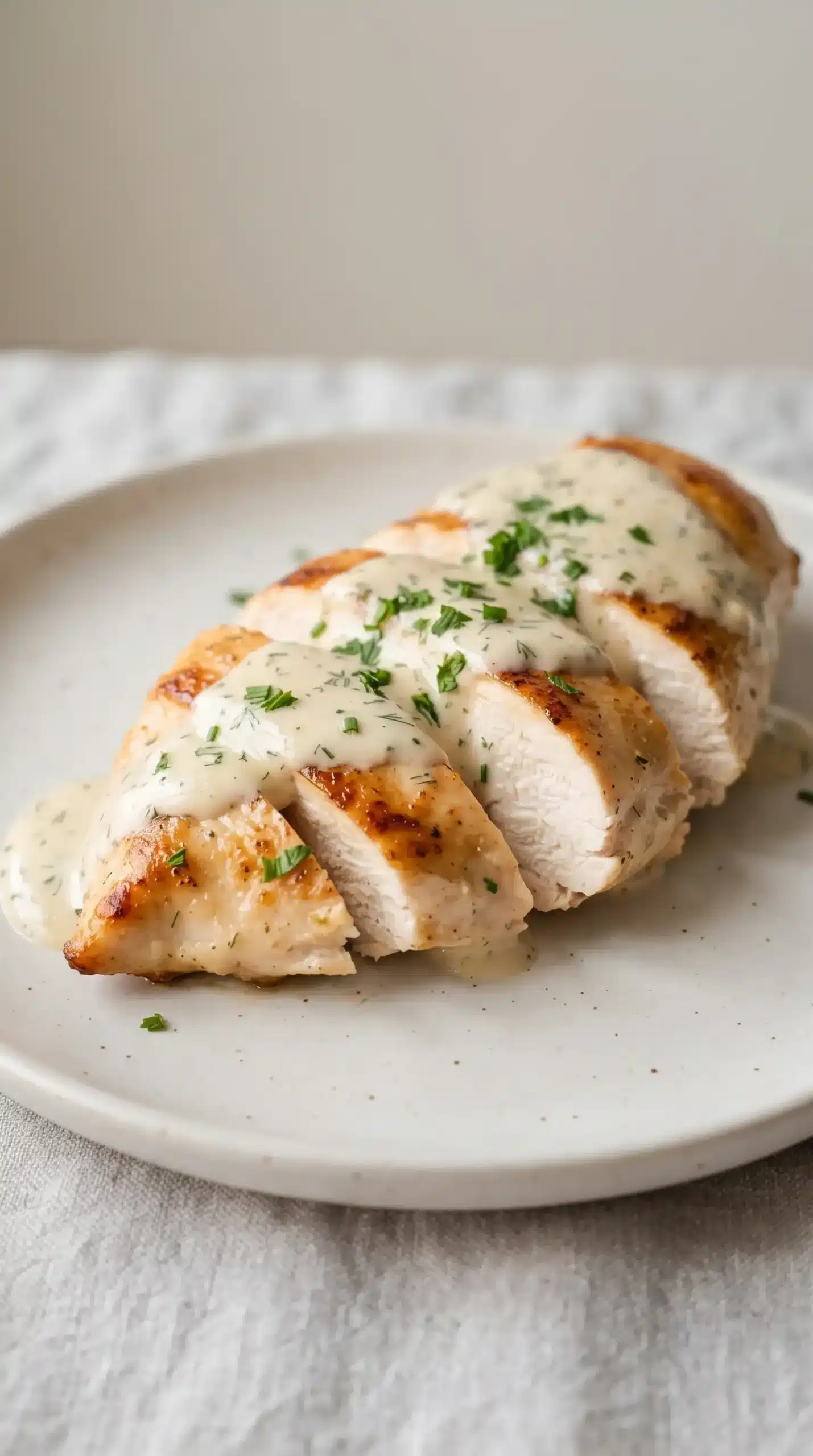
The creamy ranch coating makes this chicken well suited to simple pairings that allow the sauce to remain the focus. Fresh parsley added before serving provides a bright finishing contrast to the rich skillet flavors.
Understanding Sauce Temperature Prevents Separation
The texture of the ranch finish depends on controlled temperature after the dressing is added. The sauce needs enough warmth to combine with the pan flavors and thicken slightly, but excessive heat can interfere with the balance of its dairy and oil components.
A medium-low setting provides the environment needed for a smooth glaze. This slower warming process helps the sauce cling to the chicken while preserving the creamy appearance that defines the dish.
Temperature control also affects reheating and variations. Whether adding extra flavors or warming leftovers, gradual heat keeps the sauce more consistent than aggressive cooking methods.
Ranch Chicken Delivers Controlled Comfort From Simple Technique
Ranch Chicken succeeds because a familiar creamy ingredient is paired with deliberate skillet technique. The browned chicken surface, preserved pan flavors, and carefully warmed dressing work together to create a meal built around texture as much as taste.
Maintaining control over the sear and sauce temperature keeps the preparation reliable. The result is a creamy chicken dish where each part supports the final coating instead of competing with it.
Ranch Chicken Questions About Sauce, Cooking, and Storage
What is the best way to keep the ranch sauce from curdling?
The best approach is lowering the skillet heat before adding the dressing and keeping the sauce at a gentle simmer. Avoiding a rolling boil protects the dairy-based components and helps maintain a smooth finish.
Why should chicken breasts be pounded before cooking?
Pounding creates a more even thickness across the chicken breast, which helps the meat cook at a consistent rate. This reduces the difference between thinner edges and a thicker center during the searing process.
Can Ranch Chicken be made with chicken thighs?
Yes, boneless, skinless chicken thighs can replace the breasts for a more succulent version. The higher fat content of thighs pairs naturally with the creamy ranch sauce.
How can the sauce be fixed if it looks oily?
If separation begins, remove the pan from heat and whisk in a small amount of cold water or milk. This can help bring the sauce texture back together.
Can Ranch Chicken be baked instead of seared?
Baking is possible by placing the chicken in a dish, covering it with the dressing, and cooking at 400°F for 20–25 minutes. The main difference is that the pan-seared version develops additional flavor from the browned surface and skillet fond.
Ranch Chicken Recipe with Creamy Buttermilk Ranch Sauce
Ingredients
Method
- Place the chicken breasts between sheets of parchment paper and pound evenly to 3/4-inch thickness. Season both sides with sea salt and black pepper.
- Warm the olive oil in a heavy skillet over medium-high heat. Add the chicken breasts and cook for 5–7 minutes per side until browned and the internal temperature reaches 165°F / 74°C.
- Lower the skillet heat to medium-low, add the ranch dressing over the chicken, and mix in the browned bits from the skillet to create the sauce.
- Gently simmer the chicken and ranch sauce for 3–4 minutes until the sauce is heated and slightly thickened.
- Top the chicken with chopped parsley and serve with the creamy ranch sauce.