Peanut Butter Cookies Soft & Chewy with Dark Brown Sugar
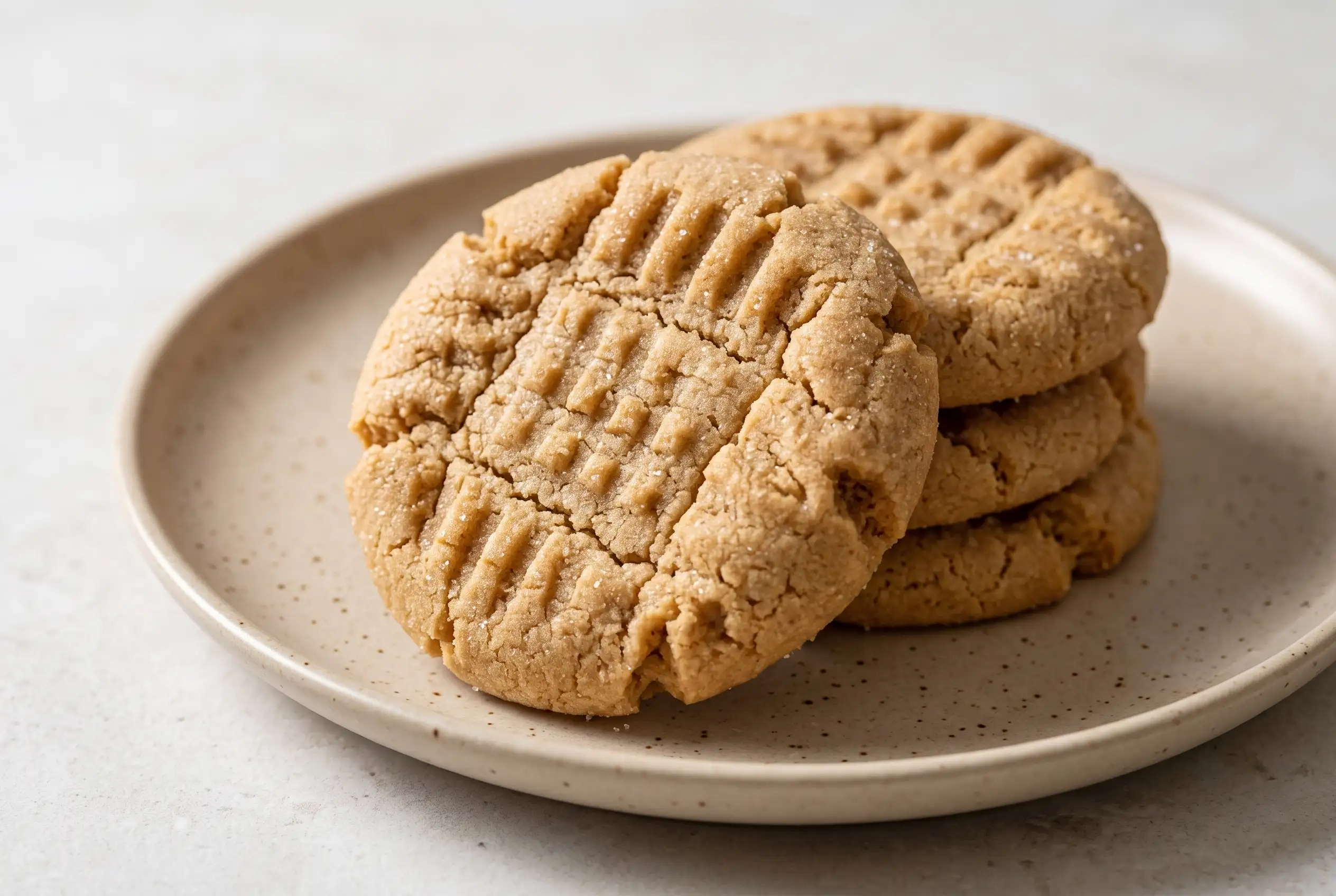
Peanut butter cookies become memorable when a tender center, gentle sweetness, and rich peanut flavor work together in every bite. This soft and chewy style focuses on balancing creamy peanut butter, butter, moisture-rich dark brown sugar, and careful baking control to create a flexible texture instead of a dry, crumbly result. The soft chewy peanut butter cookies recipe succeeds by treating each stage as a texture decision, from combining fats properly to removing the cookies while their centers still look slightly underbaked.
What Makes Peanut Butter Cookies Soft and Chewy
Texture begins with the relationship between fats, sugars, and flour. Peanut butter cookies can become dense because peanut butter contains concentrated solids and a strong flavor profile. The combination of creamy peanut butter with softened butter creates a smoother dough base where the fats can blend evenly before the dry ingredients are introduced.
Dark brown sugar plays a major role in maintaining a moist interior. Its molasses content contributes moisture because molasses and moisture are key parts of brown sugar’s effect in baked goods, helping the cookies stay flexible after cooling. Granulated sugar still has an important role because it supports sweetness and helps create the delicate exterior texture that surrounds the softer middle.
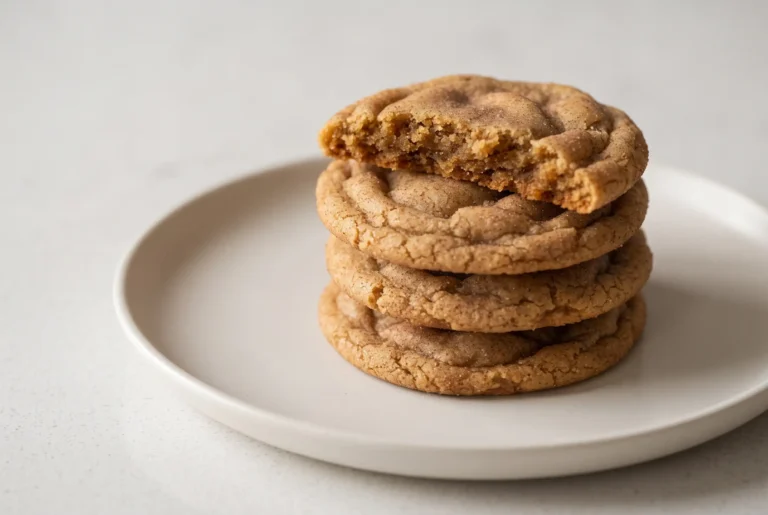
Careful baking completes the texture design. The cookies are removed when the edges have set while the centers remain slightly puffy, allowing the internal structure to finish stabilizing as they rest. That approach is what separates soft peanut butter cookies from versions that become firm after they cool.
Why Brown Sugar and Fat Create the Chewy Peanut Butter Cookies Texture
Balanced proportions are the foundation of a reliable peanut butter cookies recipe. Peanut butter naturally brings both fat and protein, so the surrounding ingredients need to support a texture that stays tender. The combination of dairy butter and peanut butter creates the richness needed for a satisfying crumb without allowing the cookies to become greasy.
Moisture management happens through the interaction of sugar and fat. Dark brown sugar holds moisture more effectively than dry sugars alone, helping maintain a softer bite. Recipes such as brown sugar cinnamon cookies rely on this ingredient choice to create a tender texture, while the fat content from butter and peanut butter supports the characteristic chew associated with premium peanut butter cookies.
Leavening also influences the final shape. Baking powder and baking soda work together to provide lift and controlled spread, giving the cookies enough structure while preserving their tender quality. The result is a cookie with substance that does not feel heavy or overly cake-like.
Choosing Ingredients for Better Peanut Butter Cookies
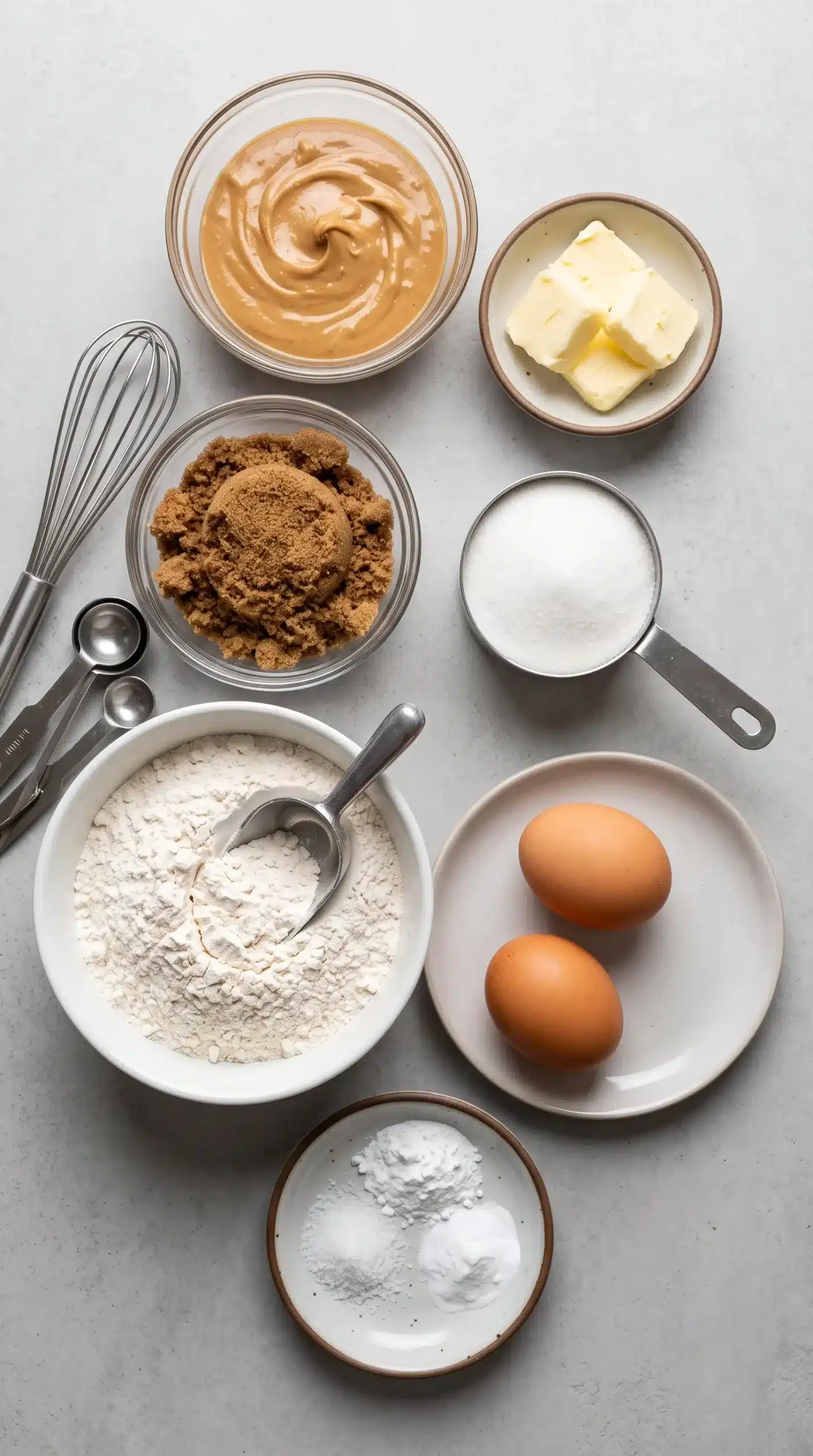
Ingredient selection directly affects consistency. Use creamy peanut butter with a stable emulsion instead of natural peanut butter that separates, because the dough depends on evenly distributed fats. Measuring flour accurately also helps protect the soft texture by preventing excess dryness from too much flour.
| Ingredient choice | Recommended approach | Texture effect |
|---|---|---|
| Peanut butter | Creamy, standard emulsion | Creates a consistent dough |
| Butter | Softened before mixing | Helps blend fats smoothly |
| Brown sugar | Dark brown sugar | Supports moisture and chew |
Dough Handling Controls the Soft Chewy Peanut Butter Cookies Recipe
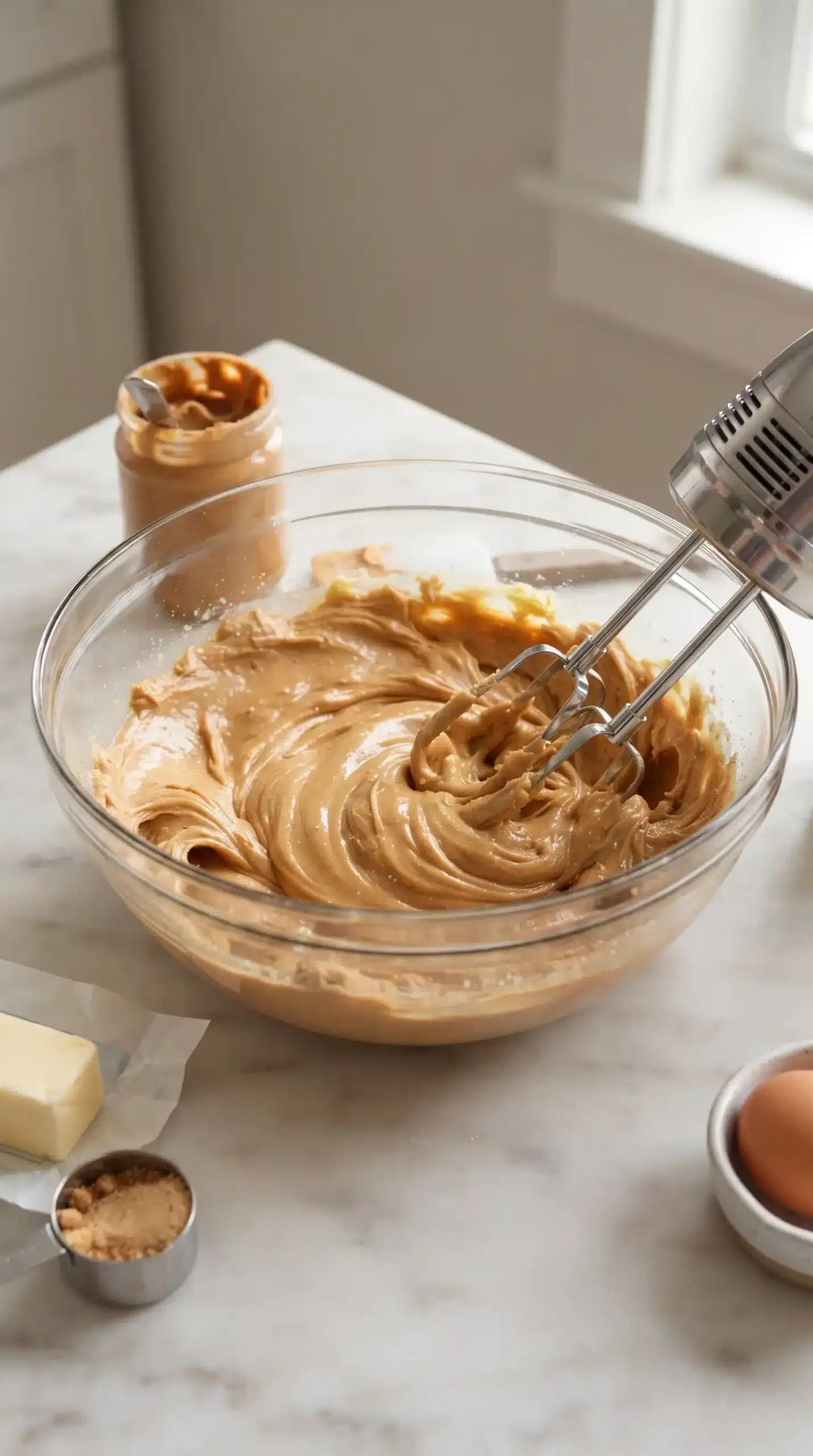
Proper mixing determines how the dough develops. Creaming the butter and peanut butter until the mixture becomes uniform helps prevent uneven fat pockets that could affect the finished bake. A smooth emulsion gives the remaining ingredients a stable foundation.
Adding eggs one at a time allows the mixture to maintain its structure. Room-temperature eggs blend more easily, creating a glossy batter before flour is added. If the mixture appears separated, continued mixing helps restore a smoother consistency.
Flour requires a lighter touch than the earlier mixing stages. Once the final streaks disappear, the dough is ready. Excessive mixing can encourage gluten development, which changes the texture from tender and soft to firmer and less delicate.
Sugar Coating Shapes the Cookie Exterior
Rolling the dough portions in reserved granulated sugar creates a thin exterior layer that adds a subtle crunch while helping protect the moist interior during baking. The coating also contributes to the classic appearance expected from homemade peanut butter cookies without requiring extra toppings.
Peanut Butter Cookies Mistakes That Steal the Soft Center
Over-baking is one of the most common problems with peanut butter cookies. Waiting until the centers appear fully cooked can push the texture past the ideal point, leaving the cookies more crumbly after cooling. Removing them while the centers still look slightly underdone preserves the intended softness.
Using separated natural peanut butter can also create inconsistent results. The separated oils and solids do not provide the same stability as a standard creamy peanut butter emulsion. Choosing the correct peanut butter helps the dough maintain a balanced structure.
Incorrect flour measurement can quietly change the outcome. Too much flour absorbs available moisture and can make the finished cookies dry. Using a scale for the flour amount helps maintain the intended dough balance and protects the chewy texture.
- Cold eggs: Bring eggs to room temperature so the dough mixture blends smoothly.
- Heavy mixing: Stop once the flour disappears to keep the cookies tender.
- Skipped salt: Keep fine sea salt in the dough to balance the sweetness.
Homemade Peanut Butter Cookies Variations With Purpose
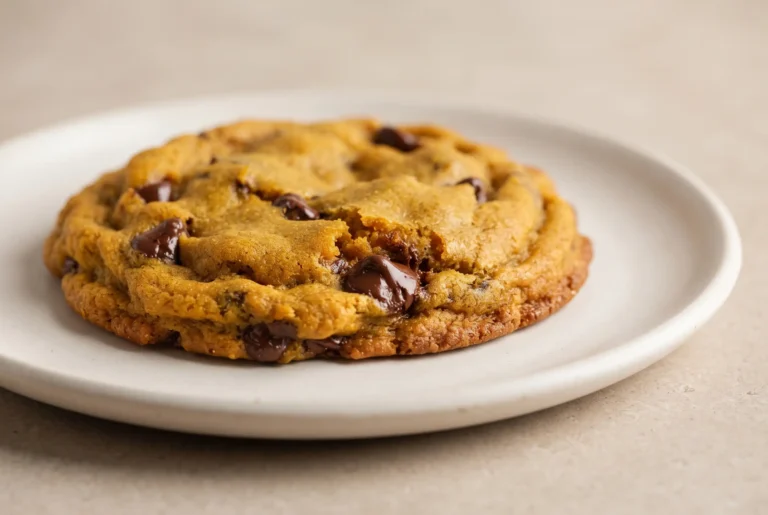
Small changes can create new versions while keeping the original structure recognizable. Semi-sweet chocolate chips can be folded into the dough for a richer combination, while crunchy peanut butter changes the texture by adding more noticeable peanut pieces.
Storage Practices Preserve Peanut Butter Cookies Freshness
Proper storage helps maintain the soft texture after baking. Keeping the cookies in an airtight container at room temperature protects them from drying out and allows their moisture balance to remain stable.
A slice of white bread placed in the container can help maintain softness because the cookies absorb moisture from the bread. This method supports the flexible texture that makes peanut butter cookies different from crisp varieties.
Freezing is also suitable when longer storage is needed. Frozen cookies can be thawed at room temperature before serving, while gentle reheating can soften the fats and restore a fresh-baked texture.
The Science of the Pale-Set Bake Finish
Baking appearance provides important information during the final stage. Peanut butter contains protein that contributes to quick browning, so judging doneness only by color can lead to an overly firm cookie.
Watching the edges and center together gives a better indication of readiness. Set edges with slightly puffy centers show that the cookies have developed enough structure while still retaining moisture inside.
Resting on the baking tray after removal allows the cookies to stabilize. The remaining heat continues shaping the internal crumb without exposing the dough to additional oven heat.
Measuring Flour Protects Peanut Butter Cookies Texture
Flour measurement has an outsized effect on cookie quality. Weighing the flour amount provides a more dependable dough balance than inconsistent cup measurements, helping prevent a dry result and keeping the finished cookies closer to their intended soft texture.
Serving and Finishing Choices for Peanut Butter Cookies
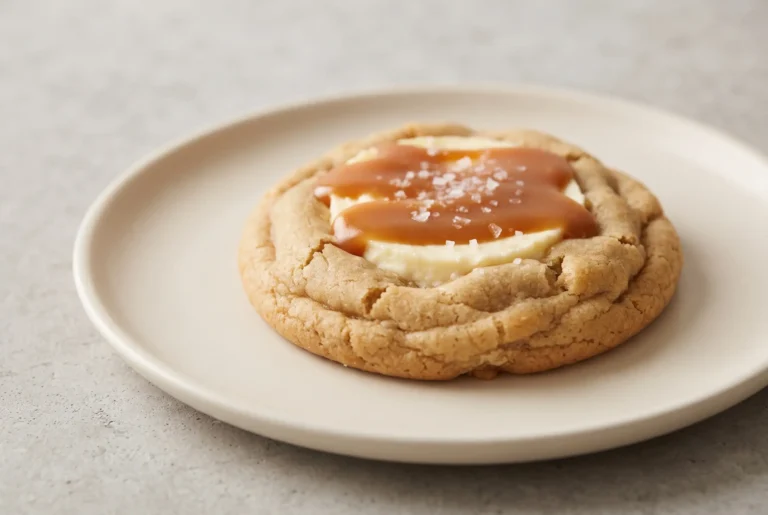
Finishing touches can highlight the flavor balance of the cookies. A light sprinkle of flaky sea salt after baking adds contrast and enhances the savory character already present in peanut butter.
Peanut Butter Cookies Stay Soft Through Careful Balance
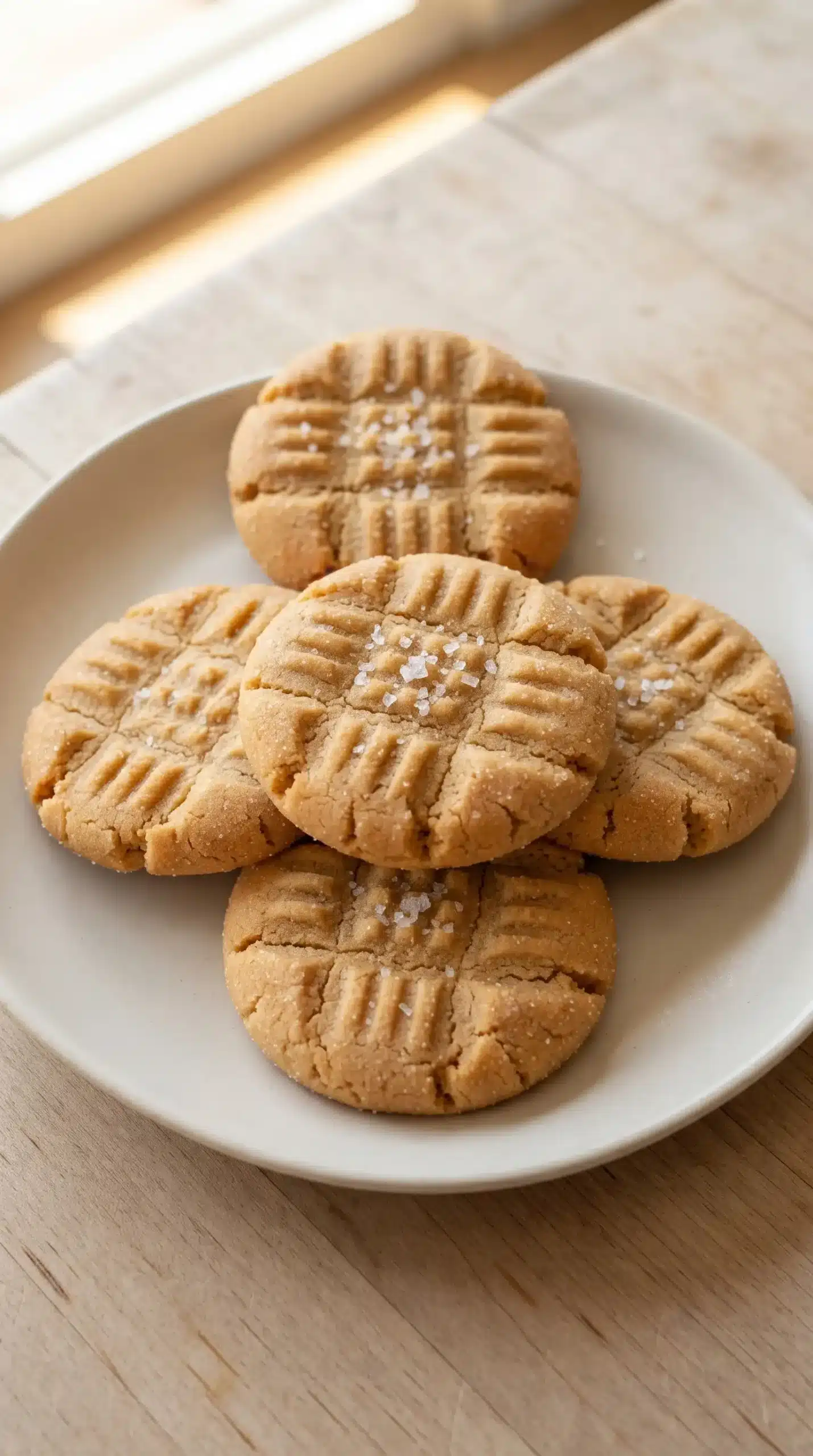
Peanut butter cookies achieve their best texture when fat integration, moisture retention, and baking judgment work together. The creamy peanut butter and butter mixture creates the base, while dark brown sugar supports the chewy center that defines this style.
The finished cookies depend on restraint during the last moments of baking. Removing them at the right visual stage and allowing them to rest preserves the soft interior that makes this approach to peanut butter cookies successful.
Peanut Butter Cookies Questions About Dryness and Baking
Why do my peanut butter cookies turn out dry?
Dry cookies usually result from too much flour or baking too long. Measuring flour carefully and removing the cookies while the centers still appear slightly underdone helps maintain a softer texture.
Can I use natural peanut butter for peanut butter cookies?
Natural peanut butter with separated oil is not recommended for this style because the dough relies on a stable emulsion. A standard creamy peanut butter provides more consistent results.
Why should the cookies rest on the tray after baking?
The resting period allows the internal structure to stabilize after leaving the oven. This helps the cookies finish setting while keeping the center tender.
What makes the soft chewy peanut butter cookies recipe different from a crisp cookie?
The combination of dark brown sugar, balanced fats, and careful bake timing creates a flexible interior instead of a brittle texture. The cookies are designed to stay moist after cooling.
Can I add chocolate chips to peanut butter cookies?
Semi-sweet chocolate chips can be folded into the dough to create a chocolate and peanut flavor variation while keeping the original cookie structure.
Peanut Butter Cookies Soft & Chewy with Dark Brown Sugar
Ingredients
Method
- Combine the softened butter and creamy peanut butter in a large bowl and beat until evenly blended.
- Mix in the dark brown sugar and 1/2 cup granulated sugar, then continue mixing for 2 minutes until fully combined.
- Add the eggs one at a time, mixing after each addition, then blend in the vanilla extract until smooth.
- Stir the baking powder, baking soda, and fine sea salt into the wet mixture until evenly incorporated.
- Gradually mix in the all-purpose flour just until no dry flour streaks remain.
- Portion the dough into 2-tablespoon scoops, shape each portion into a ball, and roll the dough balls in the reserved granulated sugar.
- Arrange the sugar-coated dough balls on a parchment-lined baking sheet and bake at 350°F / 175°C for 10–12 minutes until the edges are set and the centers are slightly puffy.
- Add flaky sea salt to the warm cookies if desired, then leave them on the baking sheet for 10 minutes before moving them to a wire rack.