Thick Chocolate Chip Cookies Bakery Style 9-Step Recipe
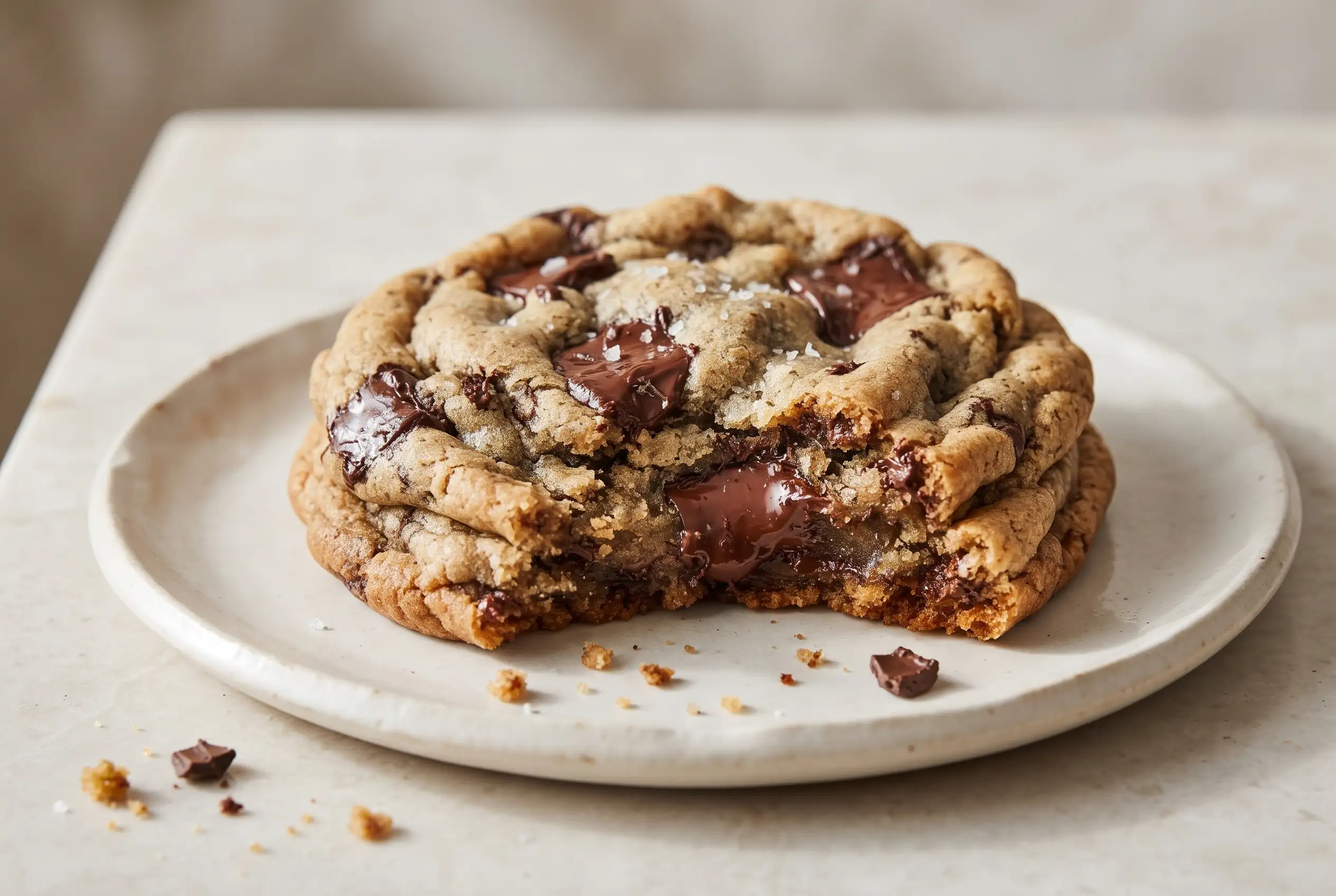
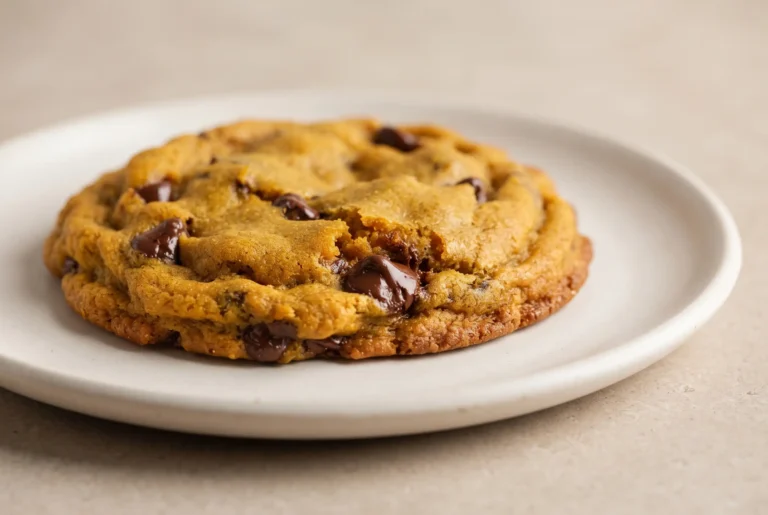
Thick chocolate chip cookies deliver the bakery-style height, rich chocolate pockets, and soft center that define an oversized cookie experience. The ultra thick chocolate chip cookies recipe uses melted butter, a strong flour structure, and chilled dough to create a tall shape that resists spreading while maintaining a dense, chewy interior.
Thick Chocolate Chip Cookies Create a Bakery-Style Center
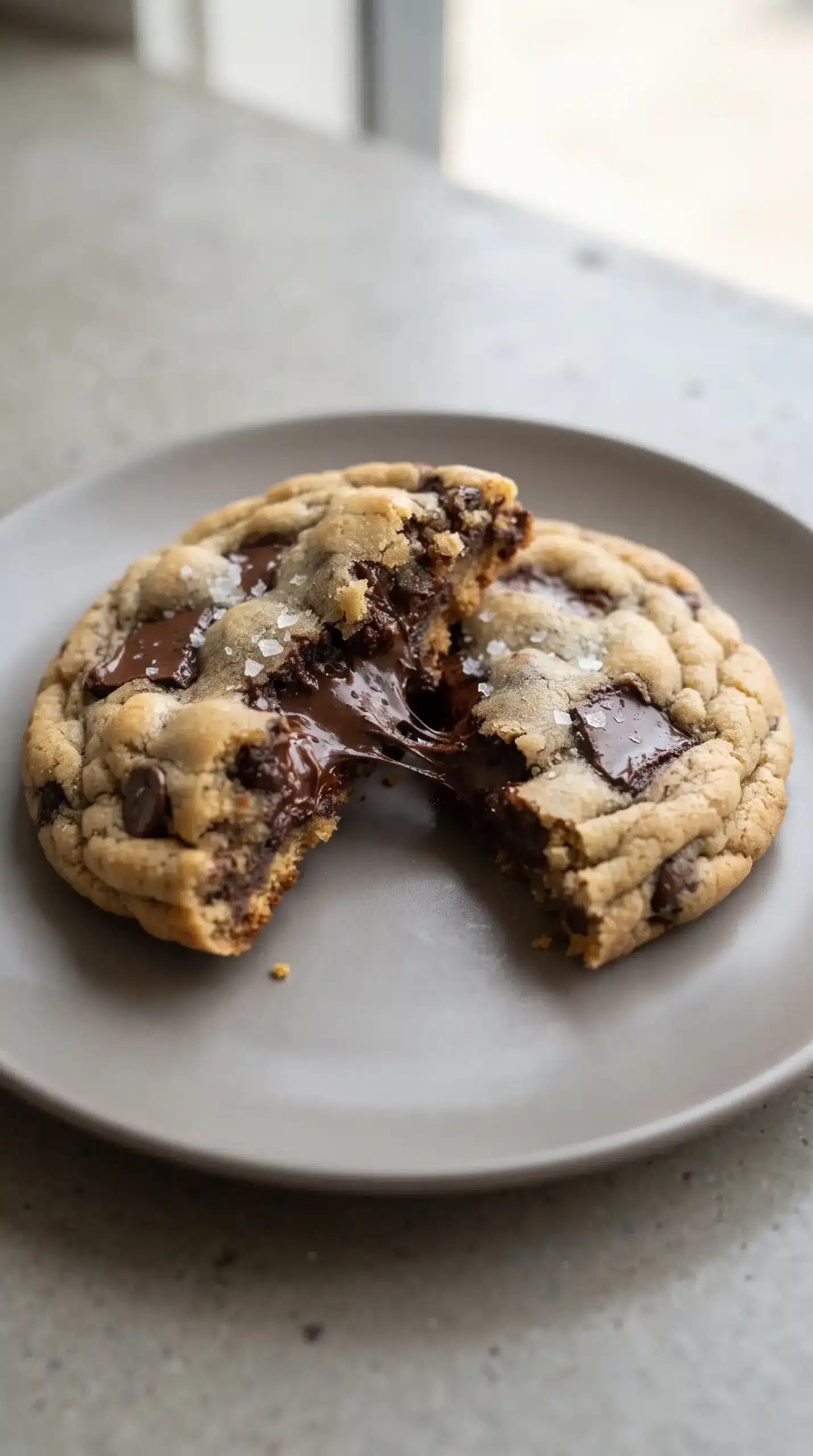
These oversized cookies stand apart because their structure is built before they ever reach the oven. Melted butter creates a denser dough because less air is incorporated during mixing, allowing the baked cookie to develop a fudgy crumb instead of a light, cakey texture.
Inside the thick chocolate chip cookies, the center remains soft because the tall dough mound slows heat movement. The edges can become set and golden while the interior continues to hold a molten chocolate texture during the early cooling period.
Dense cookie textures depend on keeping enough moisture in the dough while building structure around the center. Recipes for soft-centered chocolate cookies use a rich chocolate base to create a tender interior that complements the texture goals of bakery-style cookies.
Across the baking process, height depends on several connected choices. A generous amount of flour supports the dough, the cold starting temperature delays spreading, and the rough shape helps create the rugged appearance associated with bakery style chocolate chip cookies.
Melted Butter and Flour Balance Shape Thick Chocolate Chip Cookies
Ingredient selection matters most when creating a cookie that keeps its vertical profile. The combination of melted unsalted butter, brown sugar, white sugar, eggs, and vanilla creates a rich base, while the flour quantity provides the framework needed for a substantial cookie.
Brown sugar contributes moisture that supports chewiness, while granulated sugar helps create the surface texture during baking. Together, the sugars work with melted butter to produce the dense consistency expected from thick chewy chocolate chip cookies.
Flour accuracy has a direct effect on the finished shape. Measuring the flour carefully helps maintain the intended balance between fat and structure, preventing a dough that spreads too easily before the exterior can set.
| Component decision | Effect on the cookie |
|---|---|
| Melted butter | Creates a denser, fudgier crumb |
| Higher flour ratio | Supports height and reduces spreading |
| Large chocolate chip quantity | Maintains rich chocolate-filled sections |
Chocolate Chip Choices Define the Cookie Texture
Chocolate selection changes the eating experience because the dough contains a large amount of semi-sweet and dark chocolate chips. A mix of chocolate sizes and cocoa percentages creates varied pockets throughout the cookie while supporting the bold bakery style finish.
Cold Dough Protects the Tall Cookie Structure
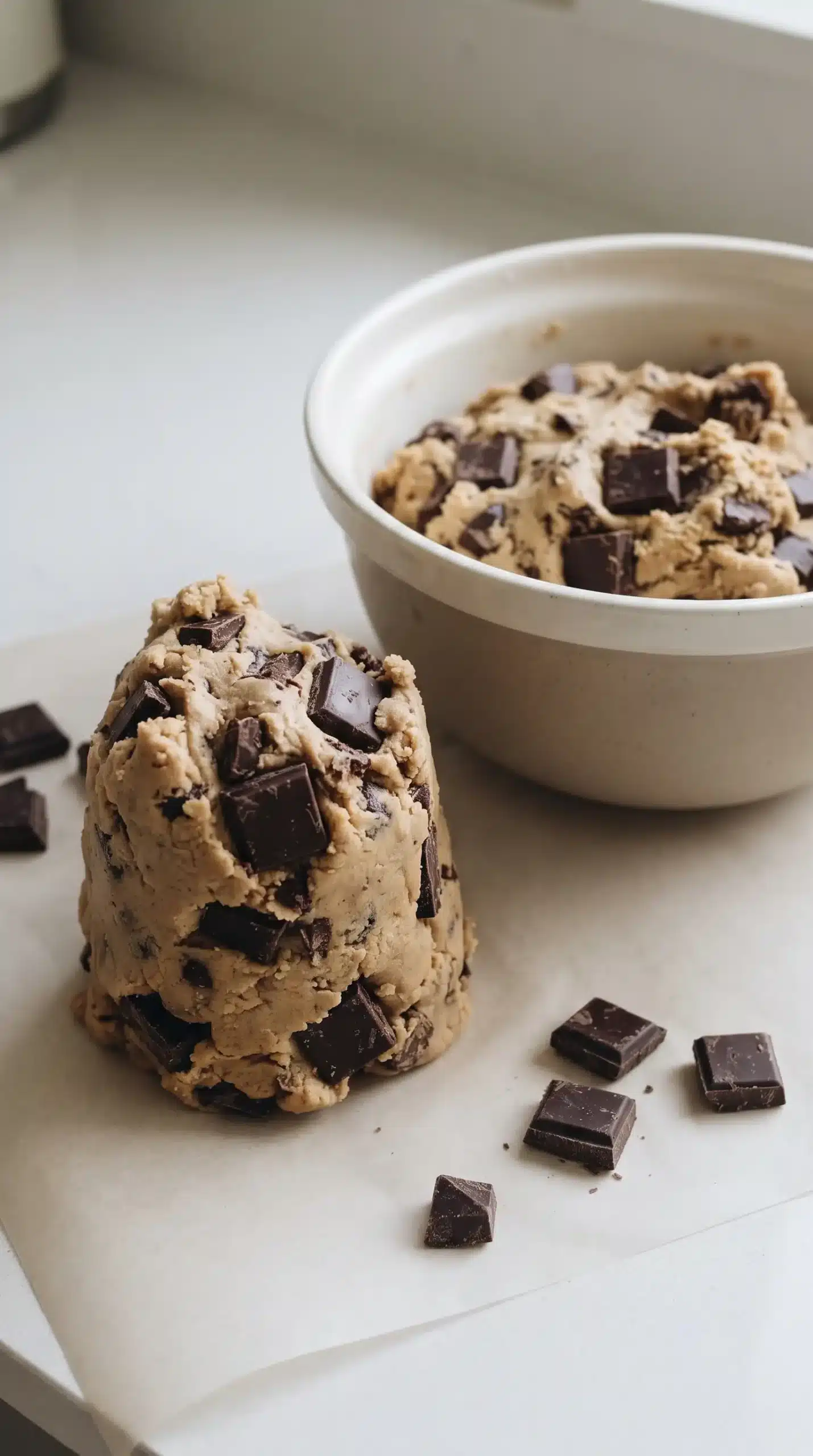
Chilling the dough gives the flour time to hydrate and allows the fats to firm before baking begins. This preparation step helps the cookies hold their shape because chilling cookie dough controls spread by keeping the fat solid longer as the cookies enter the oven.
During baking, temperature control creates the contrast between the outside and center. The cold dough enters a hot oven, allowing the exterior to establish structure while the thick middle remains soft and rich.
Successful thick chocolate chip cookies depend on watching visual cues during baking. Removing the cookies when the edges are set and golden keeps the center tender, while continued baking can reduce the signature soft interior.
Shaping Decisions Build the Signature Bakery Profile
Tall, jagged dough portions create the recognizable bakery appearance. Keeping the portions rough instead of smoothing them into flat rounds allows the cookies to develop craggy surfaces and preserve their height throughout baking.
Avoid These Thick Chocolate Chip Cookies Mistakes
Common problems usually come from changing the balance that creates the tall structure. Using inaccurate flour amounts can leave the dough too weak, causing excessive spread even when the chilling step is completed correctly.
Another issue appears when the dough is pressed flat before baking. Flattening removes the height that protects the center, making it harder to achieve the thick chewy chocolate chip cookies texture associated with this style.
Improper oven temperature can also affect the outcome. A cooler oven may allow the butter to melt before the flour structure sets, creating a flatter cookie with less defined edges.
- Flour control: Measure carefully to preserve the intended dough strength.
- Dough handling: Keep the shaped portions tall and textured.
- Oven accuracy: Confirm the baking environment reaches the required heat.
Baking Heat Determines the Soft Interior
Controlled baking creates the contrast that makes these cookies memorable. The oven temperature allows the outside to develop color and stability while the thick center remains slightly soft when removed.
Salt and Finishing Touches Refine the Bite
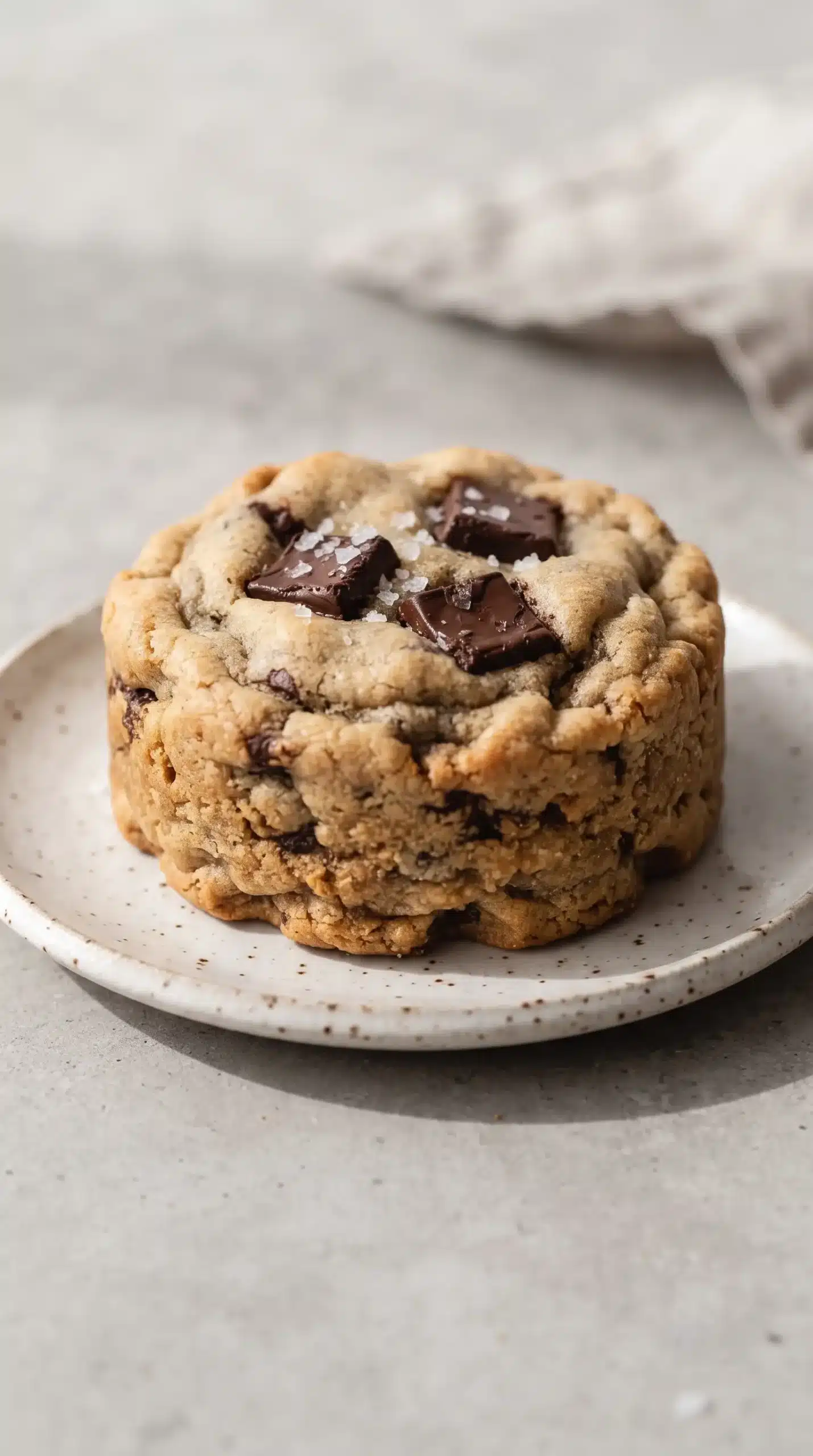
Finishing warm cookies with extra chocolate chips and flaky sea salt adds visual appeal and sharp flavor contrast. The finishing step highlights the chocolate-rich character without changing the dense structure created during mixing and baking.
Variations Change the Bakery Style Experience
Small adjustments can shift the flavor profile while keeping the core structure intact. Adding instant espresso powder deepens the chocolate notes, creating a more intense dessert character without replacing the primary cookie flavor.
Walnuts introduce a contrasting texture through toasted pieces folded into the dough. Their earthy flavor works alongside the chocolate chips and provides another layer within the thick cookie.
Brown butter offers another direction by adding toasted aromas before the dough is prepared. Cooling the browned butter before mixing maintains the technique of using a melted fat base while bringing additional nutty notes.
Storage Keeps Thick Chocolate Chip Cookies Soft
Room temperature storage works well because the sugar and fat content helps maintain softness over time. An airtight container protects the cookies from drying out while preserving their chewy texture.
For longer storage, baked cookies can be frozen, and raw dough portions can also be stored for later baking. Frozen dough can go directly into the oven with a small adjustment to baking time.
Reheating restores the warm chocolate experience. A short oven refresh can bring back a softer center and a crisp exterior, while microwave heating may affect the texture and reduce the cookie’s structure.
Serving Moments Highlight the Chocolate Center
These large cookies are designed to showcase their size and texture. Their tall profile, visible chocolate chips, and soft center make them suited for presentations where a classic bakery appearance is desired.
Flour Measurement Prevents Thin Cookie Results
Accurate flour measurement is one of the most important decisions for maintaining cookie thickness. The flour amount determines how effectively the dough can resist spreading as the butter melts during baking.
Baking Precision Completes the Ultra Thick Chocolate Cookies Recipe
Careful execution transforms simple ingredients into a cookie with controlled height, balanced texture, and a rich chocolate finish. The relationship between chilled dough, flour structure, and oven timing determines whether the cookies keep their bakery-style form.
Ultra Thick Chocolate Chip Cookies Stand Tall Through Controlled Technique
Thick chocolate chip cookies succeed when each structural choice works together. The melted butter method, measured flour balance, tall shaping, and careful baking temperature create the defining contrast of firm edges and a soft chocolate-filled center.
Mastering these decisions produces a consistent cookie that reflects the qualities expected from premium bakery style chocolate chip cookies. The process depends on preserving the dough structure from preparation through cooling.
Thick Chocolate Chip Cookies Questions and Texture Answers
Why do thick chocolate chip cookies stay tall?
The height comes from the combination of a higher flour-to-fat balance, chilled dough, and tall shaping before baking. These factors help the cookie establish structure before the butter can cause excessive spreading.
Why did my cookies flatten after chilling?
Flattening can happen when flour measurements are inaccurate, the oven temperature is too low, or the dough portions are shaped too thin. Maintaining the intended structure before baking is essential for the tall result.
Can bread flour be used for a chewier texture?
Replacing part of the all-purpose flour with bread flour can increase protein content and create a more substantial chew. The change keeps the cookie style aligned with a dense bakery texture.
How should these cookies be reheated?
Warming the cookies in a low oven helps revive the soft chocolate center and crisp exterior. This approach protects the texture better than microwave reheating.
What makes the chocolate flavor stronger?
Using a combination of semi-sweet and dark chocolate chips creates deeper flavor variation. Adding espresso powder is another option because it enhances chocolate notes without changing the main cookie identity.
Thick Chocolate Chip Cookies Bakery Style
Ingredients
Method
- Combine the melted butter, light brown sugar, and granulated sugar in a large bowl and whisk until the mixture is smooth and the sugars begin to blend.
- Mix in the eggs and vanilla extract, whisking for about 60 seconds until the mixture looks lighter and glossy.
- In a separate bowl, whisk together the all-purpose flour, baking soda, and fine sea salt.
- Add the dry mixture gradually to the butter mixture and stir with a spatula just until combined.
- Fold the chocolate chips into the dough until they are spread throughout.
- Cover the dough and refrigerate for at least 30 minutes.
- Preheat the oven to 350°F / 175°C, then portion the dough into about 1/3 cup amounts and shape each portion into a tall, rough cylinder.
- Arrange the dough portions on a parchment-lined baking sheet and bake for 12-15 minutes until the edges are set and golden while the centers stay slightly soft.
- Add extra chocolate chips to the warm cookies, sprinkle with flaky sea salt, and cool them on the baking sheet for at least 10 minutes before serving.