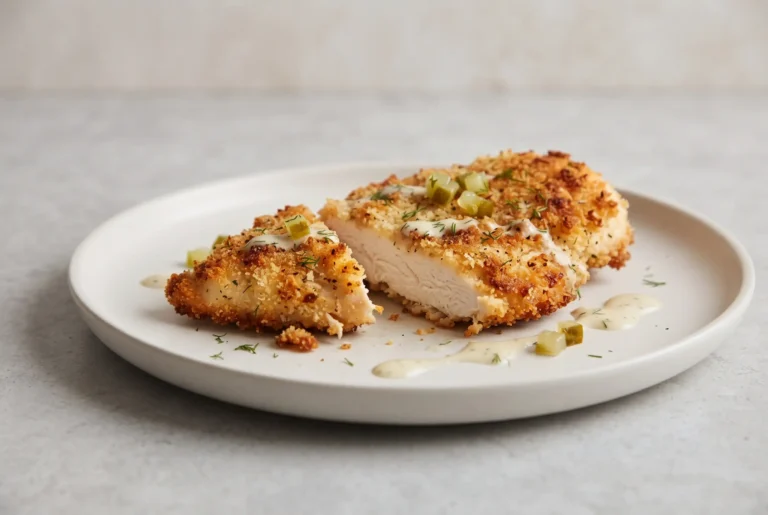
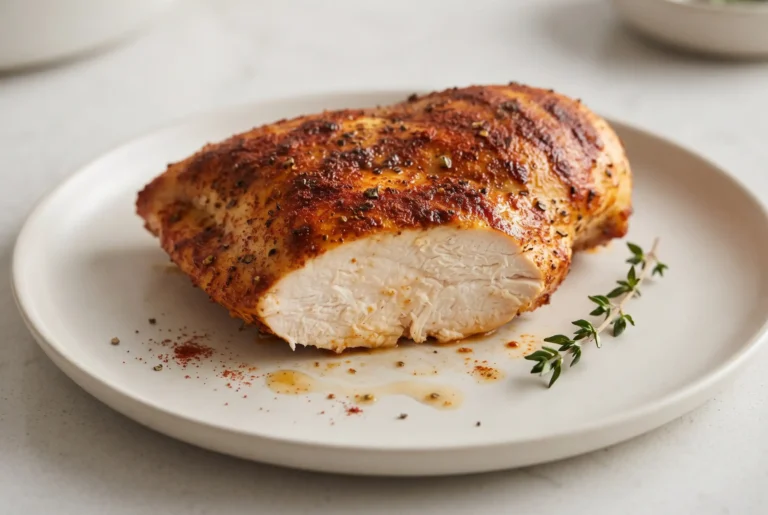
White Wine Sauce Chicken Recipe with Parmesan Cream
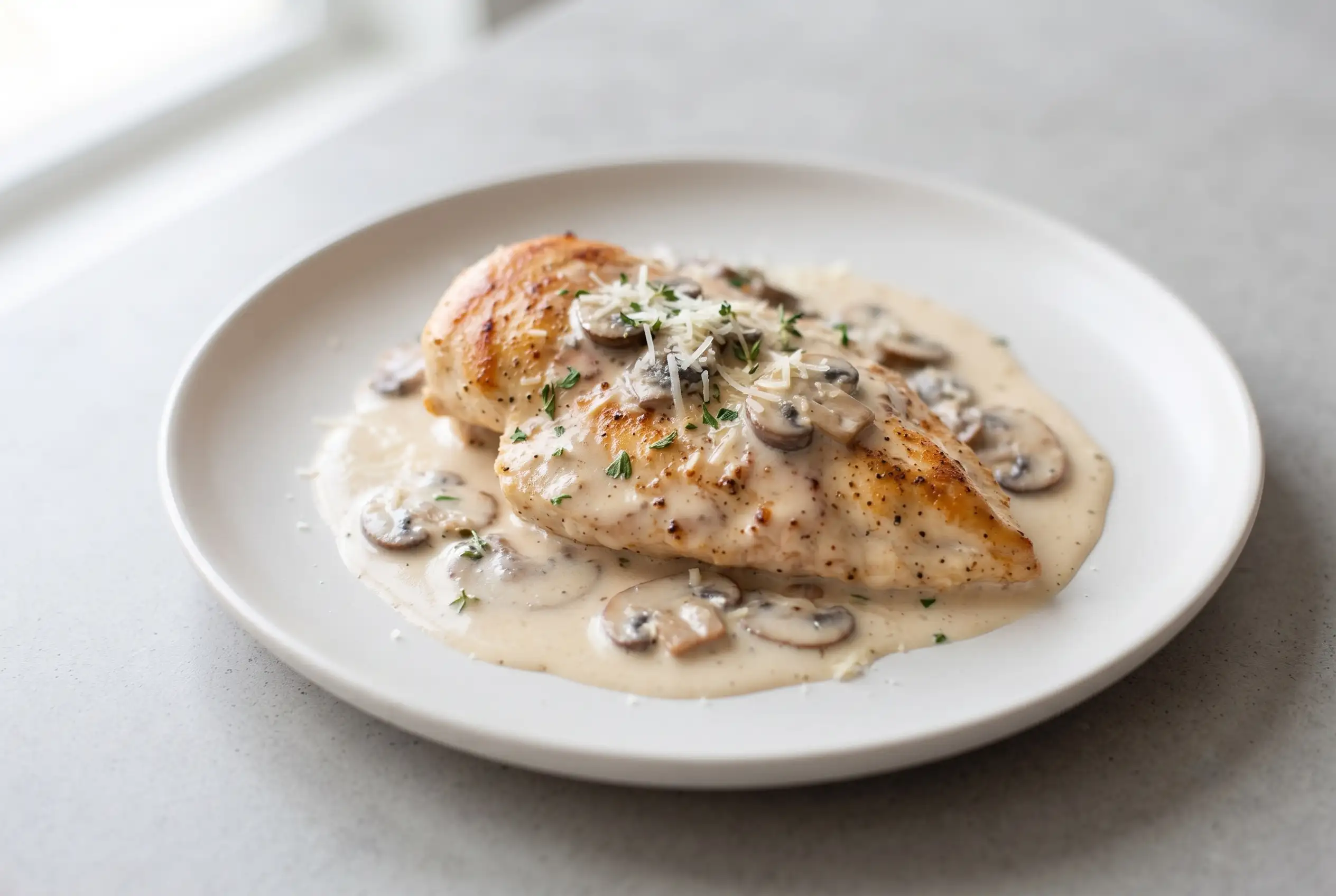
Chicken in white wine sauce brings pan-seared chicken breasts together with a reduced white wine cream finish that turns simple skillet cooking into a polished dinner. The dish relies on browned chicken, concentrated pan flavors, and careful sauce handling to create a creamy texture without losing the bright character of dry white wine.
Why Chicken in White Wine Sauce Balances Cream and Acidity
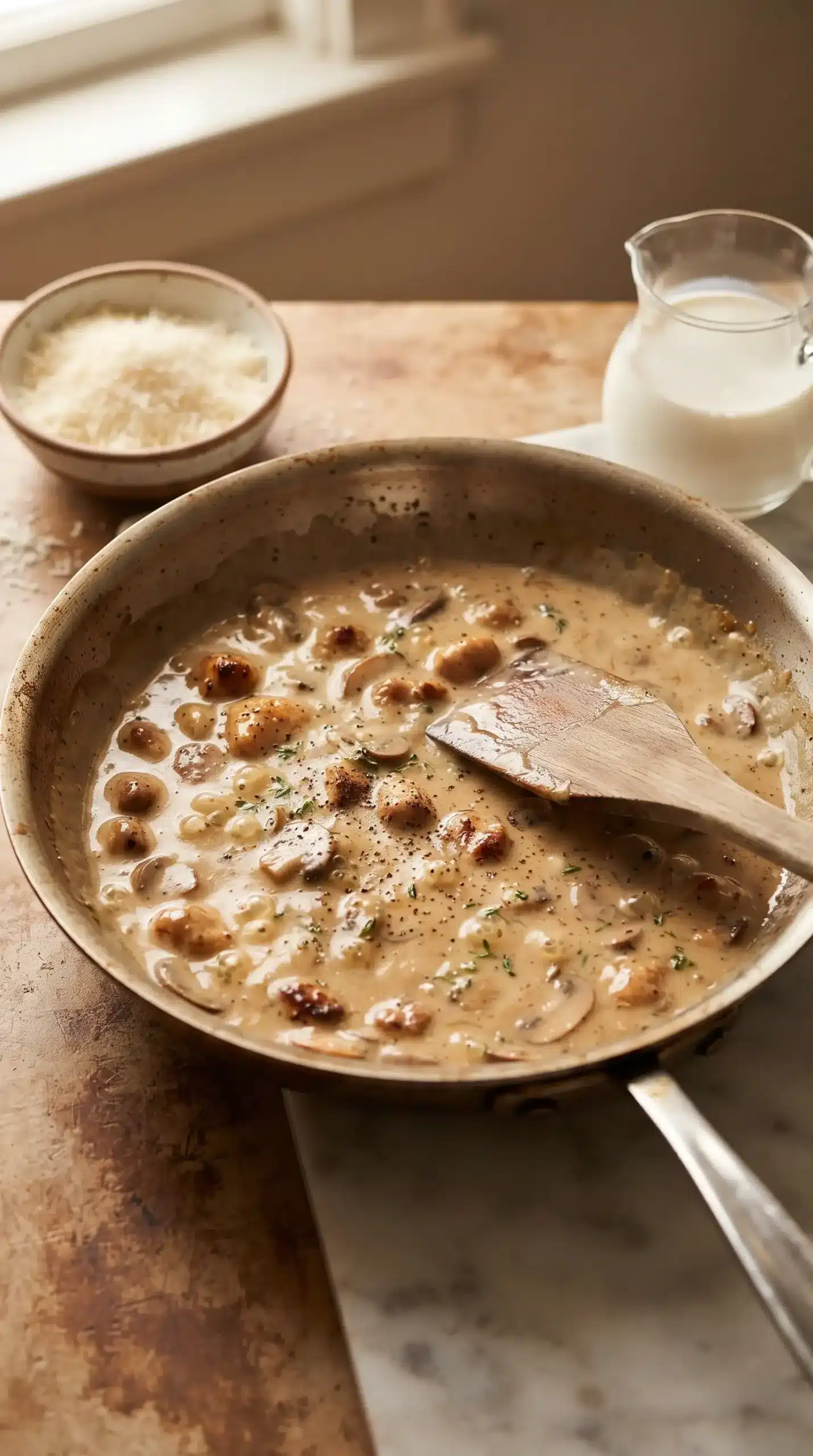
Successful chicken in white wine sauce depends on the relationship between the wine reduction and the dairy-based finish. The dry white wine first captures the savory browned pieces left behind from searing, creating a concentrated foundation that supports the cream instead of allowing it to feel overly heavy.
Careful reduction changes the character of the sauce before the cream enters the skillet. Simmering the wine concentrates its flavor while softening sharp alcohol notes, leaving a balanced acidity that works with the richness of Parmesan and heavy cream.
Finished sauce texture comes from controlled heat and gradual blending. The cream and cheese create a glossy coating when gently combined, while lemon juice added near the end provides a fresh contrast that keeps each bite balanced.
Dry White Wine and Parmesan Shape the Sauce Character
Ingredient choices define the personality of this creamy chicken white wine sauce recipe. A dry white wine such as Pinot Grigio or Sauvignon Blanc supports the savory profile, while freshly grated Parmesan helps create body, flavor depth, and a smooth finish when incorporated carefully.
Pan Searing Decisions Build the Best Chicken Texture
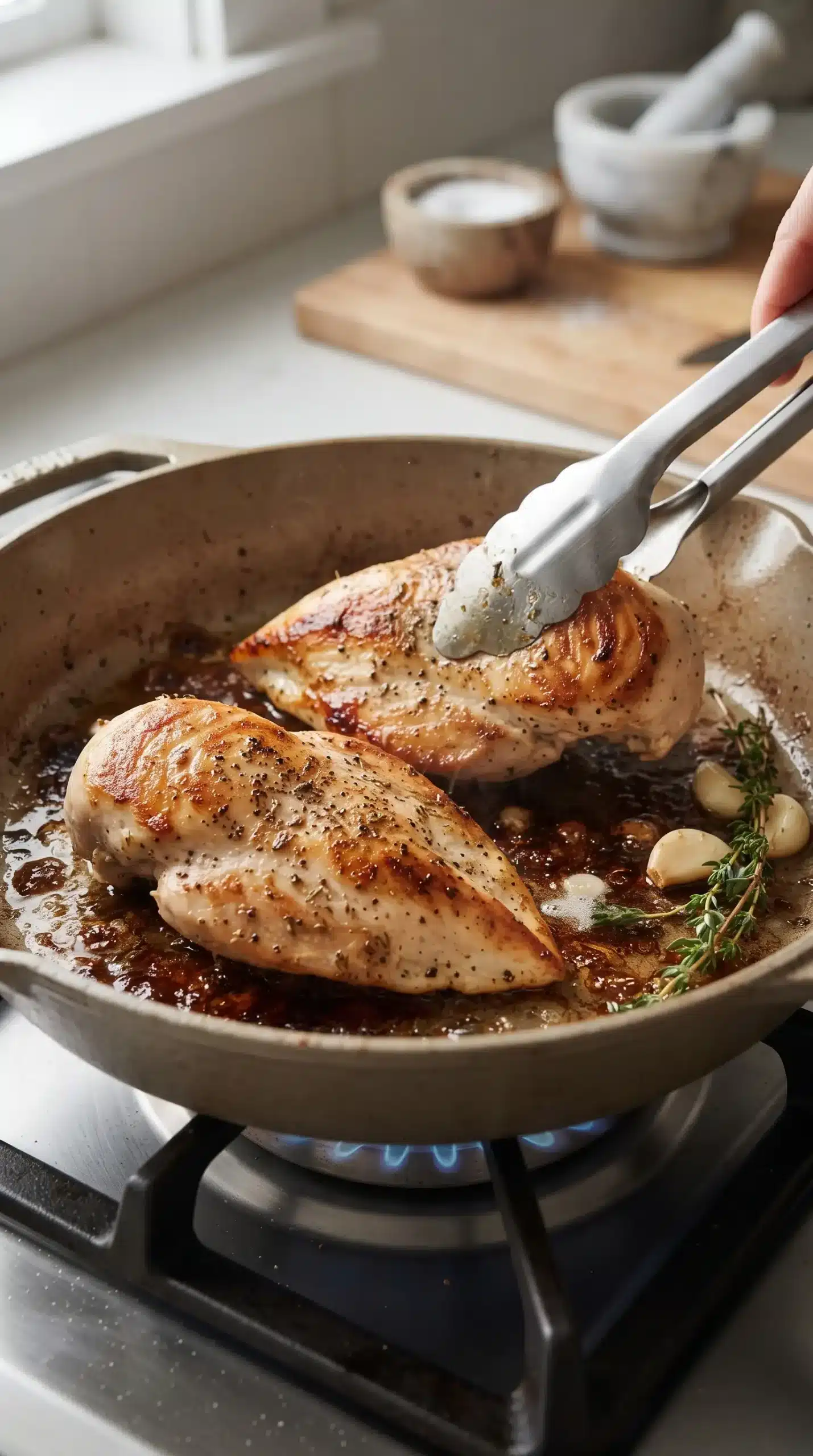
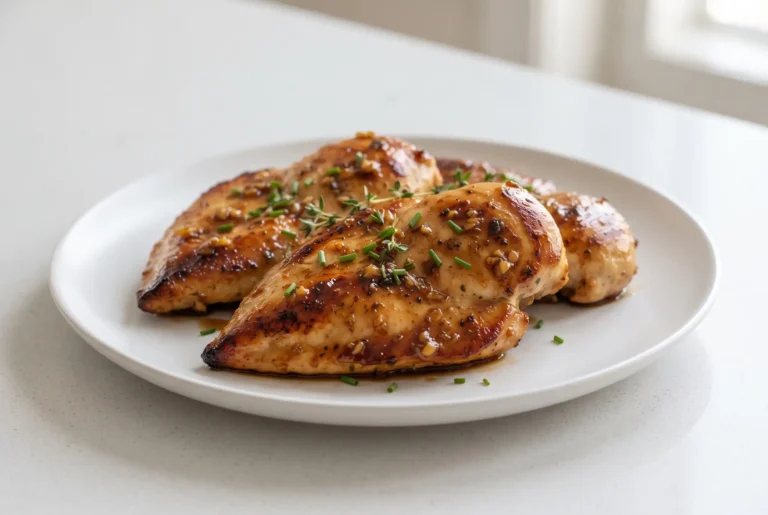
Proper preparation before searing creates the first layer of flavor. Drying the chicken surface helps encourage stronger browning, allowing the skillet to develop the deep golden crust that becomes the starting point for the sauce.
Medium-high heat provides the environment needed for a flavorful exterior while keeping the chicken ready to finish cooking later in the sauce. The browned surface and remaining pan fond become valuable parts of the finished dish instead of being discarded.
The browned pieces left behind after searing provide more than color; they form the savory foundation of the finished sauce when liquid is added through a process where deglazing lifts fond into sauce, concentrating the flavors developed in the skillet.
Resting the seared chicken while the sauce begins allows the skillet to be transformed without overcooking the meat. Returning the chicken with its juices lets the gentle simmer complete the cooking process while adding extra savory notes.
Cooking Controls Protect the White Wine Cream Sauce
Temperature management separates a smooth chicken in white wine sauce from a broken or grainy finish. Heavy cream and Parmesan need gentle treatment after they enter the pan because excessive heat can damage the emulsion that creates the sauce’s silky texture.
Lower heat during the creamy stage allows the cheese to integrate gradually and helps maintain a glossy consistency. A steady simmer supports the sauce while avoiding the aggressive bubbling that can make dairy-based sauces unstable.
Kitchen attention matters most during the final stage. A digital thermometer confirms that the chicken reaches 165°F, while visual checks of sauce thickness help determine whether the coating has reached the desired consistency.
Common Chicken in White Wine Sauce Mistakes to Avoid
Several small errors can affect the quality of chicken in white wine sauce, especially during the transition from seared meat to creamy finishing sauce. Keeping the pan and temperature under control prevents the most common texture problems.
- Boiling the cream sauce: High heat after adding dairy and Parmesan can cause separation and a less smooth texture.
- Skipping the fond: Washing the skillet after searing removes the browned pieces that build the sauce’s savory foundation.
- Choosing sweet wine: Sweet varieties can shift the balance away from the intended dry, savory flavor profile.
- Adding lemon too early: Finishing with lemon juice preserves its bright effect without overwhelming the creamy base.
Corrections depend on what appears in the skillet. A thin sauce can be reduced briefly after removing the chicken, while a thick sauce can be loosened with a small amount of chicken broth to restore its texture.
Serving Choices Complete the Pan Sauce Experience
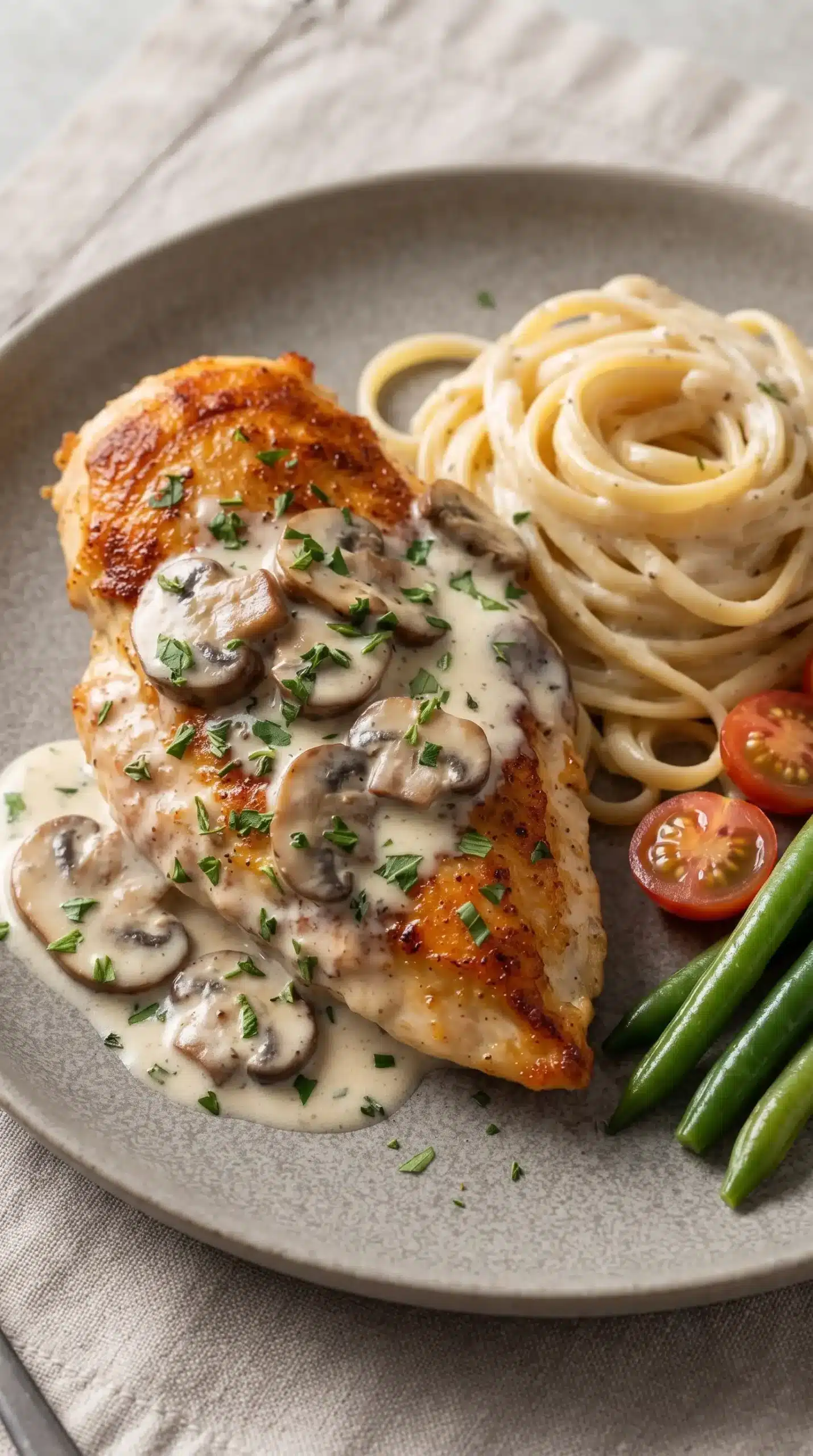
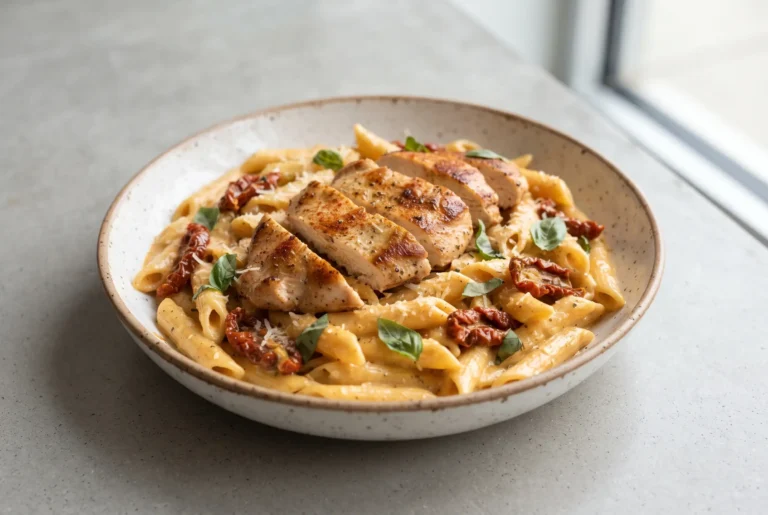
Starchy sides pair especially well with chicken in white wine sauce because they capture the creamy coating. Al dente pasta or buttery mashed potatoes complement the rich finish, while green beans or a crisp salad provide a lighter contrast.
Variations That Change Chicken in White Wine Sauce
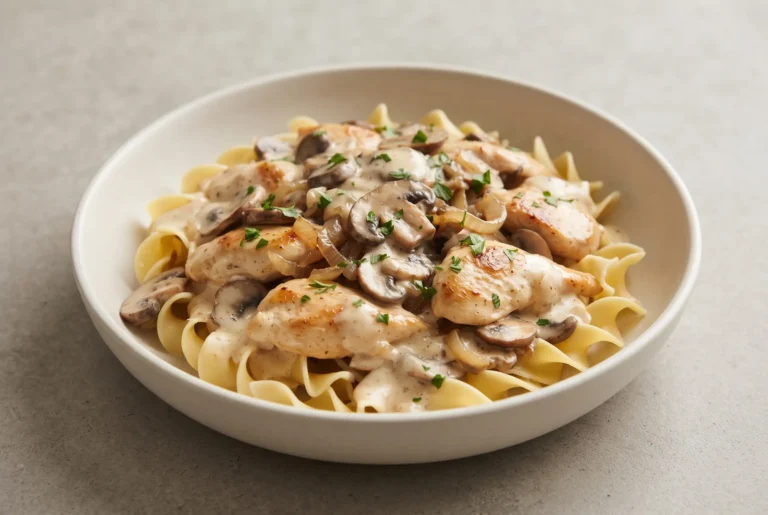
Recipe variations can shift the texture and flavor while keeping the same skillet foundation. Boneless chicken thighs create a more succulent option, sliced cremini mushrooms add earthy depth during the garlic stage, and creamy white wine mushroom chicken combines mushrooms with a reduced wine sauce for a richer variation. Fresh thyme or tarragon can introduce additional herbal notes during the cream reduction.
Storage Choices Preserve Creamy Chicken White Wine Sauce
Leftover chicken in white wine sauce should be stored in an airtight glass container to help protect the quality of both the meat and sauce. The cream-based coating naturally becomes thicker as it cools.
Freezing is possible for longer storage, although the cream emulsion may separate slightly after thawing. A small splash of fresh cream whisked in during reheating can help bring back a smoother texture.
Gentle reheating keeps the chicken tender and protects the sauce consistency. Low heat in a skillet works best, and adding a teaspoon of water or broth can restore some of the original silkiness.
Sauce Texture Checks for Chicken in White Wine Sauce
Understanding the sauce stage makes it easier to adjust the finished consistency before serving. The following guide highlights common observations and the actions that match each result.
| Observation | Likely Situation | Helpful Adjustment |
|---|---|---|
| Glossy coating that clings | Sauce has reached a smooth nappe texture | Serve with the chicken while maintaining gentle heat |
| Thin liquid consistency | Too much moisture remains after simmering | Remove chicken and briefly reduce the sauce |
| Very thick coating | Sauce has concentrated too far | Whisk in a tablespoon of chicken broth |
Kitchen Tools That Support Consistent Results
A heavy-bottomed skillet, wooden spatula, and digital probe thermometer provide the practical control needed for pan searing, deglazing, and checking safe doneness. These tools support the techniques that define a reliable 30 minute chicken in white wine sauce without adding unnecessary complexity.
Flavor Decisions Behind a Restaurant-Style Chicken Skillet
Restaurant-style results come from layering flavor at each stage instead of relying on one ingredient alone. The initial sear develops the chicken’s browned exterior, the wine captures the concentrated skillet flavors, and the cream-based finish ties those elements together.
Another important choice is timing. Garlic is briefly cooked before the wine is introduced, allowing its aroma to develop without dominating the sauce. Parmesan enters later, where it can contribute richness and help create the finished texture.
Balanced seasoning keeps the dish focused. Salt and pepper establish the savory base, dry wine contributes acidity, and lemon provides a final lift that prevents the creamy elements from becoming overwhelming.
Chicken in White Wine Sauce Shows the Power of Gentle Reduction
Chicken in white wine sauce succeeds when the skillet preserves the contrast between browned poultry, bright wine reduction, and smooth cream. Controlled simmering allows each element to remain distinct while creating a unified sauce that coats every piece of chicken.
The cooking judgment behind this dish centers on restraint. Maintaining gentle heat after adding cream and Parmesan protects the texture, while careful reduction ensures the wine contributes depth and balance to the finished pan sauce.
Chicken in White Wine Sauce Questions About Sauce Stability
What is chicken in white wine sauce?
Chicken in white wine sauce is a French-style inspired skillet dish featuring pan-seared chicken finished in a reduced sauce made with dry white wine, aromatics, heavy cream, and Parmesan cheese. The method combines browning and gentle braising to create a creamy finish.
How do I prevent the sauce from curdling?
Prevent curdling by lowering the heat before adding the cream and Parmesan, then keeping the sauce at a gentle simmer. Avoiding a rolling boil helps protect the smooth dairy emulsion.
Can I use chicken thighs instead of breasts?
Boneless chicken thighs can replace chicken breasts for a more succulent variation. The same white wine cream sauce technique can be used while allowing the darker meat to provide a different texture.
Which white wine works best for this sauce?
Dry white wines such as Pinot Grigio or Sauvignon Blanc fit the flavor profile because they provide acidity without adding sweetness. Sweet wines can shift the balance of the savory sauce.
What sides work well with chicken in white wine sauce?
Pasta, mashed potatoes, green beans, and crisp salads pair well because they either absorb the creamy sauce or provide a fresh contrast to the rich skillet finish.
Chicken in White Wine Sauce with Parmesan Cream
Ingredients
Method
- Pat the chicken breasts dry, then season both sides with sea salt and black pepper.
- Warm the olive oil in a heavy skillet over medium-high heat. Sear the chicken breasts for 5–6 minutes per side until browned, then transfer them out of the skillet.
- Reduce the heat to medium and cook the minced garlic in the same skillet for about 60 seconds until fragrant.
- Add the white wine and loosen the browned pieces from the bottom of the skillet. Simmer until the wine has reduced by half.
- Decrease the heat to medium-low, add the heavy cream and Parmesan cheese, and gently whisk until the cheese is melted and the sauce is smooth.
- Place the chicken breasts and any accumulated juices back into the skillet. Simmer gently for 10–15 minutes until the chicken reaches an internal temperature of 165°F / 74°C.
- Mix in the fresh lemon juice, finish with chopped parsley, and serve.