Chicken Francese Recipe with Lemon Butter Sauce and Wine
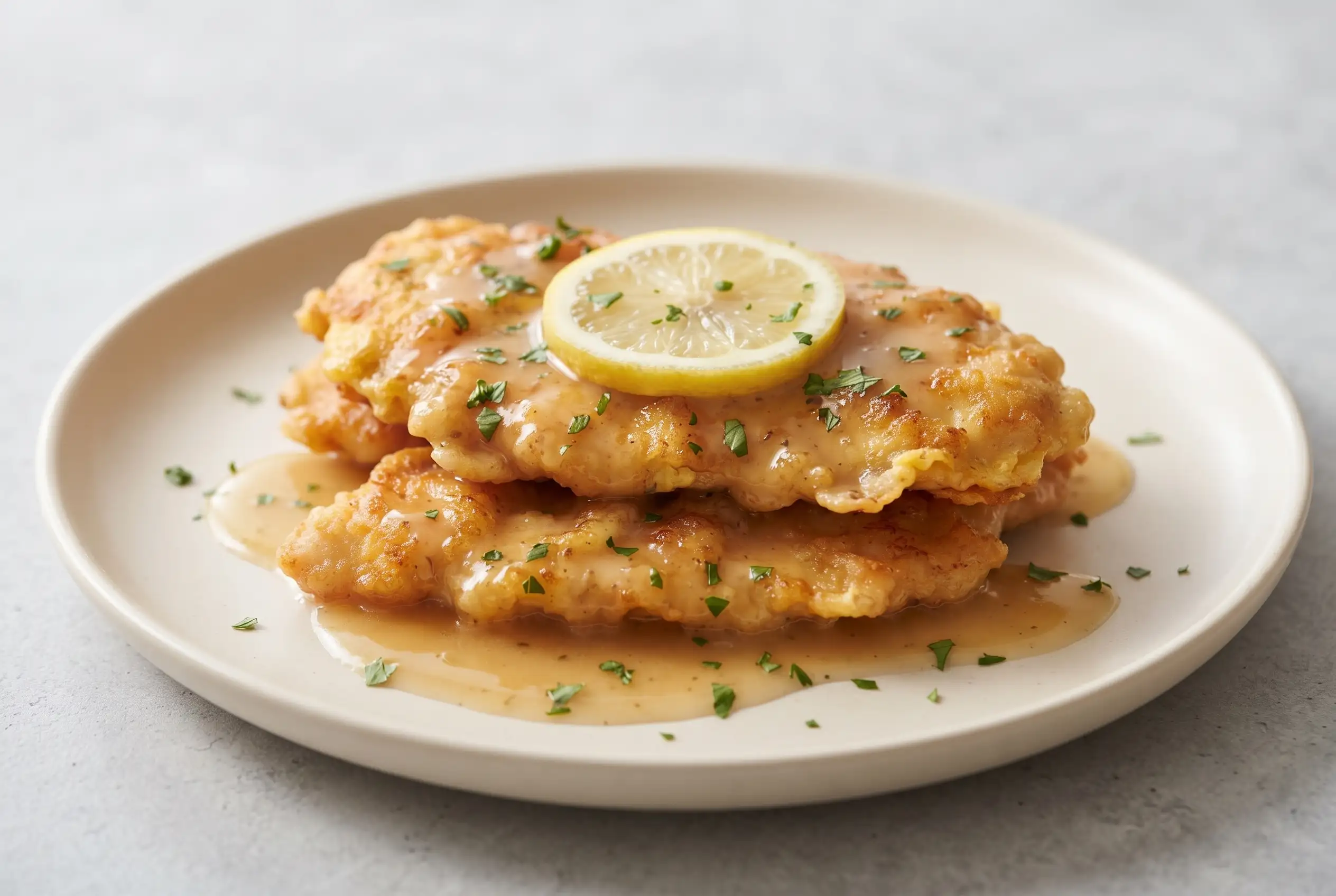
Chicken Francese Recipe: 4-Step Ultimate Buttery Classic (Light, Lemony & Slightly Rich) brings together tender chicken cutlets, a golden egg coating, and a silky lemon-butter sauce built with white wine and chicken broth. The Italian-American chicken recipe is recognized for its contrast of textures: a delicate exterior captures the bright sauce while the chicken remains the centerpiece.
A successful chicken francese recipe depends on controlling the relationship between the egg wash, pan heat, and finishing sauce. The technique creates a dish that feels refined without relying on complicated ingredients, using careful preparation to transform familiar pantry staples into a polished skillet dinner.
Why Chicken Francese Recipe Creates Its Signature Balance
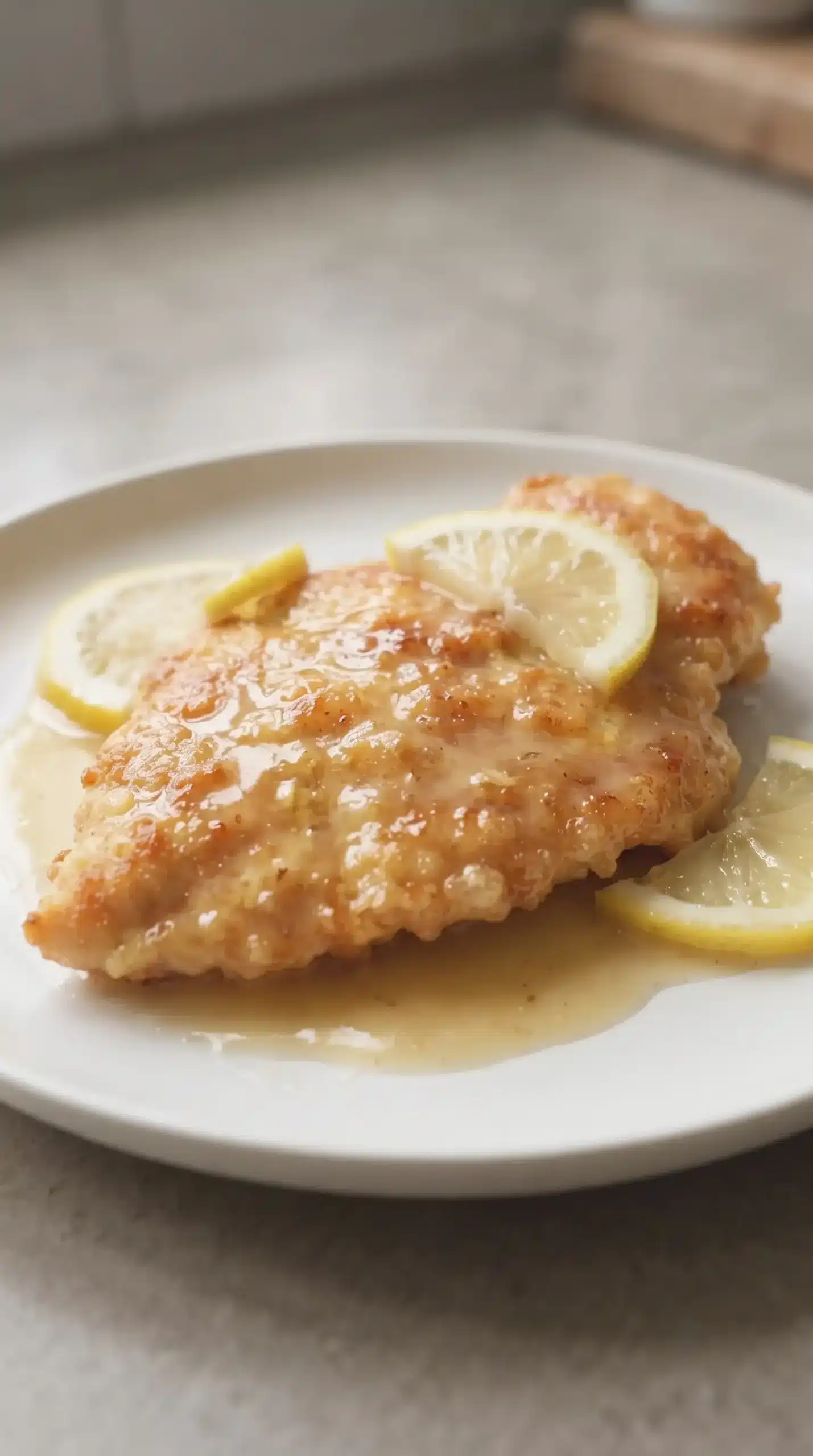
The defining feature of classic chicken francese is the interaction between the egg-coated chicken and the lemon butter chicken francese sauce. The flour layer gives the egg wash a surface to cling to, allowing the coating to develop a light structure during searing. That porous exterior helps the sauce settle into the surface instead of simply flowing away.
Controlled cooking temperature shapes the texture of the finished cutlets. Medium heat allows the egg coating to become golden while protecting the chicken from drying during the pan-searing stage. The result is a contrast between a tender center and a delicate outer layer that carries the flavors of the sauce.
Balanced acidity separates this dish from heavier skillet preparations. Dry white wine, chicken broth, and fresh lemon juice combine with cold butter to create a sauce that feels rich while maintaining a bright finish. The combination gives a chicken francese recipe its recognizable character.
Egg Coating Gives Chicken Francese Its Delicate Crust
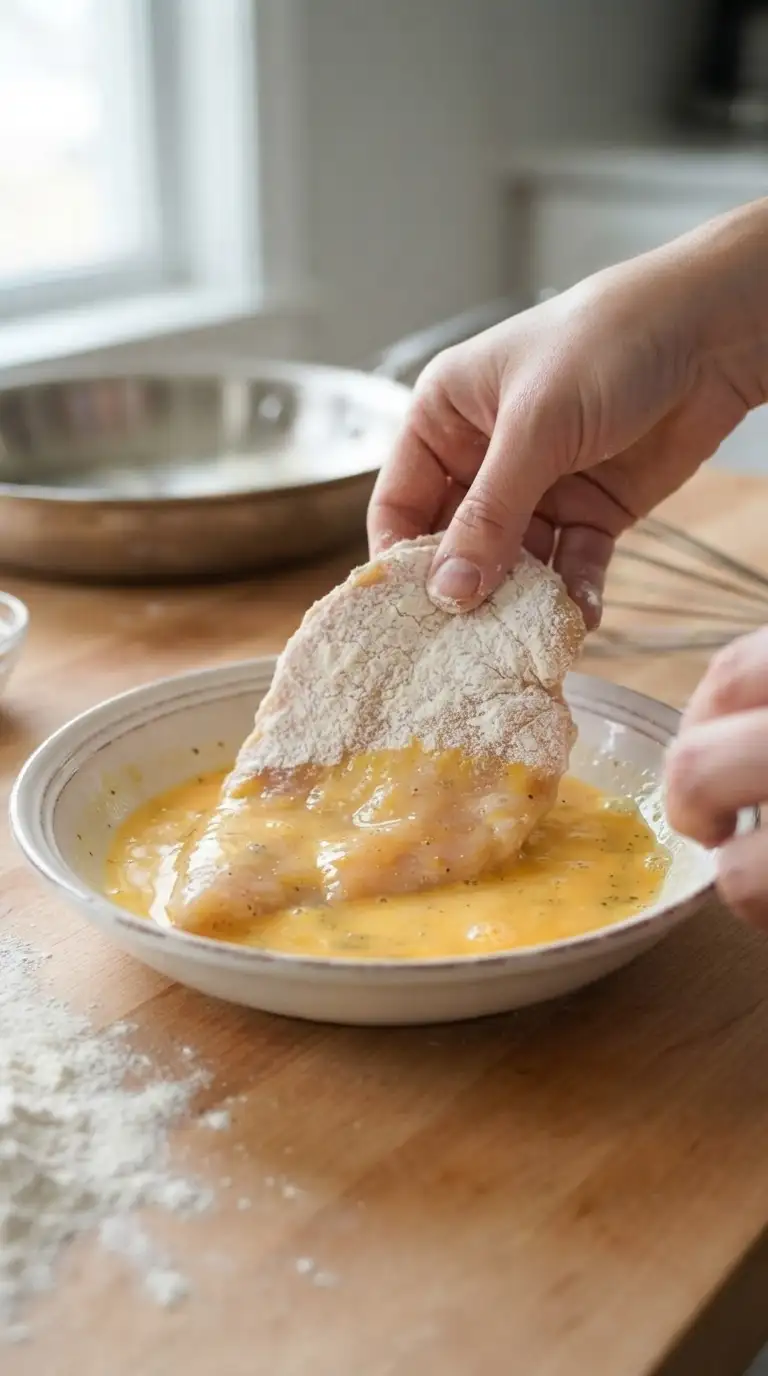
Egg wash is the element that distinguishes Chicken Francese from ordinary flour-dredged chicken. Whisking the eggs thoroughly creates an even coating, while dipping the floured cutlets afterward forms the layer that browns in the skillet.
Lemon Butter Sauce Builds the Italian-American Finish
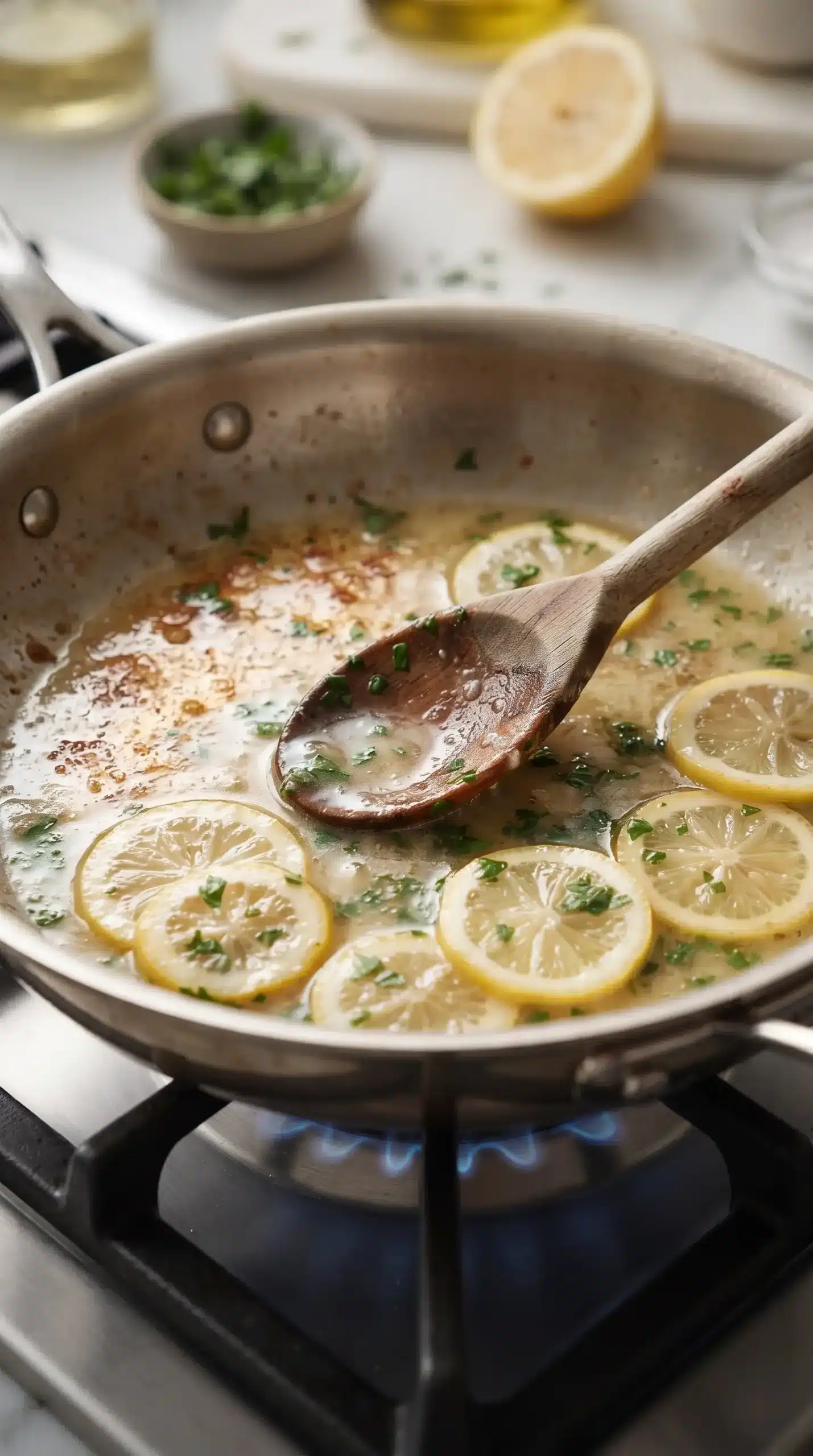
The sauce develops its flavor from several stages of pan work. Searing the lemon slices first allows their surface to interact with the skillet before the liquid ingredients are introduced. The browned pieces left behind in the pan become part of the sauce foundation after the white wine deglazes the surface.
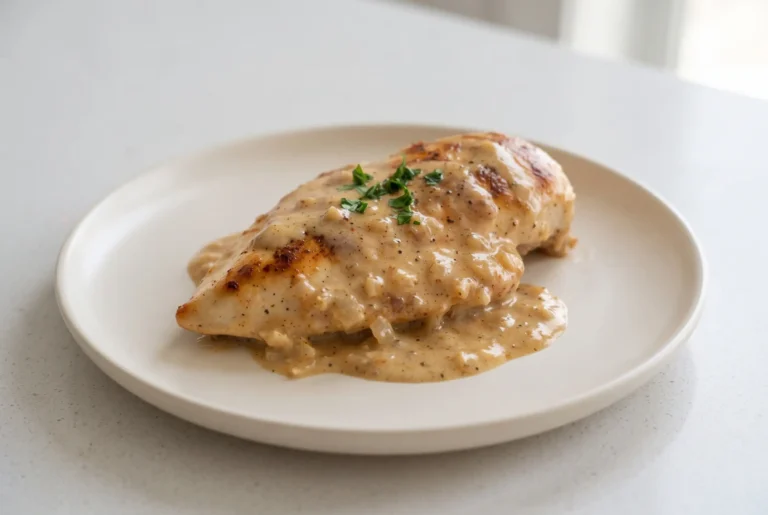
Fresh lemon juice adds the sharp note needed to balance the butter, while chicken broth provides a savory base that supports the citrus. The sauce is designed to coat the chicken lightly, creating a glossy finish instead of an overly heavy covering.
Cold butter plays a final structural role when blended with flour to create a quick beurre manié. Stirring this mixture into the simmering liquid helps the sauce thicken and maintain a smooth appearance suitable for lemon butter chicken francese.
Ingredient Choices Shape Chicken Francese Quality
Chicken cutlets are central to the cooking process because their thinner shape allows the coating and meat to finish together. Halving chicken breasts lengthwise creates pieces that are easier to sear evenly and prepare with a consistent texture.
Room-temperature eggs support the coating process by blending smoothly before the chicken enters the skillet. Fresh lemon provides both juice and aromatic oils that create a brighter finish than bottled alternatives, making it an important choice for the sauce character.
Dry white wine influences the depth of the pan sauce. Selecting a wine with a flavor profile suitable for drinking helps preserve the quality of the reduction, while the combination of chicken broth and butter creates the smooth texture associated with a classic chicken francese. A related preparation focused on chicken in white wine sauce further emphasizes how wine reduction and creamy finishes shape a balanced skillet dinner.
Pan Searing Decisions Protect the Golden Coating
The skillet stage requires enough oil to support browning while allowing the egg-coated surface to develop a deep golden color. Keeping the pan at a steady medium heat helps the coating cook evenly across each cutlet.
Cooking Controls Improve Chicken Francese Execution
Proper preparation before the skillet matters as much as the finishing sauce. Drying the chicken before dredging helps the flour adhere, giving the egg wash a stable foundation. Even thickness also allows each piece to cook at a similar rate.
Heat management determines whether the coating becomes crisp and light or absorbs excess oil. A heavy-bottomed skillet helps maintain a steady temperature, while careful timing prevents the exterior from darkening before the chicken reaches the desired internal temperature.
Sauce finishing requires patience after the searing stage. Deglazing captures the browned flavors from the pan, and the butter-flour mixture should be incorporated gradually until the liquid reaches a texture that clings to the chicken.
Common Chicken Francese Mistakes That Reduce Flavor
Several preparation errors can interfere with the signature texture of this Italian-American chicken recipe. Avoiding these problems keeps the egg coating attached and allows the sauce to complement the chicken instead of overwhelming it.
- Wet chicken surface: Excess moisture can prevent the flour from bonding properly, causing the egg coating to become unstable during cooking.
- Cold eggs: Chilled eggs may affect the pan temperature and make the coating cook unevenly.
- Weak lemon flavor: Bottled juice can lack the fresh aromatic qualities needed for the sauce finish.
Correcting these issues begins with small preparation choices. Patting the chicken dry, bringing eggs to room temperature, and using fresh citrus all support the intended texture and flavor of the finished dish.
Chicken Francese Variations Add New Flavor Directions
Garlic, herbs, and mushrooms can adjust the personality of Chicken Francese while keeping the original cooking style intact. Minced garlic added before the wine introduces a deeper aromatic note, while herbs such as tarragon or chives create a more contemporary direction.
Serving Ideas Highlight Chicken Francese Sauce
The silky lemon-butter sauce is best appreciated when paired with sides that allow its bright flavor to remain noticeable. Simple accompaniments work well because the chicken and sauce provide the primary richness and acidity.
Storage Choices Preserve Chicken Francese Texture
Leftover Chicken Francese should be placed in a shallow airtight container to maintain freshness. Keeping the chicken protected limits moisture loss and helps preserve the relationship between the coating and sauce.
Reheating requires gentle handling because strong heat can change the texture of the egg coating. A skillet over low heat with a small amount of chicken broth helps warm the chicken while supporting the sauce consistency.
Microwave reheating may soften the coating and create a less desirable texture. Slow warming gives the exterior a better chance of maintaining the qualities that make the dish recognizable.
Troubleshooting Chicken Francese Texture Problems
A coating that separates usually points back to preparation before cooking. Ensuring the chicken surface is dry and properly dredged creates the foundation needed for the egg layer to remain attached.
Make Ahead Planning Works Best With Chicken Francese Components
Preparing certain elements in advance can simplify cooking while protecting the final texture. Chicken cutlets can be prepared before the skillet stage, but the coating and sauce are strongest when finished close to serving.
Restaurant Style Results Come From Chicken Francese Technique
The refined quality of Chicken Francese comes from technique rather than excessive ingredients. The egg wash, wine reduction, and butter finish each contribute a specific part of the final experience.
Careful attention to timing creates a meal that combines comfort with a polished presentation. The method demonstrates how traditional Italian-American cooking can produce a sophisticated result from straightforward components.
Chicken Francese Recipe Success Depends on Sauce and Coating Harmony
The golden chicken surface, bright lemon sauce, and controlled butter finish define the complete dish. When the egg coating remains delicate and the sauce reaches the right consistency, every element works together.
Chicken Francese Recipe Questions About Coating, Sauce, and Preparation
What is Chicken Francese?
Chicken Francese is an Italian-American dish made with flour-dredged chicken, an egg coating, pan searing, and a lemon butter sauce often finished with white wine and chicken broth.
Why does the egg coating matter in Chicken Francese?
The egg coating creates a light surface that can absorb the lemon-butter sauce. Its texture allows the sauce to cling to the chicken while keeping the exterior distinct from the tender meat.
Can Chicken Francese be made without white wine?
White wine can be replaced with an equal amount of chicken broth combined with a small amount of white wine vinegar to maintain the acidity needed for balance.
How can I keep the coating from peeling away?
Drying the chicken before flouring is an important step because the flour needs a clean surface to adhere. A stable flour layer helps the egg wash remain attached during searing.
What makes the sauce glossy?
The glossy finish comes from incorporating cold butter with flour into the simmering liquid. This creates a smooth sauce texture that coats the chicken evenly.
Chicken Francese Recipe with Lemon Butter Sauce and Wine
Ingredients
Method
- Pat the chicken cutlets dry and pound them to an even thickness if needed.
- Beat the eggs in a shallow bowl until smooth. In a separate dish, mix 1/2 cup flour with the salt and black pepper.
- Coat each chicken cutlet in the seasoned flour, removing excess, then dip each piece into the egg mixture.
- Warm the vegetable oil in a heavy skillet over medium heat. Cook the coated chicken cutlets for 3-4 minutes per side until golden and the internal temperature reaches 165°F / 74°C, then place them on a warm plate.
- Remove excess oil from the skillet while keeping the browned bits. Cook the lemon slices for 30 seconds per side.
- Pour the white wine into the skillet and scrape up the browned bits, then add the chicken broth and fresh lemon juice.
- Combine 1 tablespoon flour with the cold butter to form a beurre manié, then whisk it into the simmering sauce until it thickens enough to coat a spoon.
- Place the chicken cutlets back into the skillet and cook for 60 seconds, allowing them to become coated with the lemon butter sauce.
- Finish the chicken with chopped parsley and serve immediately.