Chocolate Marshmallow Swirl Cookies with Chocolate Chips
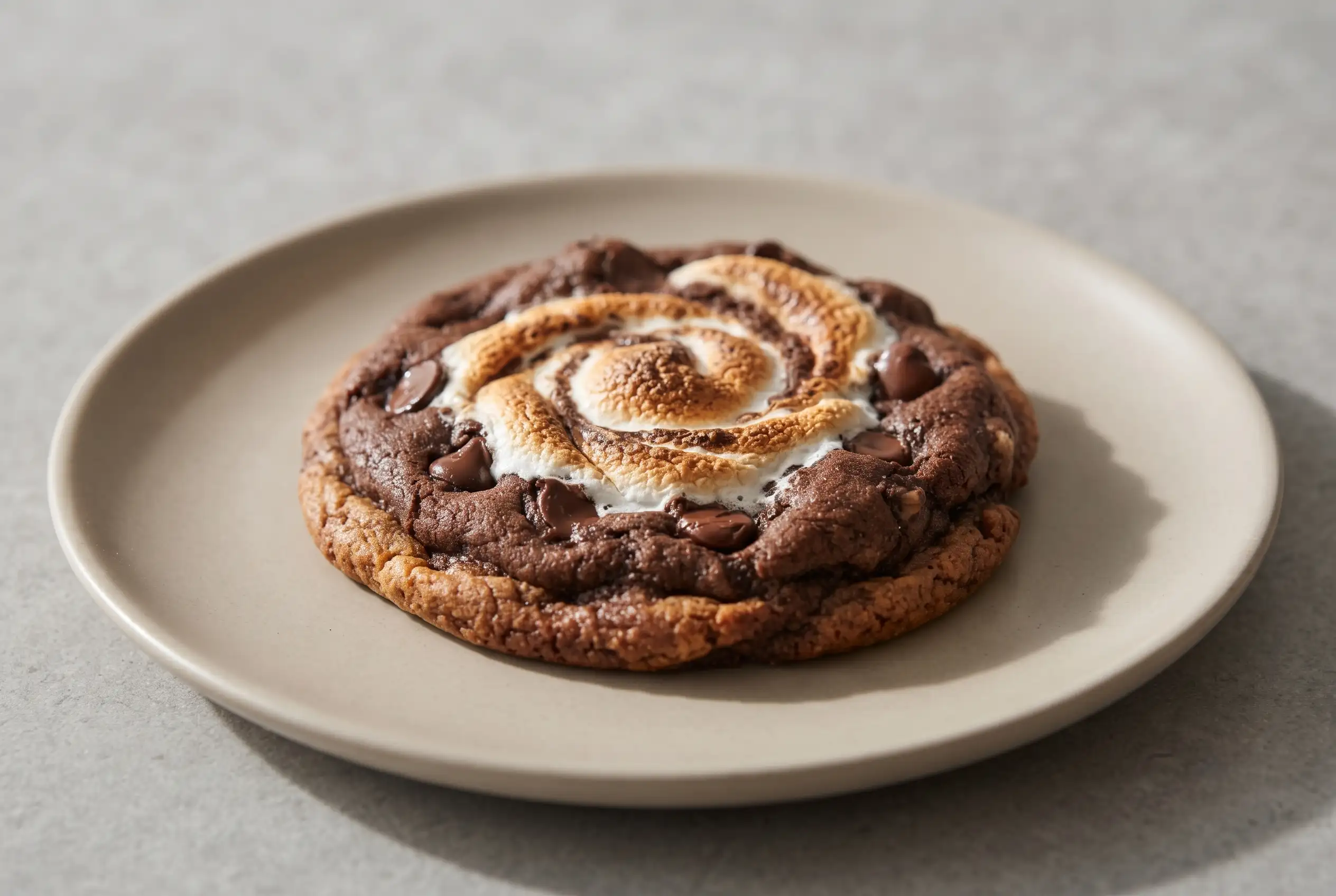
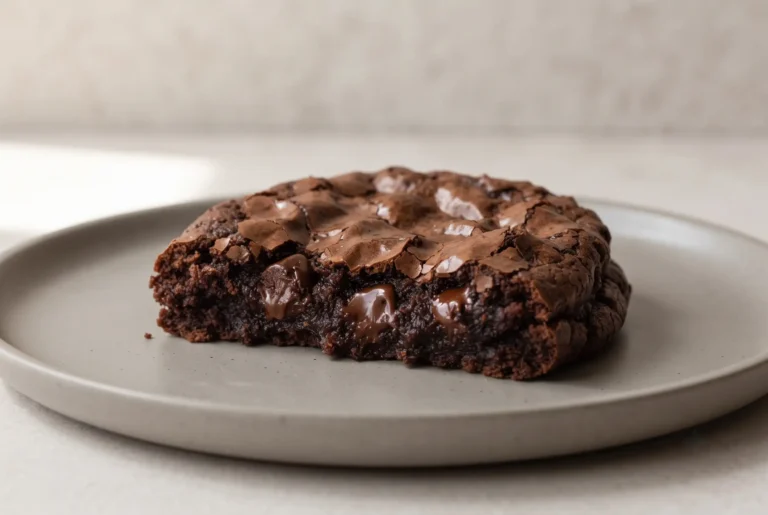
Chocolate Marshmallow Swirl Cookies create a bakery-style contrast between crisp caramelized edges, soft cookie centers, melted chocolate, and pockets of toasted marshmallow. The chocolate marshmallow swirl cookies recipe combines a rich butter-based dough with semi-sweet chocolate chips and mini marshmallows to create gooey chocolate marshmallow cookies with a distinctive pull-apart texture.
The structure comes from carefully balancing fat, sugars, flour, and baking temperature. The dough is designed to hold the marshmallow pieces in place while allowing them to melt into sweet swirls during baking. Every choice, from butter temperature to the way additions are folded, affects the final texture.
Chocolate Marshmallow Swirl Cookies Build a Gooey Texture Contrast
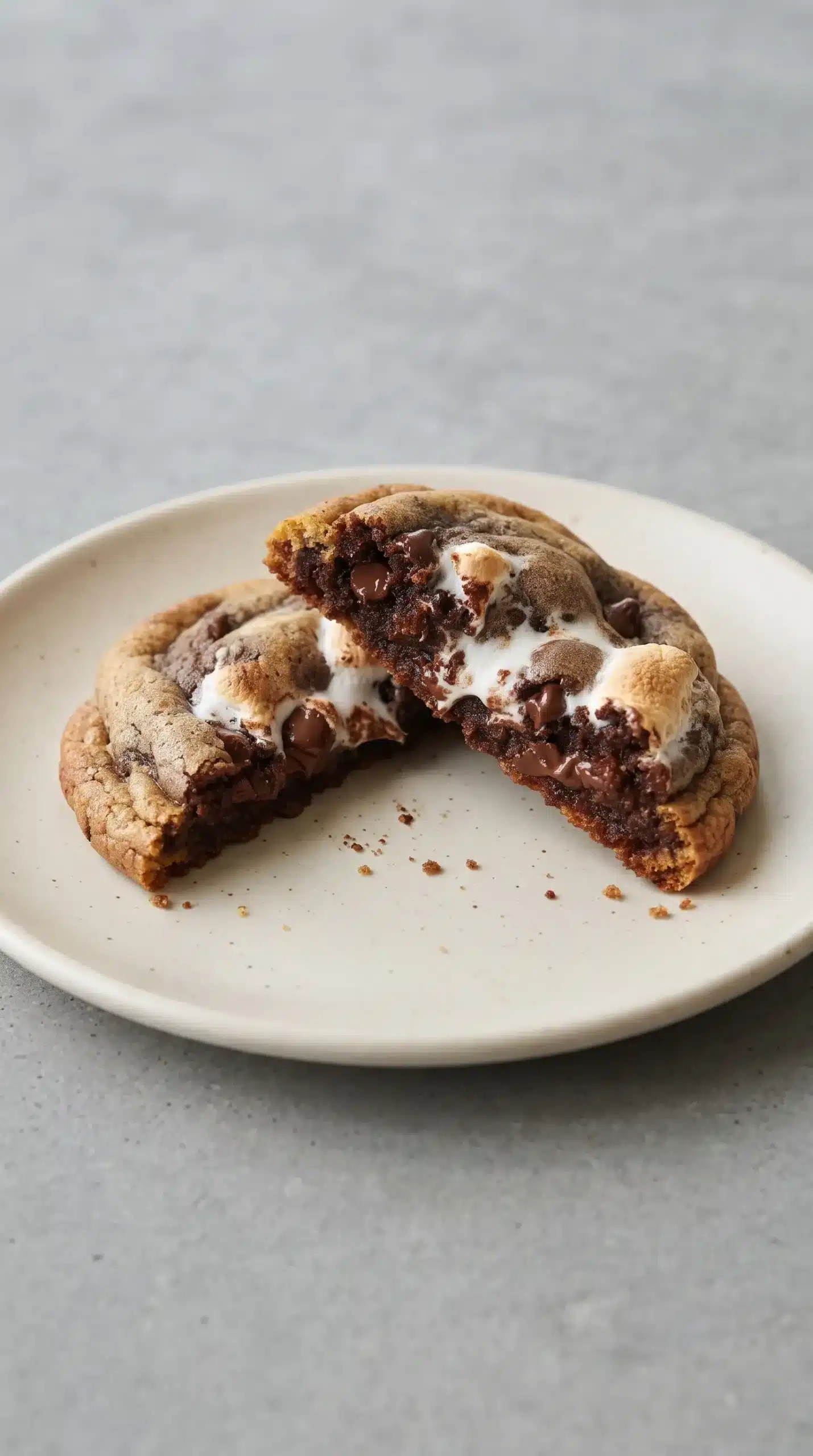
Cookie texture depends on how different ingredients behave under heat. The butter creates richness and helps carry the flavors of chocolate and marshmallow, while the flour provides enough structure for the cookies to hold their shape. The combination produces edges that brown while the middle stays soft.
During baking, mini marshmallows partially melt into the dough. Their aerated structure changes as heat moves through the cookie, creating small areas of caramelized sweetness. The chocolate chips remain as concentrated pockets of richness, giving the cookies a layered bite.
Sugar Balance Creates Chewy Cookie Structure
Sugar selection plays a central role in the texture of these cookies. The equal balance of granulated white sugar and light brown sugar creates two different effects that work together. Granulated sugar supports spread and crisp edge development, while brown sugar helps maintain moisture for a chewy interior.
Chocolate marshmallow swirl cookies benefit from this sugar balance because the marshmallow filling already contributes sweetness. The dough needs enough structure and moisture control to prevent the finished cookies from becoming overly heavy while still preserving the soft center associated with a gooey cookie.
| Cookie Element | Primary Effect | Texture Result |
|---|---|---|
| Granulated sugar | Supports browning and spread | Lightly crisp edges |
| Light brown sugar | Retains moisture | Chewy middle |
| Mini marshmallows | Melts and expands during baking | Soft gooey swirls |
Chocolate and Marshmallow Choices Shape Every Bite
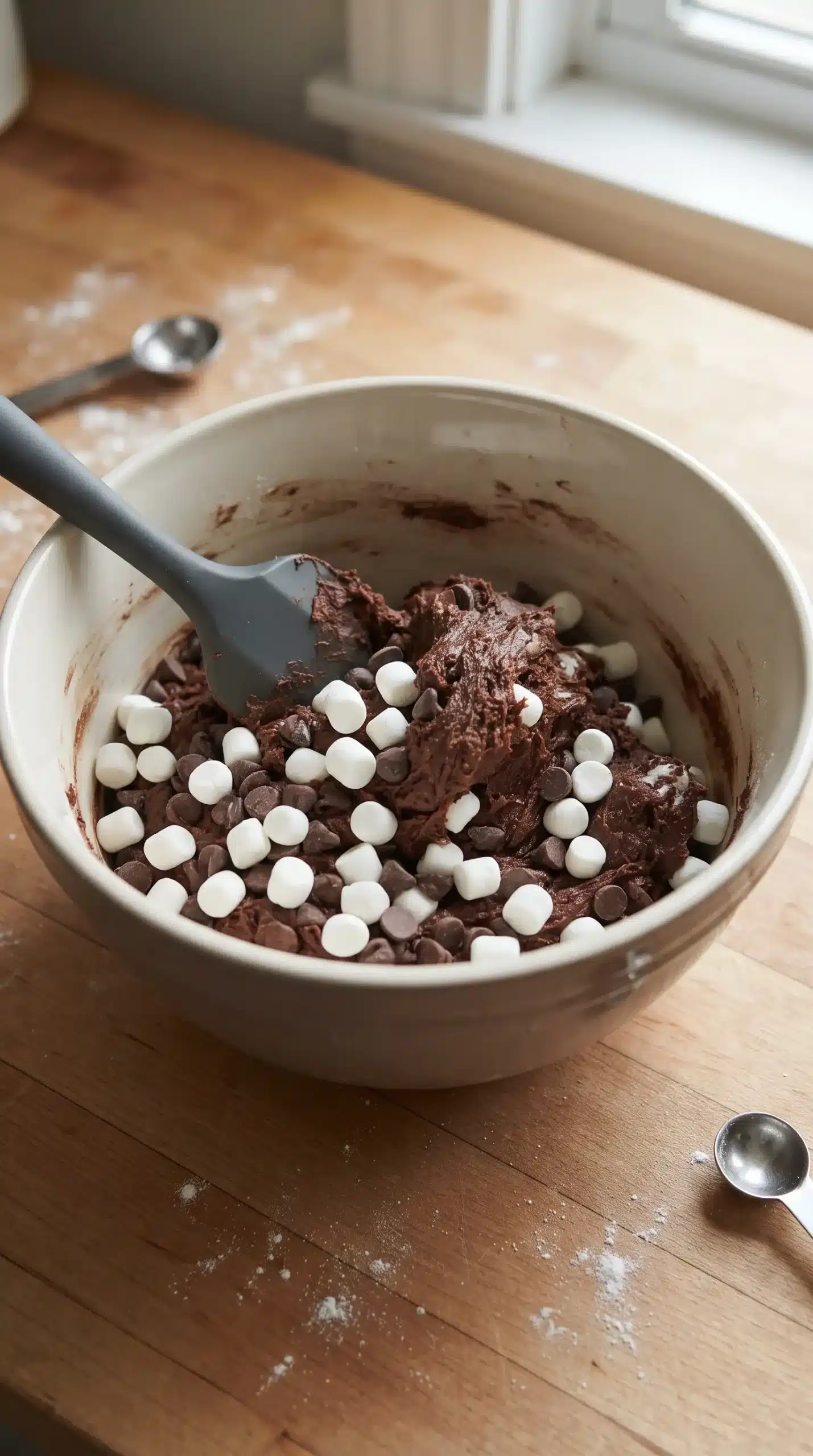
The chocolate selection determines how the sweetness of the marshmallow is balanced. Semi-sweet chocolate chips with at least 60% cacao provide deeper chocolate notes that contrast with the sugar-rich cookie dough and melted marshmallow areas.
Fresh mini marshmallows are important because their texture allows them to create recognizable pockets inside the cookie. Older marshmallows may not behave the same way because their texture changes over time, making it harder to achieve the visible swirl effect.
A chocolate marshmallow cookie recipe works best when the additions remain distinct before baking. Folding the chocolate chips and marshmallows by hand helps preserve their shape and keeps the dough from becoming overloaded with mixed-in pieces.
Butter Temperature Controls Cookie Spread
Butter condition affects how the dough behaves once it reaches the oven. Softened butter at the correct temperature can be creamed with sugar to create a lighter dough structure, which helps the cookies avoid becoming dense. Managing butter temperature is especially important for thick chocolate chip cookies where a stable dough helps maintain height and a soft center.
When butter becomes too warm, the dough can lose stability before the cookie sets. Maintaining the recommended butter temperature helps the cookies spread properly while keeping enough height for the marshmallow pockets to remain noticeable.
- Soft butter: Creates the proper base for creaming with sugars.
- Cooler dough: Helps control spreading in warmer kitchens.
- Stable fat: Supports a thicker cookie shape during baking.
Mixing Decisions Protect the Swirl Texture
Mixing technique determines whether the dough keeps a delicate structure. Creaming the butter and sugars introduces air into the mixture, while adding eggs gradually helps maintain an even emulsion.
Dry ingredients should be incorporated carefully after combining the wet ingredients. Once the flour disappears, continued mixing can develop extra gluten and affect the tender texture expected from marshmallow swirl cookies recipe variations.
Manual folding creates a gentler finish when adding chocolate chips and marshmallows. This step keeps the marshmallows from breaking apart before they experience the heat of the oven.
Baking Control Preserves Soft Centers
Oven temperature determines how quickly the cookie exterior sets while the inside remains soft. Baking at 350°F (175°C) allows the surface to brown and the marshmallows to melt without excessive burning of the sugar-rich areas.
The visual signs of doneness matter for this style of cookie. Golden edges with centers that remain slightly pale indicate that the interior still contains enough moisture for a soft bite after cooling.
| Baking Observation | What It Indicates | Helpful Response |
|---|---|---|
| Golden edges | Outer structure has formed | Remove before the center dries |
| Slightly pale center | Interior remains soft | Allow cooling to finish setting |
| Visible melted marshmallow | Swirl texture is developing | Handle cookies gently while warm |
Chocolate Marshmallow Swirl Cookies Avoid These Common Mistakes
Several problems can change the appearance and texture of these cookies. Most issues happen when the marshmallow pieces, dough temperature, or mixing process are not handled carefully.
- Crushed marshmallows: Overmixing can break down the pieces before baking, reducing visible gooey pockets.
- Thin cookies: Warm dough can spread too quickly, especially in kitchens above 75°F.
- Missing swirl areas: Stale marshmallows or poor folding technique can prevent the expected melted texture.
- Uneven flavor: Lower cacao chocolate may not provide enough contrast against the sweetness of the marshmallow.
Small corrections can improve consistency. Tossing sticky marshmallows with a teaspoon of flour before folding can help separate the pieces and keep them distributed throughout the dough.
Fresh Marshmallows Keep Distinct Gooey Pockets
Marshmallow quality affects more than sweetness. Fresh mini marshmallows maintain enough structure to melt into defined areas, while older pieces may dissolve more completely into the cookie dough.
The marshmallow pieces should enter the dough close to baking time when possible. For make-ahead dough, refrigerating the dough is possible, but adding the marshmallows shortly before baking helps protect their texture.
Dough Adjustments Create New Flavor Directions
The base dough can support several variations without changing the essential cookie identity. Flavor changes work best when they complement the chocolate and marshmallow combination.
- Espresso addition: Mix instant espresso powder with the dry ingredients to deepen the chocolate character.
- Dark chocolate pieces: Replace part of the chocolate chips with dark chocolate chunks for larger melted chocolate areas.
- S’mores style: Fold crushed graham cracker pieces into the dough for a campfire-inspired variation.
Each variation changes the balance of flavors while keeping the recognizable soft cookie base and marshmallow-centered experience.
Storage Methods Protect the Marshmallow Finish
Proper storage helps preserve the texture after baking. Once cooled, the cookies should be kept in an airtight container storage setup at room temperature to help maintain their quality.
If the marshmallow texture becomes firmer during storage, placing a piece of white bread in the container can help the cookies absorb moisture and stay softer.
Reheating works best when gentle heat restores the melted chocolate and softened marshmallow texture. Warming a cookie in a 300°F oven for three minutes can refresh the interior without drying the cookie base.
Serving Moments Highlight Warm Chocolate Centers
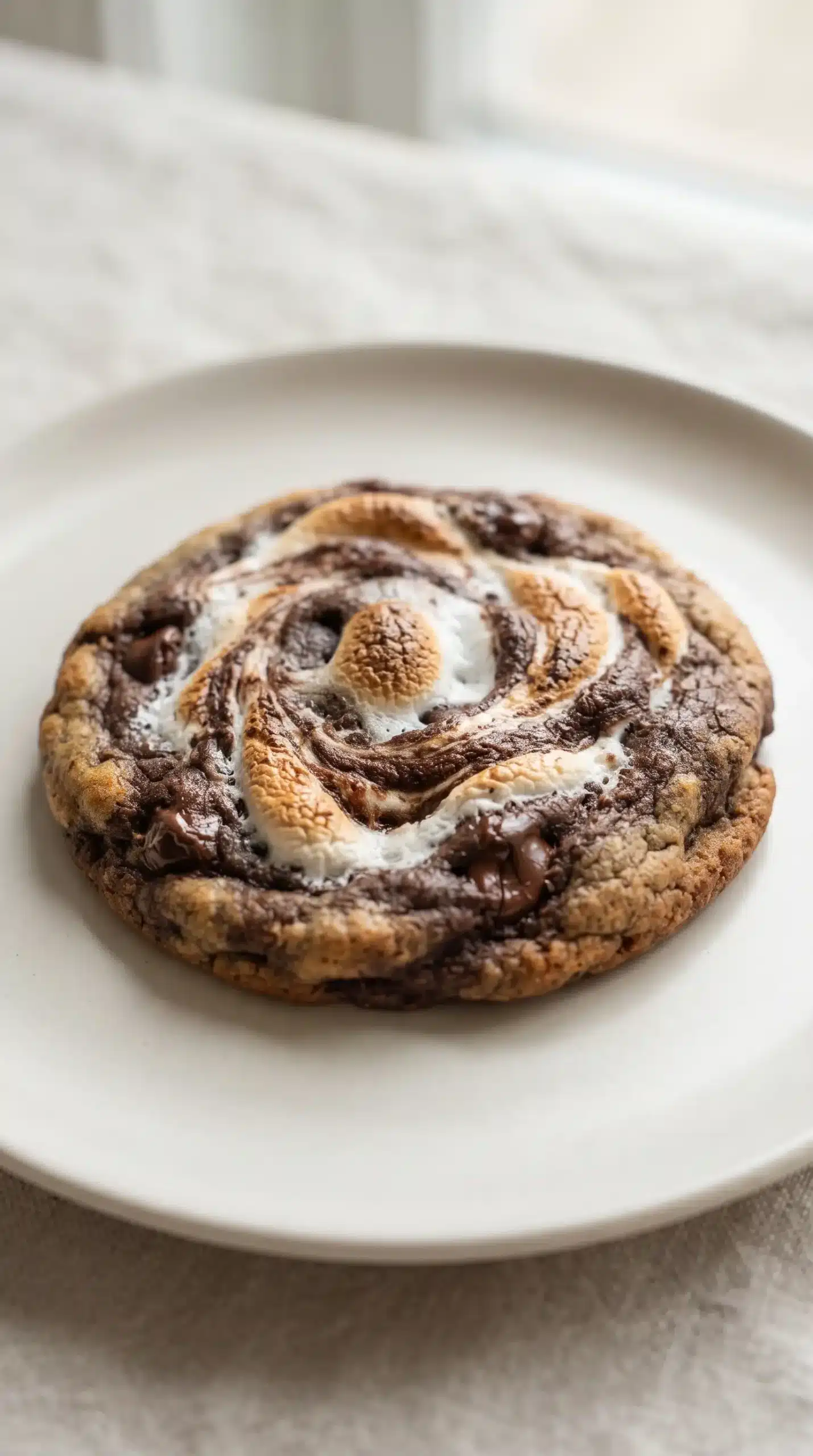
These cookies are especially appealing when the contrast between the set exterior and softer interior is most noticeable. Serving them slightly warm emphasizes the melted chocolate chips and marshmallow swirls.
The cookies can be enjoyed as a standalone dessert or included in seasonal cookie assortments. Their combination of familiar chocolate chip cookie flavor and marshmallow texture makes them different from standard cookies without requiring unusual ingredients.
Cocoa Intensity Changes the Cookie Profile
The chocolate component influences how the sweetness of the cookie is perceived. Semi-sweet chips create a balanced flavor because their cacao content adds depth against the sugar and marshmallow.
Using darker chocolate pieces introduces a more intense chocolate character, while espresso powder can enhance the existing cocoa notes. These changes allow the same cookie structure to create different flavor experiences.
Chocolate Marshmallow Swirl Cookies Reach Their Best Texture Through Balance
The dough structure, sugar balance, and marshmallow handling determine how chocolate marshmallow swirl cookies transform in the oven. A stable butter base creates the foundation, controlled mixing protects tenderness, and careful baking preserves the contrast between crisp edges and soft centers.
Chocolate Marshmallow Swirl Cookies succeed when every element keeps its role: chocolate provides depth, marshmallows create gooey pockets, and the cookie dough holds everything together. The result is a dessert where texture changes from edge to center in every bite.
Chocolate Marshmallow Swirl Cookies Questions About Marshmallow Texture
Why did my marshmallows disappear during baking?
Marshmallows may disappear if they were overmixed into the dough or if they were not fresh. Folding them gently near the end of preparation helps preserve their shape before baking begins.
Can the dough be prepared before baking?
The dough can be refrigerated for up to three days. For the best texture, add the mini marshmallows shortly before baking so they do not absorb moisture from the dough and become gummy.
How can I keep the cookies from spreading too much?
Using properly softened butter and chilling portioned dough when the kitchen is warm can help the cookies maintain a thicker shape during baking.
What makes these cookies stay soft inside?
The combination of brown sugar, butter, and controlled baking helps retain moisture in the center. Removing the cookies while the middle is still slightly pale allows the texture to settle into a soft finish.
Can different chocolate be used in the cookies?
Dark chocolate chunks can replace part of the chocolate chips to create larger melted chocolate pockets and a deeper chocolate flavor while keeping the marshmallow contrast.
Chocolate Marshmallow Swirl Cookies with Chocolate Chips
Ingredients
Method
- Beat the softened butter, granulated sugar, and brown sugar together with a mixer for 3 minutes until the mixture becomes light and airy.
- Mix in the eggs one at a time, blending after each addition, then add the vanilla extract.
- Combine the flour, baking soda, and fine sea salt in a separate bowl.
- Add the dry mixture gradually to the butter mixture on low speed, mixing just until combined.
- Gently fold the chocolate chips and mini marshmallows into the cookie dough using a spatula.
- Portion rounded tablespoons of dough onto a parchment-lined baking sheet, leaving at least 2 inches between cookies.
- Bake the cookies at 350°F / 175°C for 10–12 minutes, until the edges are golden and the centers are still soft.