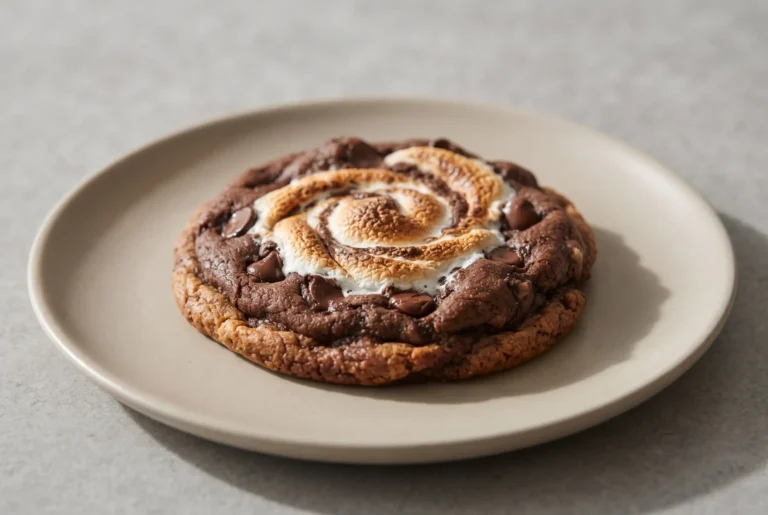
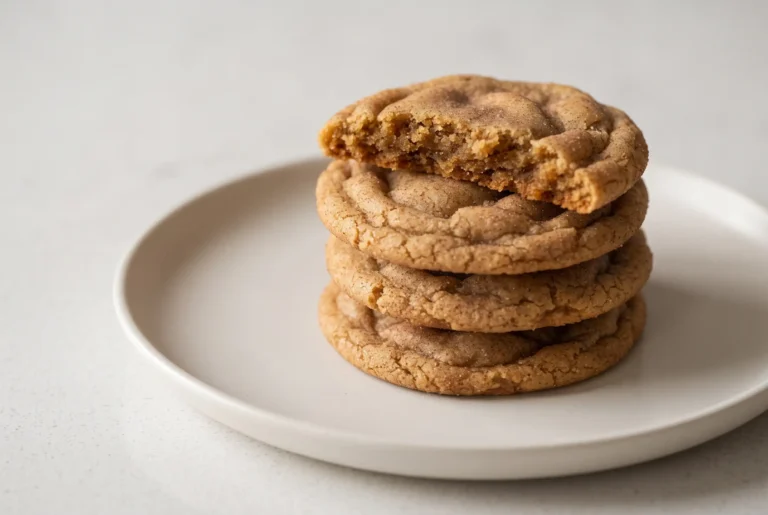
Salted Caramel Chocolate Cookies with Flaky Sea Salt
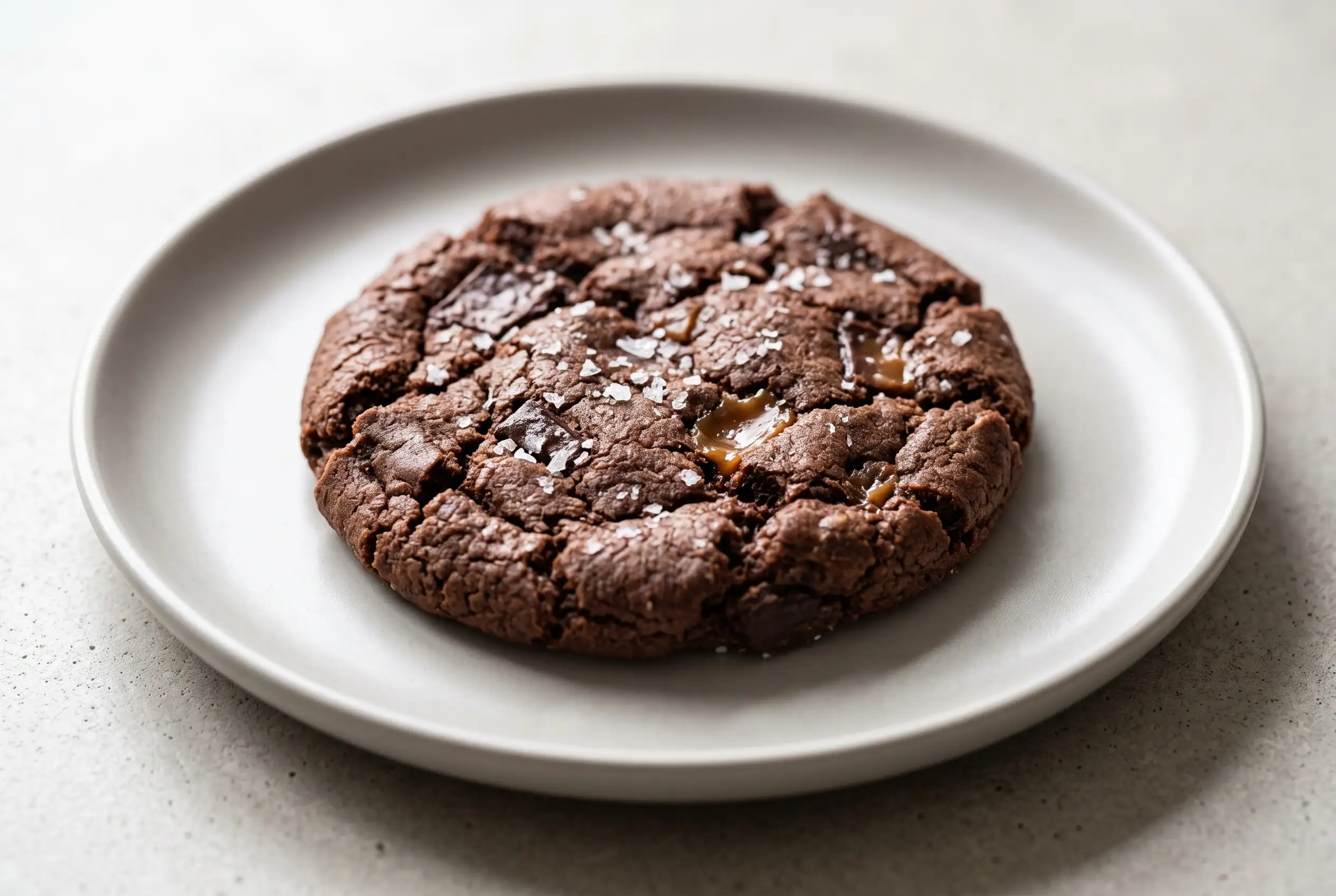
Salted Caramel Chocolate Cookies bring together soft brown-sugar richness, chocolate chips, chewy caramel pieces, and a finishing touch of flaky sea salt for a dessert built around contrast. The combination creates a cookie with a tender center, pockets of caramel texture, and a sweet-salty finish that keeps each bite balanced.
Balance Behind Salted Caramel Chocolate Cookies
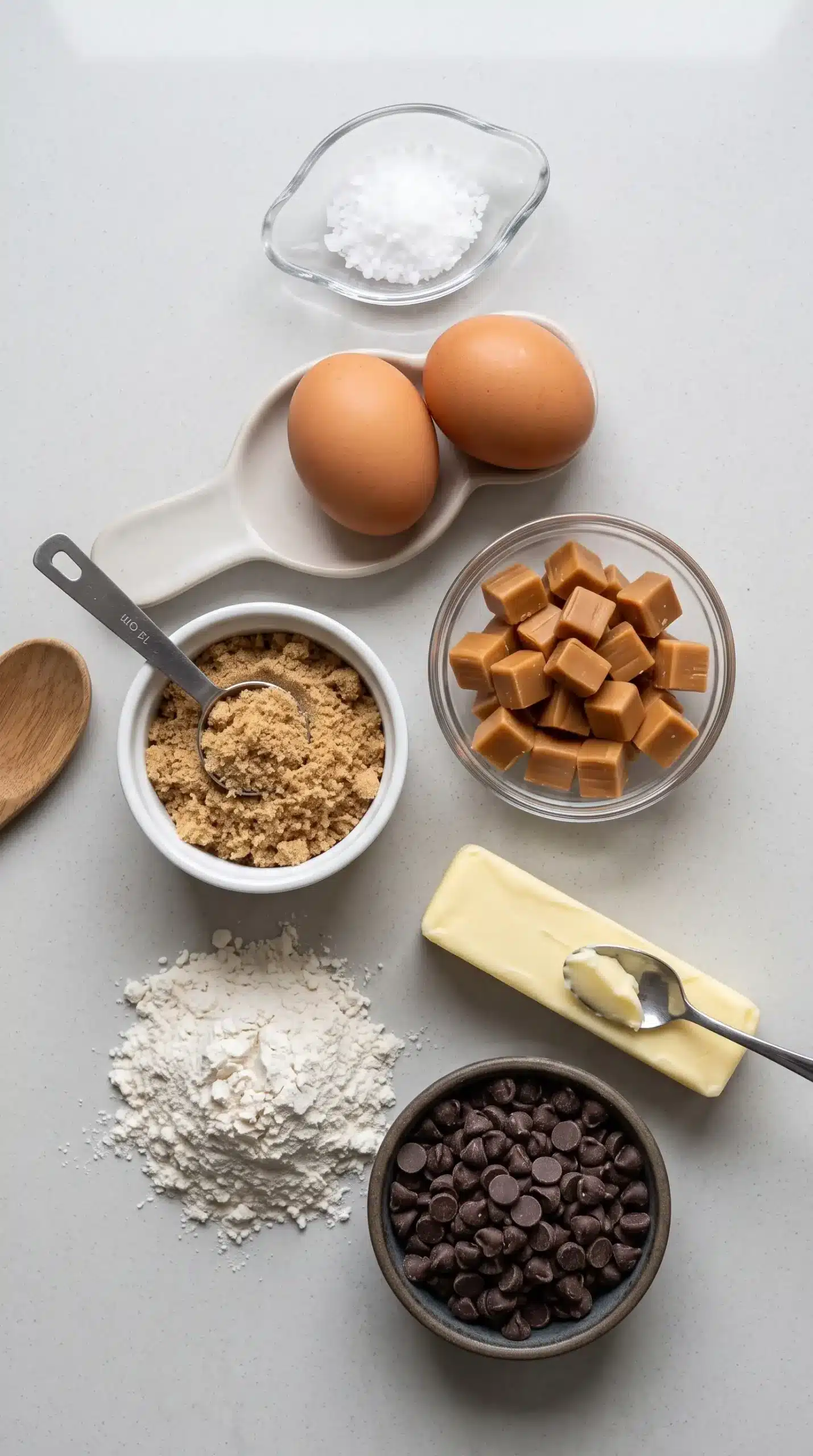
Flavor balance comes from the way each part of the dough handles sweetness, richness, and texture. Brown sugar provides a moist foundation, while caramel candies create concentrated pockets of melted sugar that remain distinct inside the baked cookie. Chocolate chips add another layer of depth without replacing the caramel character.
Careful preparation matters because the dough needs enough structure to support heavy additions. Creaming softened butter with both sugars creates an aerated base that helps the cookie stay soft while carrying chocolate and caramel pieces throughout the dough.
Finished cookies depend on timing as much as ingredients. Applying flaky sea salt after baking preserves the crisp salt crystals on the surface, allowing the sweet caramel flavor and chocolate notes to stand apart instead of blending into a single taste.
Caramel and Chocolate Choices Shape Cookie Texture
Ingredient selection has the greatest impact on texture in this salted caramel cookies recipe. Firm caramel candies chopped into small pieces hold their shape longer during baking, creating chewy sections inside the soft cookie crumb, while semi-sweet chocolate chips provide familiar chocolate flavor that pairs with the caramel sweetness. Choosing the right balance of ingredients is essential for achieving the desired chocolate chip cookie texture while keeping the caramel pieces distinct.
Baking Control That Protects Caramel Centers
Successful baking starts with managing the dough temperature and structure before the cookies enter the oven. Butter softened to the proper consistency allows the sugars and fat to combine smoothly without creating a dough that spreads excessively during baking.
Portioning evenly sized dough mounds helps each cookie bake at a similar rate. When the dough is prepared in a warm kitchen, chilling the portions briefly gives the caramel pieces more stability and helps prevent them from moving toward the edges.
Oven awareness also affects the finished texture. Cookies should be removed when the edges reach a light golden brown while the centers still appear slightly soft, allowing the residual heat to complete the setting process without producing a dry result.
Salt Placement Creates the Sweet-Salty Finish
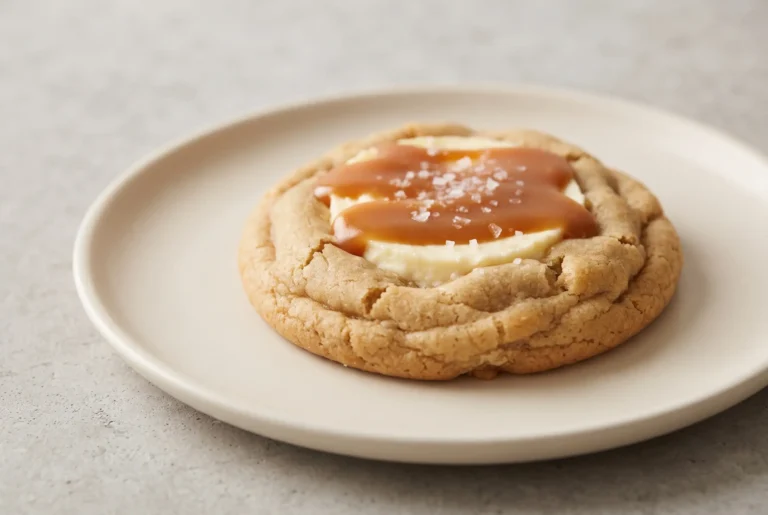
Flaky sea salt is added after baking because the timing protects the texture of the crystals. A finishing sprinkle creates noticeable bursts of saltiness that complement the caramel and chocolate while keeping the cookie’s flavor profile defined.
Mistakes That Ruin Salted Caramel Chocolate Cookies
Several problems with salted caramel chocolate cookies come from changes that affect dough behavior. Melted butter can cause excessive spreading, leaving the caramel pieces closer to the baking surface where they may scorch instead of remaining suspended throughout the cookie.
Oversized caramel chunks create another challenge because large pieces are harder for the dough to contain. Keeping the caramel pieces small and evenly distributed helps maintain the intended balance between chewy inclusions and a soft cookie structure.
Rushing the cooling period can also lead to unpleasant results. Caramel stays hot longer than the surrounding dough, so allowing the cookies to rest on the baking sheet helps the molten sugar settle before serving.
Caramel Handling Tips for Better Chocolate Caramel Cookies
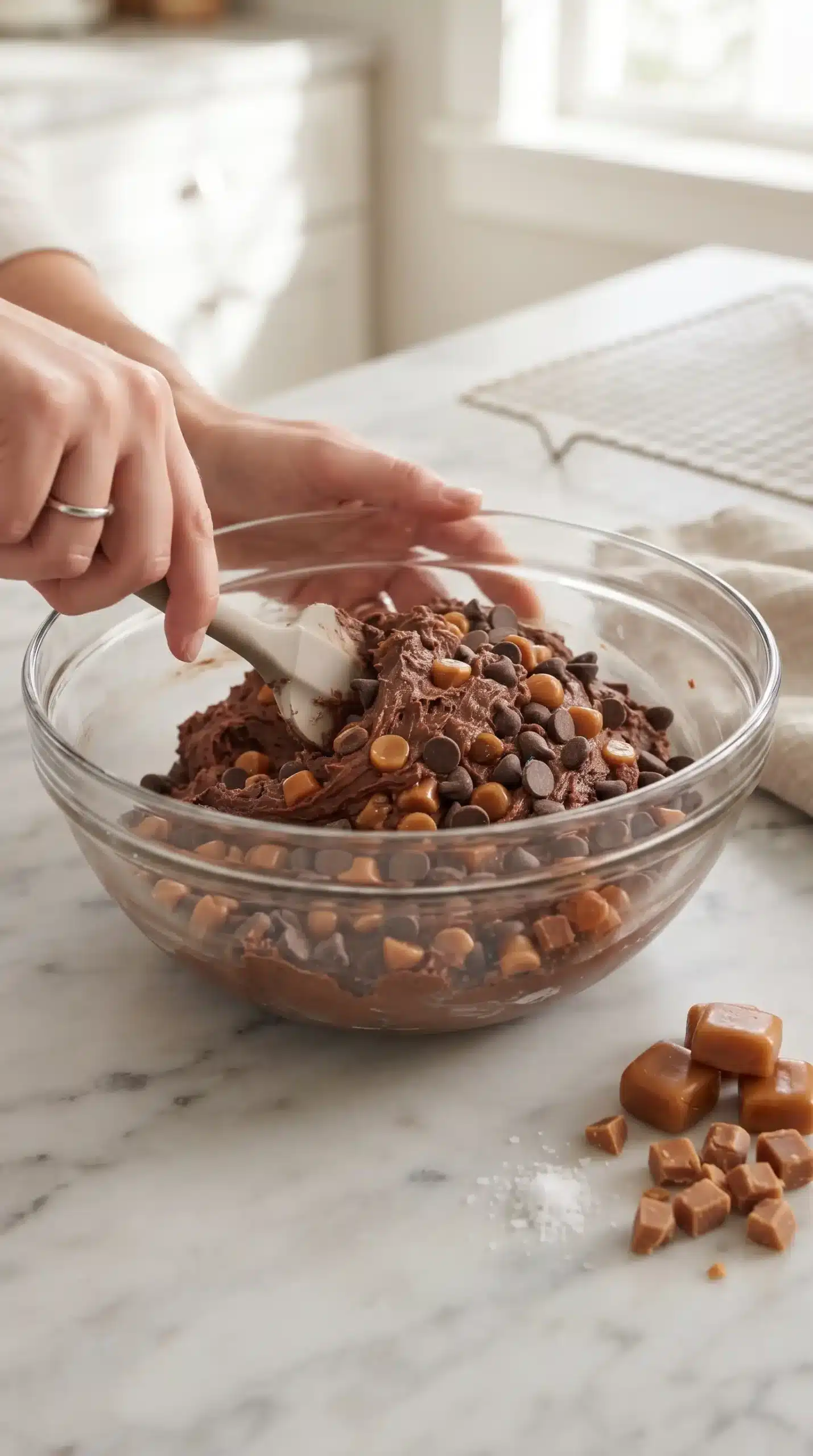
Practical handling choices make chocolate caramel cookies more consistent from batch to batch. Firm wrapped caramels are preferred because they provide the concentrated caramel pockets that define the cookie without adding excess moisture to the dough.
During mixing, gentle incorporation protects the tender texture created by the butter and sugar base. Once the flour disappears, additional mixing can develop more gluten and make the baked cookie less delicate.
After baking, storage methods should account for the caramel pieces. Parchment layers can prevent cookies from sticking together when the melted candy sections create contact between individual cookies.
- Caramel size: Use small chopped pieces so the candy remains supported inside the dough.
- Dough temperature: Chill portions when needed to reduce caramel movement during baking.
- Salt finish: Add flaky salt while the cookies are warm so it adheres without losing its texture.
Serving and Storage Choices Preserve Soft Salted Caramel Cookies
Soft salted caramel cookies maintain their texture when kept in an airtight container at room temperature. If reheating is desired, a short microwave warm-up can soften the caramel again while keeping the cookie structure intact, and frozen cookies can be thawed before serving.
Variations That Change the Cookie Personality
Flavor adjustments can shift the character of the cookies while preserving the caramel foundation. Dark chocolate chunks can create a deeper contrast, toasted pecans can add a nutty texture, and espresso powder can introduce a coffee-like note that complements salted caramel flavors.
Comparing Caramel Styles for Cookie Baking
Different caramel formats behave differently inside cookie dough, and choosing the right style helps predict the finished texture.
| Caramel option | Behavior during baking | Best use in cookies |
|---|---|---|
| Firm caramel candies | Stay concentrated and create chewy pockets | Best match for suspended caramel pieces |
| Soft caramel pieces | Can spread more easily through the dough | Less predictable for defined caramel sections |
| Caramel sauce | Adds extra moisture to the dough | Requires different dough adjustments |
Visual Signs of a Properly Baked Batch
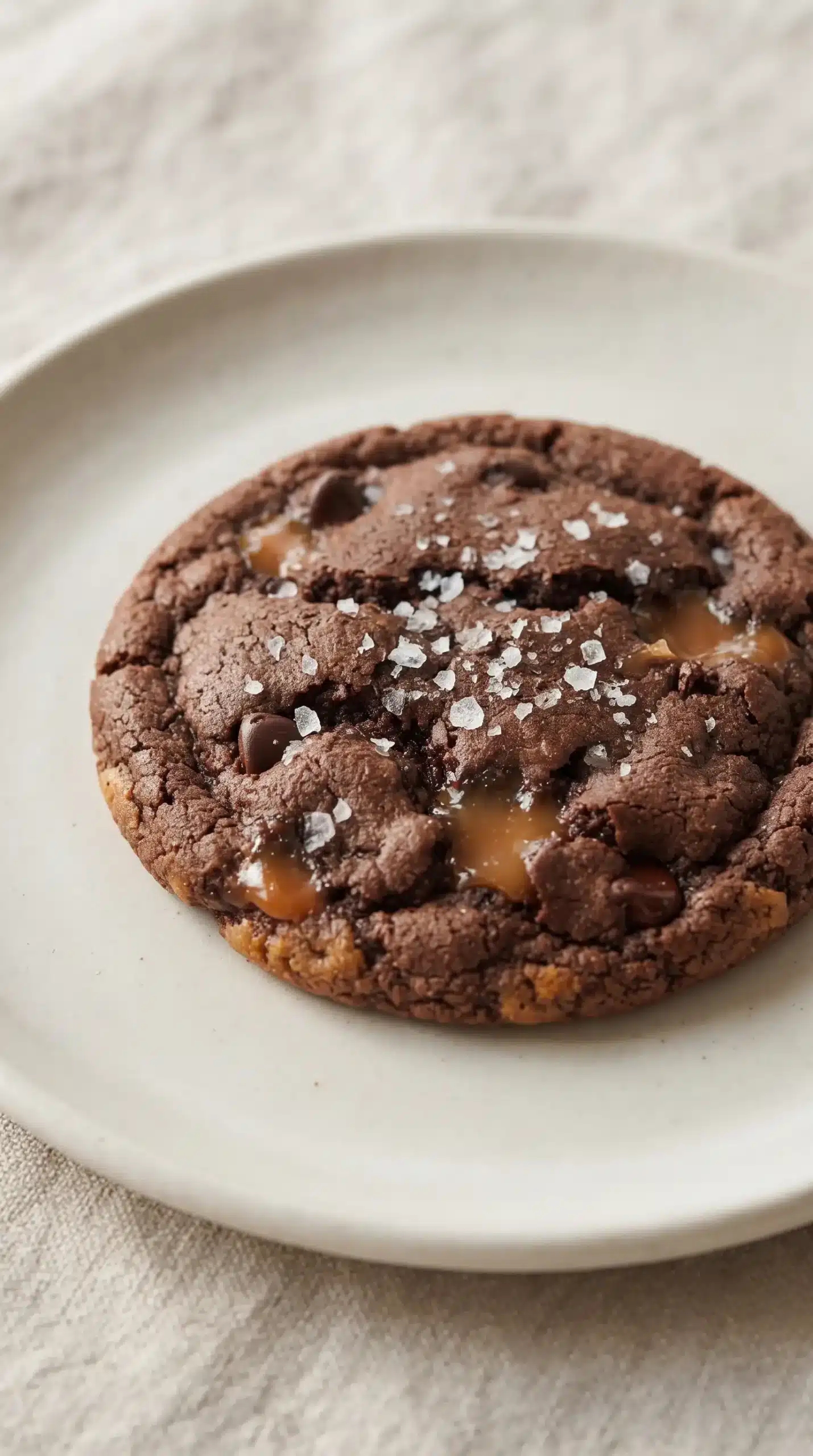
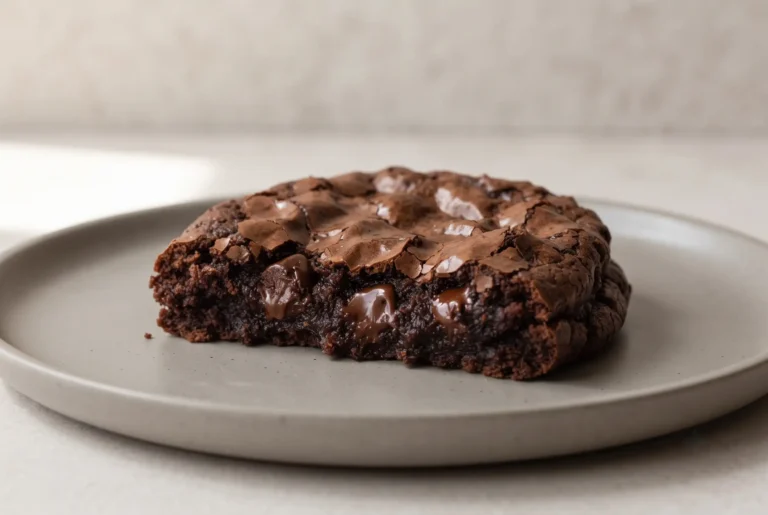
Appearance offers useful clues when judging these cookies after they leave the oven. A successful batch shows lightly golden edges, soft-looking centers, visible chocolate pieces, and caramel sections that remain integrated into the cookie.
Texture develops further during cooling because the caramel continues releasing heat after baking. The surface salt should remain visible, creating the characteristic finish that separates these cookies from standard chocolate chip versions.
Professional-looking results come from consistency in portioning, baking, and finishing. Even spacing of inclusions and careful salt application create cookies with a balanced appearance as well as a balanced flavor.
Salted Caramel Chocolate Cookies Deliver Controlled Contrast
Salted caramel chocolate cookies succeed because each component has a specific role in the finished dessert. The soft brown-sugar dough supports the chocolate and caramel additions, while flaky sea salt sharpens the sweetness without overwhelming the other flavors.
Reliable results come from controlling caramel size, dough temperature, and finishing technique. Those choices preserve the chewy caramel centers and soft texture that define this style of cookie.
Caramel Leakage Questions and Answers for Salted Caramel Chocolate Cookies
Why does caramel leak out of salted caramel chocolate cookies?
Caramel leakage usually happens when pieces are too large or the dough is too warm before baking. Keeping the chopped caramel smaller and chilling the dough portions when necessary helps the candy remain contained inside the cookie.
Can salted butter replace unsalted butter?
Salted butter can be used, but the fine sea salt mixed into the dough should be adjusted to prevent the overall seasoning from becoming too strong. Unsalted butter offers more control over the salt balance.
How should the caramel pieces be prepared?
Firm caramel candies should be chopped into small pieces before mixing them into the dough. This size allows the caramel to distribute throughout the cookies and creates more consistent chewy sections.
What makes the cookies stay soft?
The combination of brown sugar, proper butter consistency, and careful mixing supports a soft texture. Avoiding unnecessary flour development during mixing helps preserve the tender crumb.
Why is flaky salt added after baking?
Flaky salt is applied after the cookies leave the oven so the crystals remain noticeable on the surface. This creates a distinct salty contrast against the chocolate and caramel flavors.
Salted Caramel Chocolate Cookies with Flaky Sea Salt
Ingredients
Method
- Beat the softened butter with the light brown sugar and granulated white sugar for 3 minutes until the mixture becomes light and airy.
- Mix in the eggs one at a time, then blend in the vanilla extract until smooth.
- Combine the all-purpose flour, baking soda, and fine sea salt in a separate bowl.
- Add the dry mixture gradually to the butter mixture and stir only until no flour remains visible.
- Fold the semi-sweet chocolate chips and chopped caramel candies into the dough until evenly combined.
- Place 2-tablespoon portions of dough onto a parchment-lined baking sheet and chill the dough balls for 20 minutes if the kitchen is warm.
- Bake the cookies at 350°F / 175°C for 10–12 minutes until the edges are lightly golden and the centers remain slightly soft.
- Sprinkle flaky sea salt over the cookies immediately after removing them from the oven.
- Leave the cookies on the baking sheet for at least 8 minutes before serving.