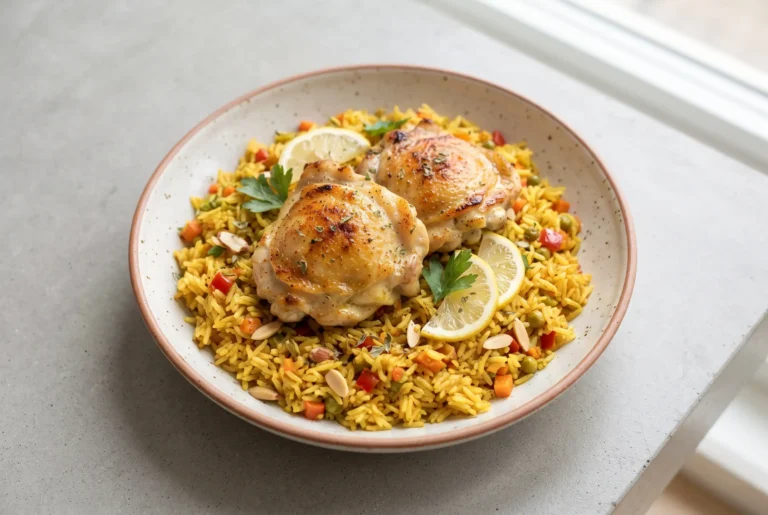
Maple Glazed Chicken with Roasted Sweet Potatoes Recipe
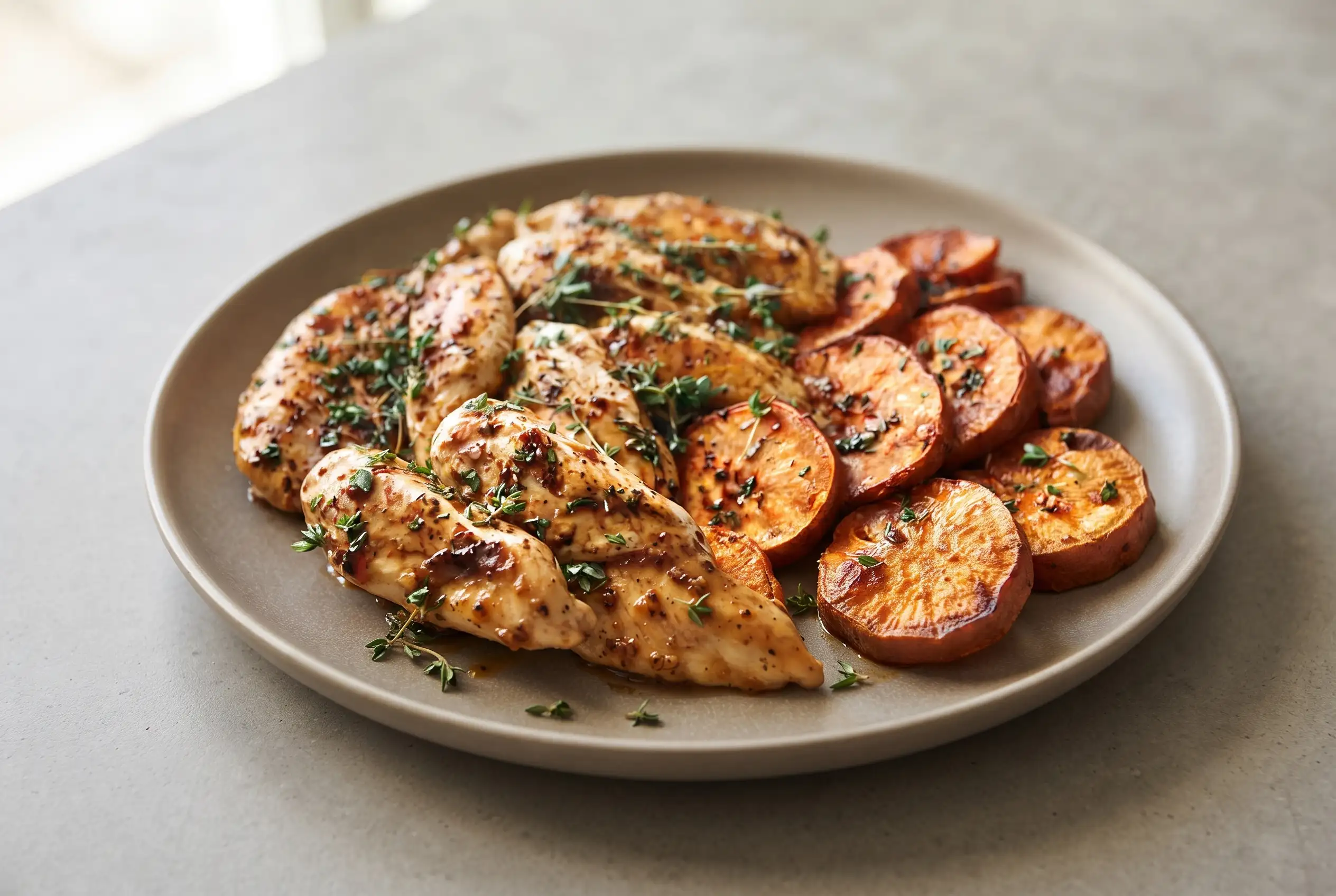
Maple Glazed Chicken Starts With Caramelized Balance
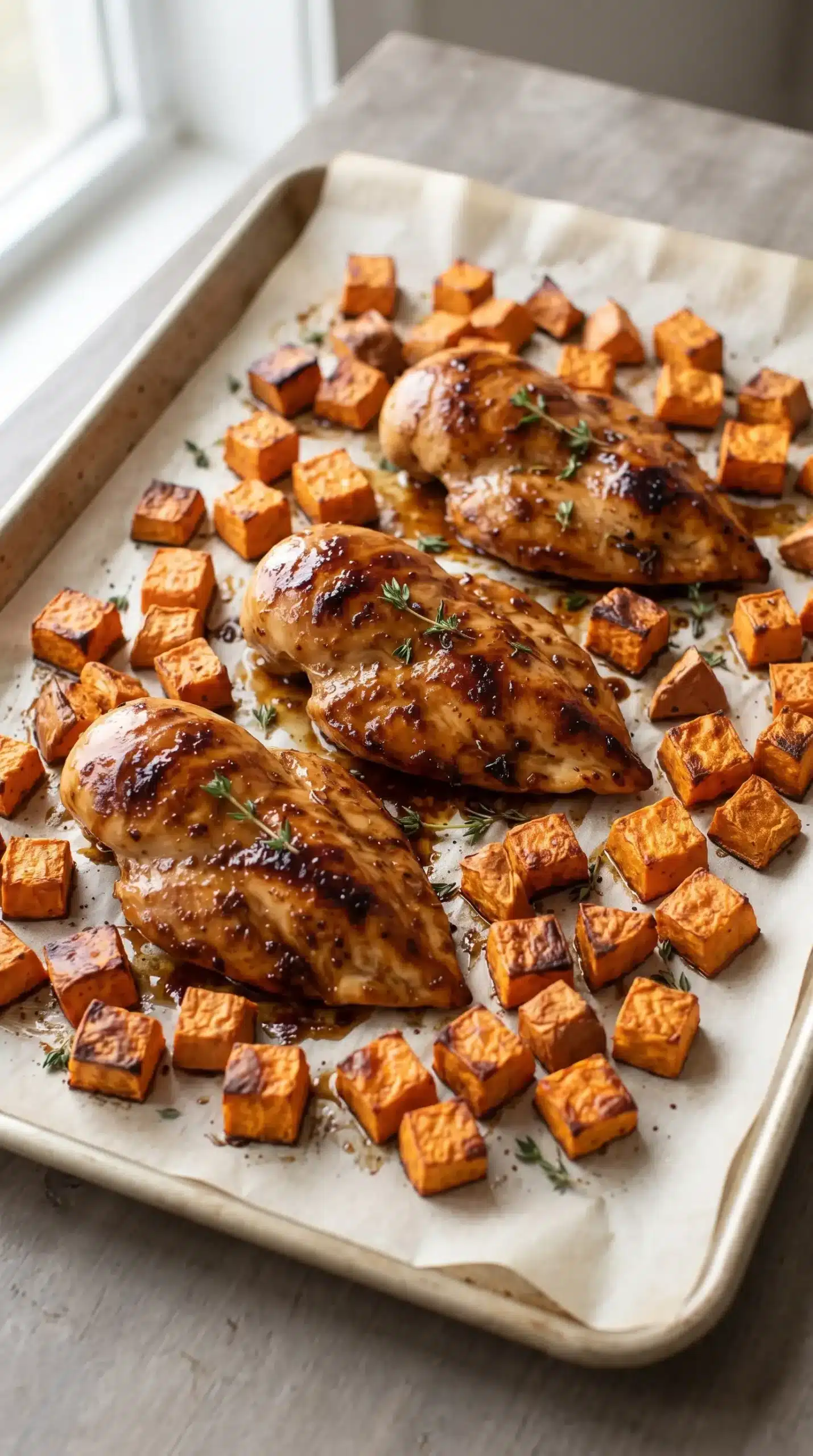
Maple glazed chicken brings together tender poultry, roasted sweet potatoes, and a concentrated syrup finish built around controlled heat. The combination works because the sheet pan environment encourages browning across both the chicken surface and the vegetable edges while the maple coating develops into a glossy layer.
Careful roasting creates the signature contrast of this meal. The chicken develops savory depth as its exterior browns, while the sweet potato cubes gain crisp edges around a soft center. The maple mixture connects those textures with a sweet and lightly tangy finish.
Unlike many multi-pan dinners, a sheet pan maple chicken approach keeps the flavors connected during cooking. The juices released during roasting remain close to the ingredients, allowing the glaze, seasonings, and roasted surfaces to create a unified finish.
Pure Maple Syrup Shapes the Glaze Character
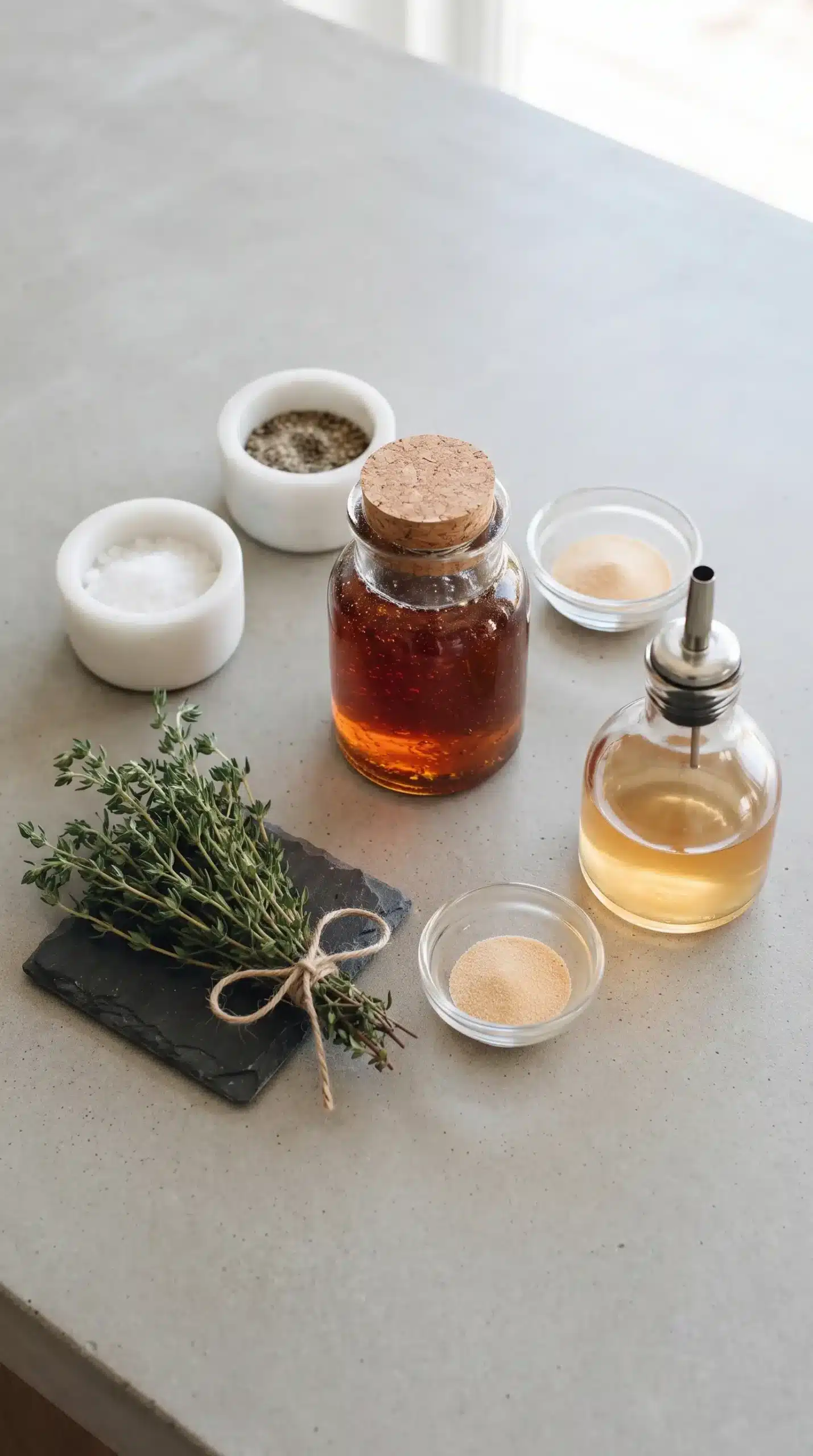
Pure maple syrup is the defining ingredient choice in maple glazed chicken with sweet potatoes because its natural sugars concentrate during roasting. A 100% pure Grade A maple syrup creates the thick coating needed for the dark, tacky surface associated with this preparation.
Apple cider vinegar balances the sweetness by introducing acidity to the glaze mixture. That small addition helps the maple flavor remain bright and prevents the finished coating from becoming one-dimensional.
Fresh thyme, garlic powder, sea salt, and black pepper support the glaze by adding savory notes around the syrup. The result is a coating that complements the chicken without hiding the roasted character of the dish.
Sweet Potato Cubes Create Roasting Contrast
Uniform sweet potato cubes are essential because their size determines how quickly the interior softens while the exterior browns. One-inch pieces provide enough surface area for roasting while maintaining a creamy center.
- Even sizing: Keeps the vegetables cooking at a similar pace across the baking sheet.
- Open surfaces: Allow dry oven heat to create browned edges.
- Balanced placement: Helps the potatoes roast without trapping excess moisture.
Sheet Pan Spacing Protects the Roasted Finish
Proper arrangement on the baking sheet has a direct effect on texture. Leaving space between the chicken and sweet potatoes allows moisture to escape so the ingredients roast with deeper color.
Roasting Controls Deliver Even Glazed Chicken
High-heat roasting depends on a few practical decisions that shape the finished meal. Drying the chicken before applying the maple mixture improves glaze contact, allowing the coating to cling during cooking. Properly prepared poultry, as used in a baked chicken breast recipe, benefits from controlled oven heat that supports a tender interior and well-developed exterior.
Midway potato turning encourages consistent browning across the cubes. The chicken remains on its side of the pan so the glaze can develop into a darker surface without interference from excess vegetable moisture.
Sweet potato preparation also influences the roasting process. Before cooking, it helps to cut sweet potatoes into chunks that are ready for even roasting alongside the chicken.
Temperature awareness is another important part of maple chicken recipe success. Checking the chicken with an instant-read thermometer confirms that the poultry reaches the proper internal temperature while preserving a juicy texture.
Common Mistakes With Maple Glazed Chicken and Sweet Potatoes
Several preparation errors can change the character of maple glazed chicken with sweet potatoes. Understanding these problems helps protect the caramelized finish and roasted texture.
| Issue | Cause | Better approach |
|---|---|---|
| Soggy vegetables | Overcrowded baking sheet | Leave room around ingredients for dry heat circulation |
| Weak glaze texture | Using a diluted syrup product | Choose pure maple syrup for better concentration |
| Sticking chicken surface | Using foil with sugary glaze | Line the pan with parchment paper |
Vinegar and Thyme Refine the Maple Chicken Recipe
Flavor balance comes from the relationship between sweetness, acidity, and herbs. The maple glaze provides richness, while apple cider vinegar adds a sharp note that keeps the roasted chicken approachable.
Pecan Topping Completes the Texture Balance
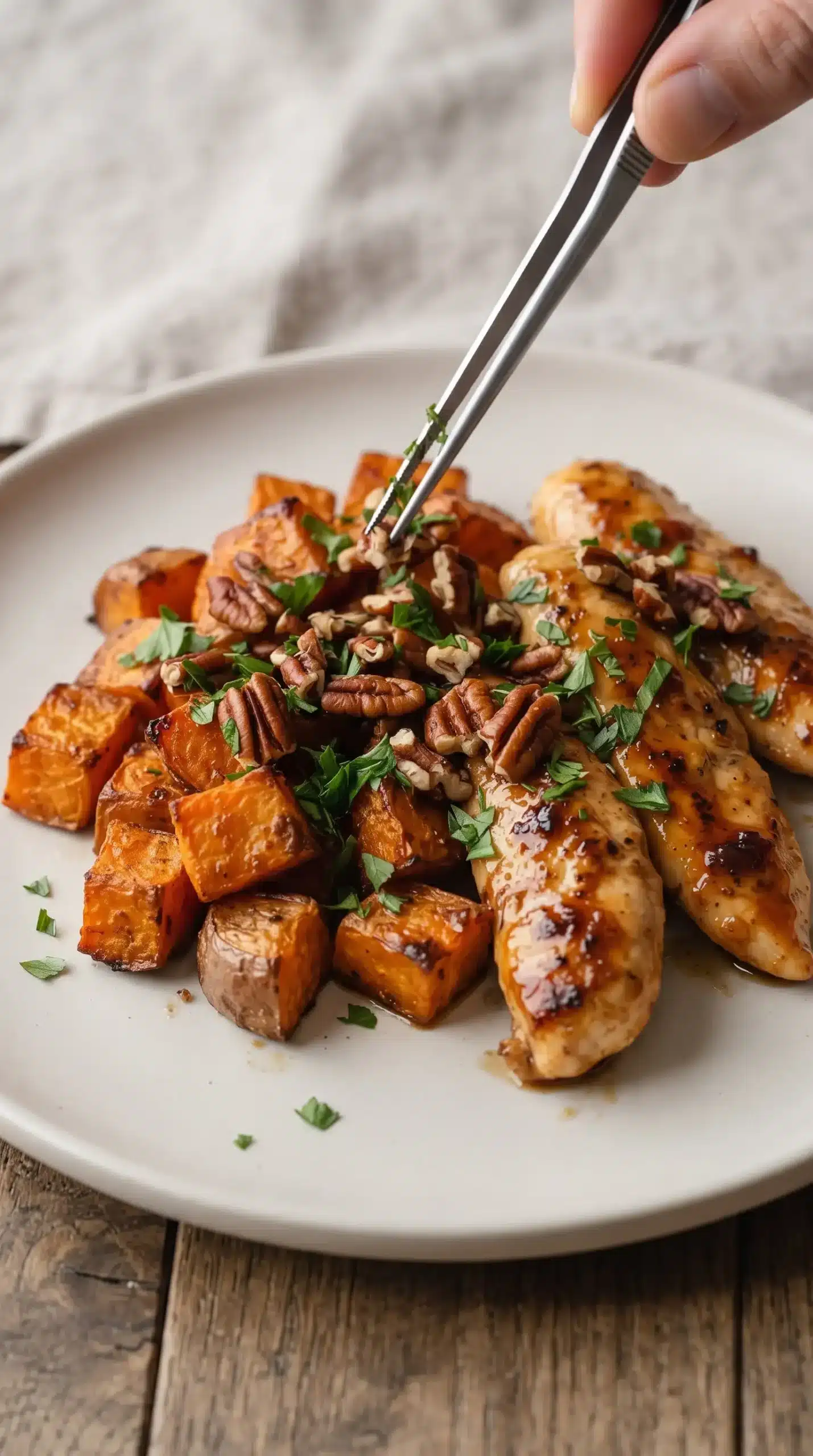
Buttered pecans introduce a contrasting finish after roasting. Toasting the chopped nuts creates an aromatic topping that pairs with the soft sweet potatoes and glossy chicken coating.
Fresh parsley adds a bright finishing element when the dish is plated. The garnish provides visual contrast and a fresh note alongside the deeper roasted flavors.
Storage Choices Preserve Glazed Chicken Quality
Leftover glazed chicken should be stored in a glass airtight container to maintain the concentrated coating. The chilled glaze becomes thicker, so gentle reheating helps restore a smoother texture.
Oven reheating at 350°F helps protect the roasted qualities of the chicken and potatoes. Adding a small splash of water or broth loosens the glaze as the meal warms.
Variations Keep Maple Glazed Chicken Flexible
Maple glazed chicken can adapt to different flavor preferences while keeping its core roasting method. A spicy version can include red pepper flakes or sriracha mixed into the maple coating for a warmer finish.
Vegetable changes can also work within the same roasting approach. Replacing part of the sweet potatoes with carrots or parsnips keeps the dish centered around similarly roasted root vegetables.
Chicken thighs offer another option for cooks who prefer darker meat. Bone-in, skin-on thighs create a richer texture and require additional roasting time compared with the original preparation.
Sheet Pan Maple Chicken Pairings Create a Complete Meal
The finished combination of glazed poultry, roasted vegetables, and crunchy pecans already creates a balanced plate. Additional sides can remain simple because the main components provide contrasting textures and flavors.
Maple Glazed Chicken Preparation Details at a Glance
The following comparisons highlight the decisions that most influence the finished dish without replacing the recipe instructions.
| Decision | Preferred choice | Result |
|---|---|---|
| Sweetener | 100% pure maple syrup | Thick, caramelized glaze |
| Pan liner | Parchment paper | Easier release and cleanup |
| Potato preparation | Uniform one-inch cubes | Soft centers with browned edges |
Maple Glazed Chicken with Sweet Potatoes Gains Its Signature Finish Through Control
Maple glazed chicken with sweet potatoes succeeds when heat, spacing, and glaze consistency work together. The browned chicken surface, concentrated maple coating, and roasted sweet potato texture depend on small preparation choices that guide the entire cooking process.
The syrup mixture creates the dish’s identity, but the roasting decisions determine the quality of the result. Balanced sweetness, controlled moisture, and careful temperature checks produce a dependable one-pan meal with a polished finish.
Maple Glazed Chicken Questions About Texture and Storage
Can maple glazed chicken be made with frozen poultry?
Frozen chicken is not recommended for this preparation because extra moisture released during roasting can weaken the glaze and prevent the sweet potatoes from developing crisp edges. Fully thawed chicken supports better browning and coating adhesion.
How can sweet potatoes become softer without overcooking the chicken?
Uniform one-inch cubes are the key adjustment because smaller, consistent pieces soften at a compatible pace with the chicken. Large uneven pieces may remain firm while the poultry reaches its finished temperature.
Why does pure maple syrup work better than pancake syrup?
Pure maple syrup provides the concentrated flavor and sugar structure needed for the glaze. Pancake syrup products can behave differently during high-heat roasting and may not create the same caramelized finish.
What causes the maple glaze to become too sticky on the pan?
The high sugar content of the glaze can adhere strongly to unsuitable surfaces. Parchment paper helps create a better release surface while protecting the roasted coating.
Can chicken thighs replace chicken breasts in maple glazed chicken?
Bone-in, skin-on chicken thighs can replace the breasts when a richer texture is preferred. The darker meat requires a longer roasting period to reach the same finished quality.
Maple Glazed Chicken with Roasted Sweet Potatoes Recipe
Ingredients
Method
- Preheat the oven to 400°F / 205°C and prepare a rimmed baking sheet with parchment paper.
- Coat the sweet potato cubes with 2 tablespoons olive oil, half of the salt, half of the pepper, and half of the garlic powder until evenly seasoned.
- Combine the maple syrup, remaining 1 tablespoon olive oil, apple cider vinegar, and fresh thyme leaves to create the glaze.
- Dry the chicken breasts, cover them with the maple glaze, then place the sweet potatoes on one side of the baking sheet and the chicken on the other side with no overlap.
- Roast the chicken and sweet potatoes for 25 to 30 minutes, turning the sweet potatoes after 15 minutes, until the chicken reaches 165°F / 74°C internally and the glaze has thickened.
- Melt the butter in a small skillet over medium heat, add the chopped pecans, and cook for about 3 minutes until fragrant.
- Spoon the pan juices over the roasted chicken, add the buttered pecans to the sweet potatoes, and finish with fresh parsley before serving.