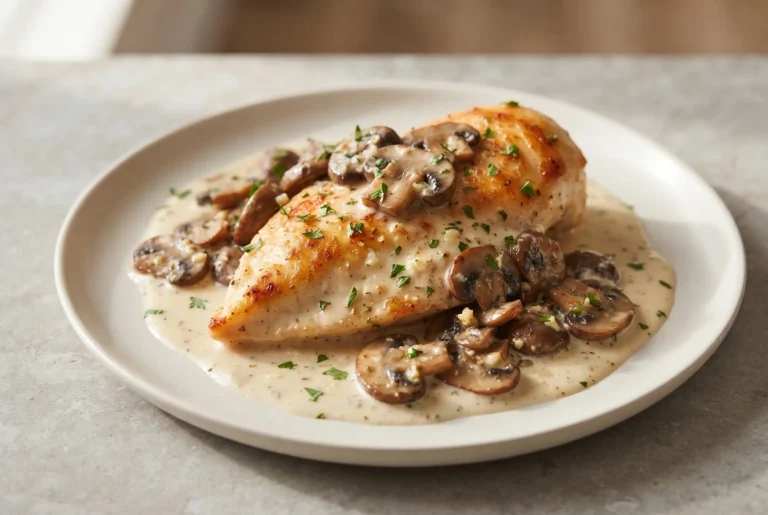
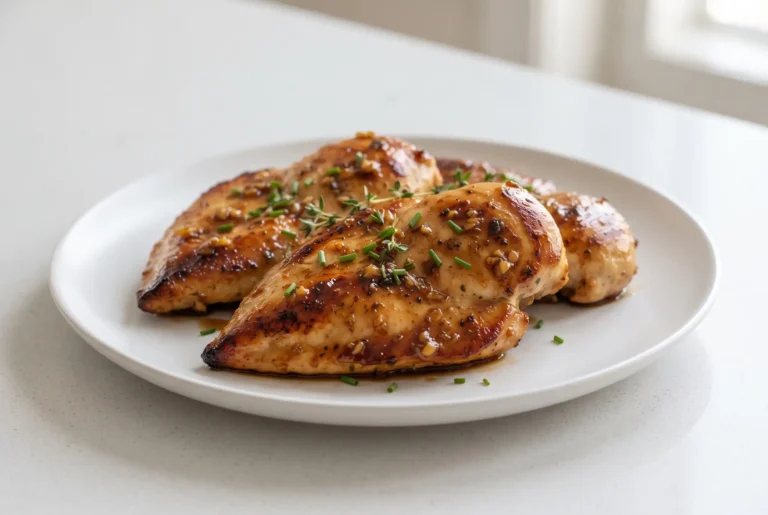
Mushroom Stuffed Chicken Breast with Cream Cheese Filling
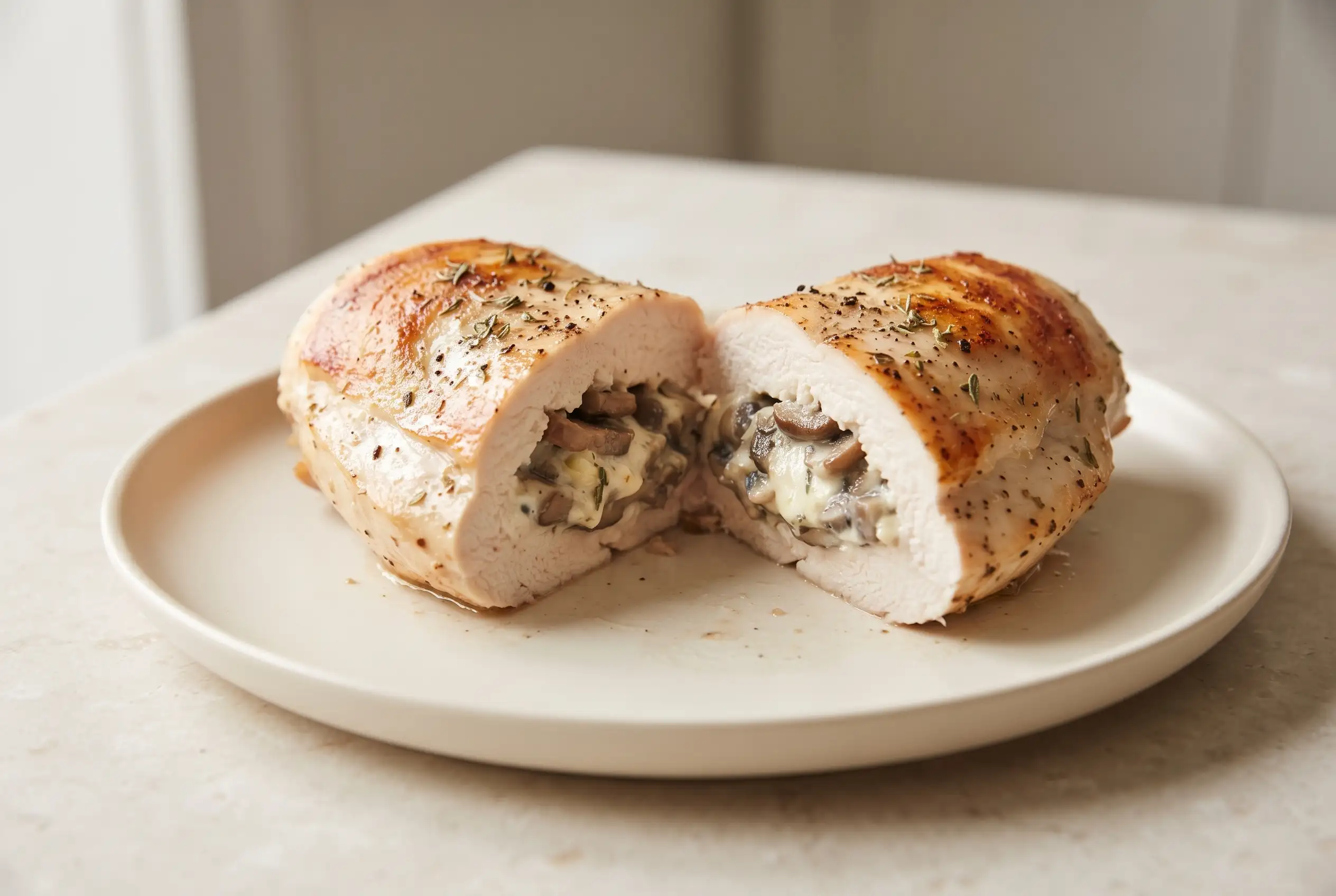
Mushroom stuffed chicken breast transforms a familiar poultry dinner into a rich, savory centerpiece by combining a browned exterior with a creamy mushroom and cheese filling. The preparation uses a carefully built interior mixture of sautéed cremini mushrooms, cream cheese, mozzarella, garlic, onion, and thyme to create a moisture-sealed pocket that keeps each bite flavorful.
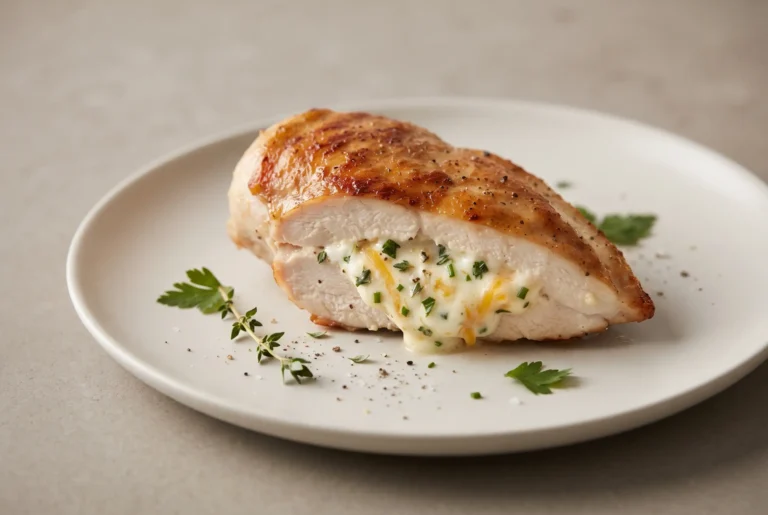
The appeal of this stuffed chicken breast recipe comes from the contrast between textures. A golden seared surface surrounds a soft cheese-based center, while the mushroom mixture develops deeper flavor after excess moisture is removed before filling the chicken.
Why Mushroom Stuffed Chicken Breast Creates a Rich Interior
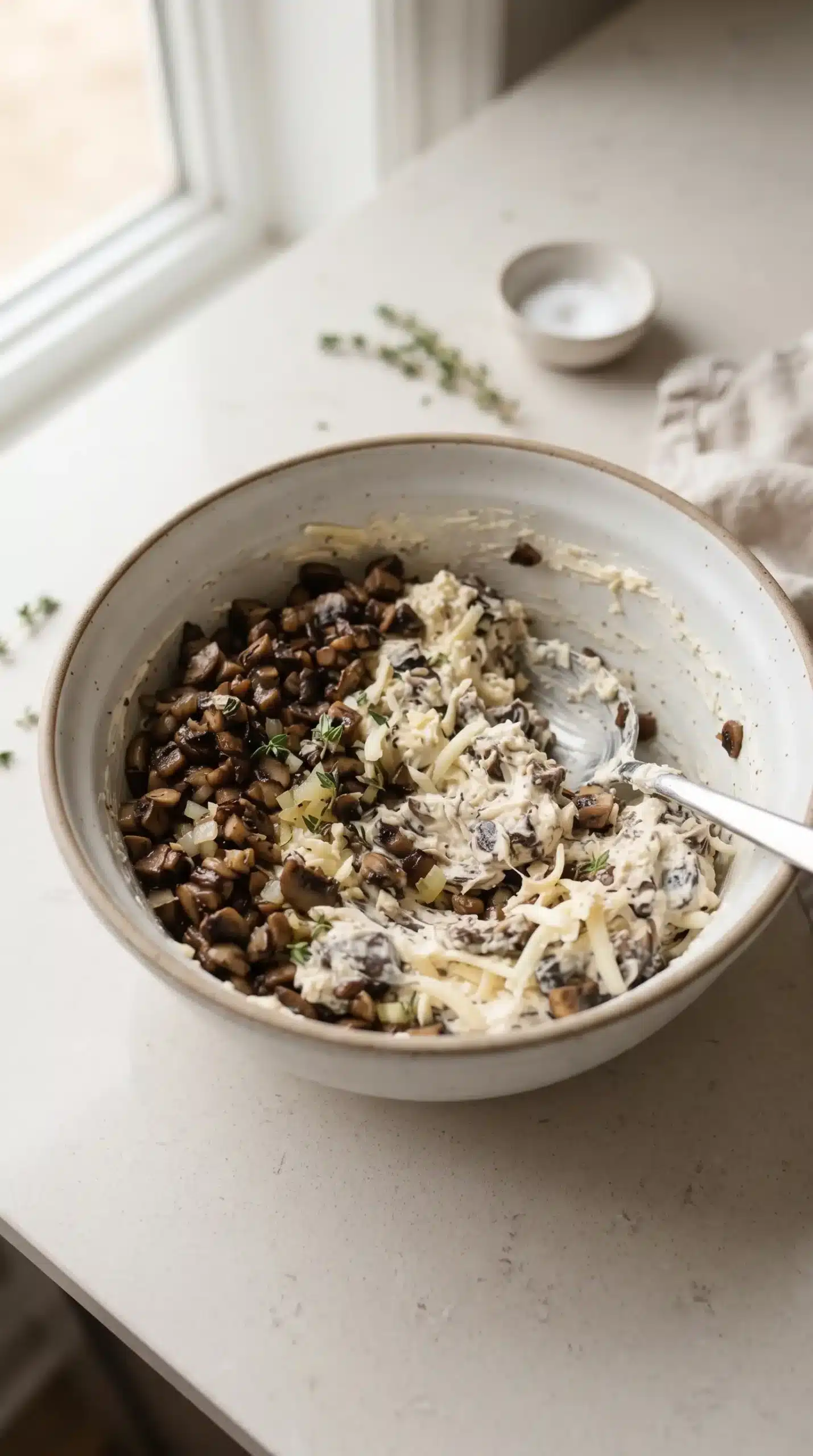
The success of mushroom stuffed chicken breast depends on controlling what happens inside the chicken as it cooks. As mushrooms release moisture during cooking, browning them before combining them with the cheese mixture creates a more concentrated filling that holds its structure.
Cream cheese forms the smooth foundation of the center, while shredded mozzarella helps create a stable texture that keeps the mushrooms distributed throughout the filling. The combination produces a rich stuffed chicken finish similar in spirit to cream cheese chicken preparations without requiring a separate sauce.
Temperature management also shapes the result. The skillet sear develops a browned outer layer before oven roasting gently finishes the meat and melts the cheese mixture. The filling helps create an insulated cooking environment where richness remains inside the chicken.
Mushroom and Cheese Choices Shape the Filling Character
The ingredients selected for the filling influence both flavor and texture. Finely diced cremini mushrooms provide the earthy foundation, while yellow onion and garlic establish the aromatic base that supports the creamy components.
Fresh thyme brings a bright herbal note that balances the deeper mushroom flavors. Full-fat cream cheese contributes body, and mozzarella provides the stretchy structure needed for a dependable stuffed center.
| Filling element | Preparation choice | Effect on the finished chicken |
|---|---|---|
| Mushrooms | Finely diced and cooked until moisture evaporates | Creates a concentrated, stable savory filling |
| Cream cheese | Softened before mixing | Provides a smooth creamy texture |
| Mozzarella | Shredded and blended into filling | Helps hold the mixture together |
A mushroom stuffed chicken recipe benefits from attention to these ingredient relationships because the filling must remain creamy while still staying contained inside the chicken pocket.
The Pocket Cut Determines Stuffed Chicken Breast Stability
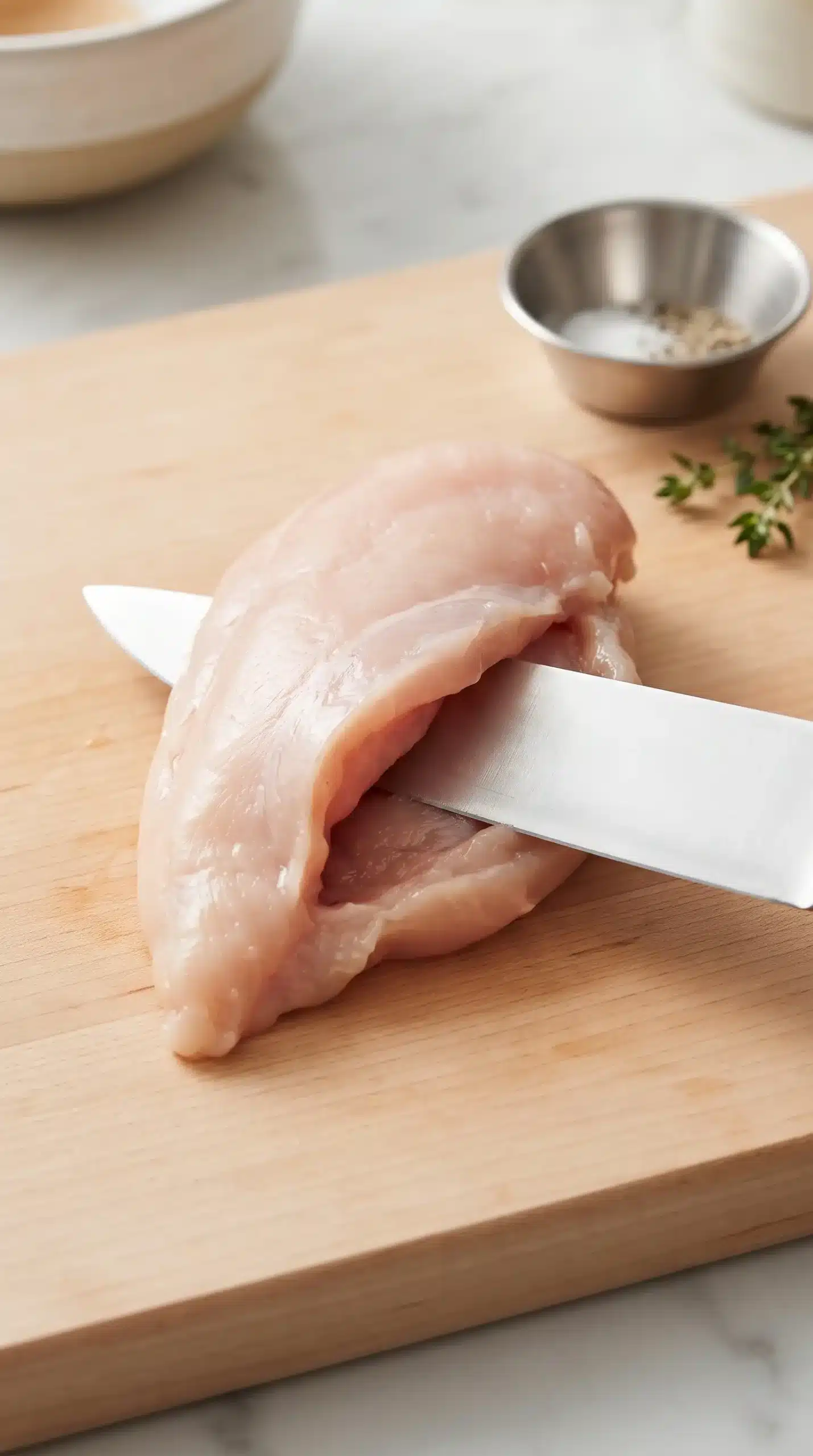
Creating a horizontal pocket in the thickest part of each chicken breast gives the filling a protected space while keeping the exterior intact. A careful cut that stops before reaching the opposite side allows the chicken to close around the mushroom mixture during cooking.
Searing and Oven Control Improve the Chicken Finish
Cooking control separates a successful stuffed chicken breast from one with uneven texture. Drying the chicken surface before seasoning improves contact with the hot skillet, allowing the exterior to develop a golden crust during searing.
The initial high-heat stage creates deeper surface flavor through browning. Once the chicken moves into the oven, gentler heat allows the cheese filling to warm and the chicken to finish cooking without excessive exterior drying.
Checking the thickest part of the meat instead of the filling provides the most reliable indication of doneness. Resting after cooking allows the interior juices to settle and helps the cheese center maintain its shape when sliced.
Mistakes That Can Affect Mushroom Stuffed Chicken Breast Results
Small preparation errors can change the texture and appearance of mushroom stuffed chicken breast. Paying attention to filling consistency, pocket size, and surface preparation helps prevent common problems before they occur.
- Watery filling: Mushrooms that retain excess moisture can weaken the creamy mixture and make the pocket harder to seal.
- Overfilled pockets: Too much filling creates pressure during cooking and increases the chance of leakage around the opening.
- Soft exterior: Surface moisture on the chicken can interfere with the browned crust developed during searing.
- Cutting too soon: Slicing immediately after cooking can disturb the settled filling and release interior juices.
Correcting these issues starts with preparation choices made before cooking. Cooking mushrooms until the pan is dry, leaving space at the pocket opening, and allowing a short rest period all support a cleaner final presentation.
Chicken Preparation Decisions Improve the Finished Dish
Boneless, skinless chicken breasts provide the shape needed for the pocket technique used in this mushroom stuffed chicken recipe. Keeping the cut controlled preserves enough meat around the filling for even cooking and a polished presentation.
Texture Layers Make the Finished Plate More Appealing
The finished dish relies on several contrasting textures working together. The outer chicken develops firmness from searing, while the center remains creamy because the cheese mixture melts around the sautéed mushrooms.
Freshly prepared filling creates a more cohesive result because softened cream cheese blends smoothly with mozzarella and the mushroom mixture. The cheese structure helps prevent the filling from separating as it warms.
The resting period after roasting has a direct effect on serving quality. A short pause gives the interior time to stabilize so each portion keeps a defined pocket of mushroom and cheese filling.
Serving Ideas Highlight the Savory Chicken Center
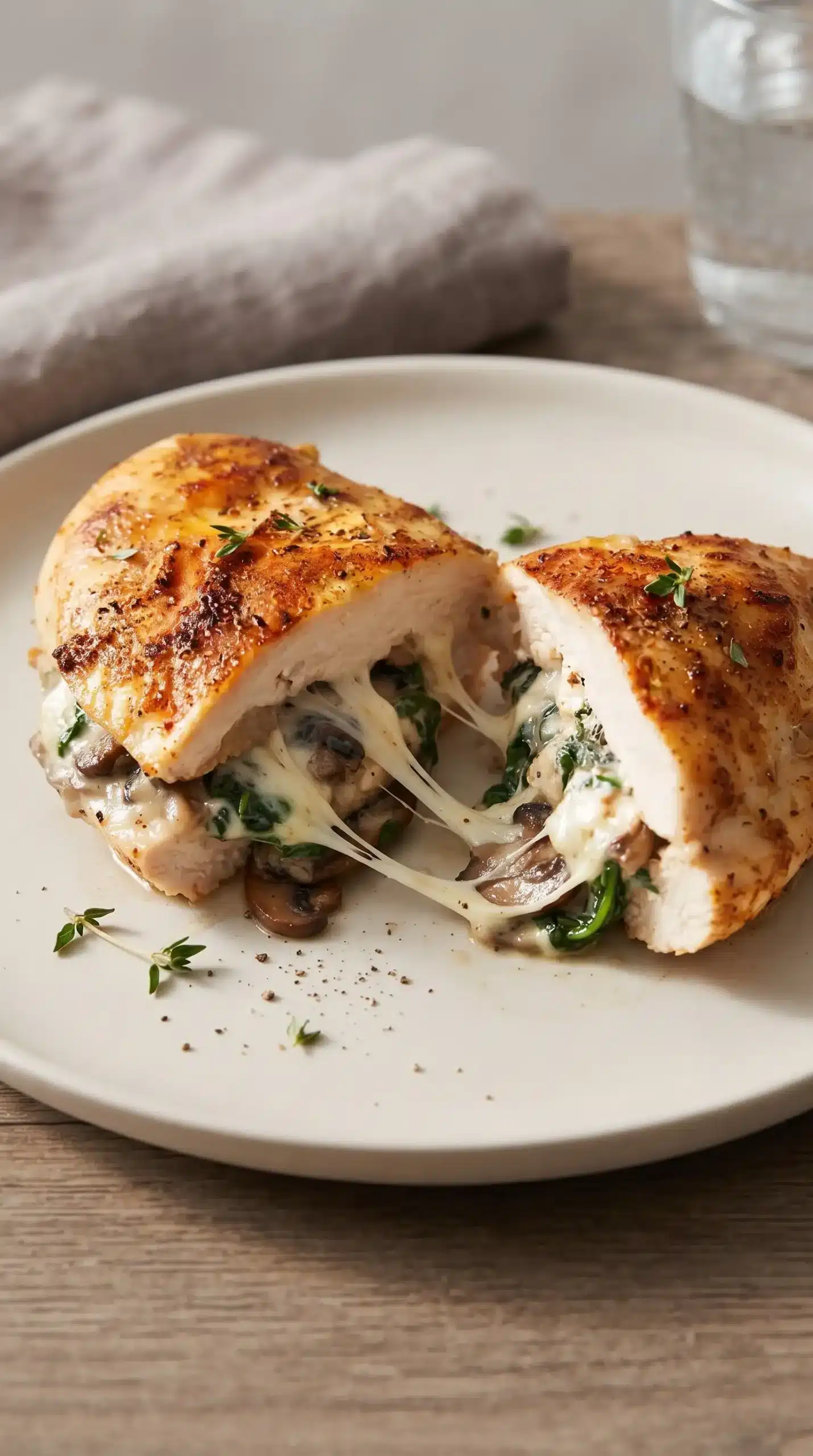
Mushroom stuffed chicken breast works best when the sliced interior remains visible, allowing the creamy filling and browned exterior to become part of the presentation. The dish naturally suits dinners where a rich main protein is the focus.
Variations Expand the Mushroom Stuffed Chicken Recipe
Several adjustments can change the flavor direction while preserving the stuffed chicken structure. A spinach and feta version replaces part of the mushroom mixture with wilted, squeezed-dry spinach and feta cheese for a Mediterranean-inspired profile.
Additional savory depth can come from mixing white miso or Worcestershire sauce into the filling before stuffing. These additions complement the existing mushroom flavors without changing the basic pocket technique.
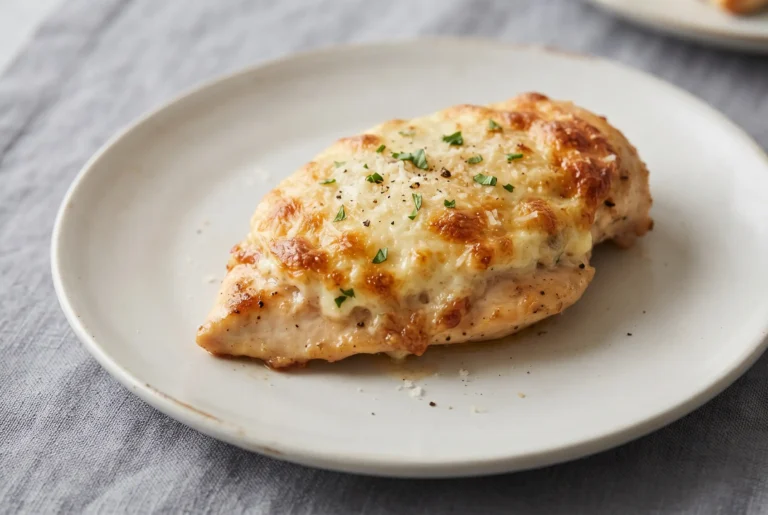
A crisp topping variation introduces another texture by adding panko breadcrumbs and parmesan cheese after searing and before the oven stage. The added layer creates a different finish while keeping the creamy center intact.
Storage Keeps the Creamy Chicken Filling Intact
Cooked portions can be stored in an airtight glass container after cooling. Gentle reheating in a moderate oven helps preserve the exterior texture while warming the cheese filling without making the chicken overly firm.
Filling Approaches Compared for Stuffed Chicken
| Approach | Main texture result | Best use |
|---|---|---|
| Mushroom and cheese center | Creamy with earthy savory notes | Classic rich stuffed chicken presentation |
| Spinach and feta variation | Soft with tangy cheese character | Mediterranean-style flavor change |
| Panko and parmesan topping | Crisp exterior contrast | Added surface texture after searing |
Cooking Awareness Builds a Reliable Chicken Dinner
Successful preparation comes from recognizing how each stage affects the final result. Moisture removal from the mushrooms protects the filling, careful pocket construction keeps the center contained, and controlled heat preserves the chicken’s tenderness.
The combination of searing and roasting creates a balanced finish where the exterior develops savory depth while the interior remains rich. These choices allow the dish to deliver consistent texture without relying on complicated techniques.
Attention to small details also improves repeatability. Grating mozzarella from a block, drying the chicken surface, and allowing the finished chicken to rest all support a more refined result.
Mushroom Stuffed Chicken Breast Delivers Balanced Comfort Through Technique
The browned chicken exterior and creamy mushroom center show how careful preparation changes a simple poultry cut into a more complete dish. Moisture control, filling stability, and cooking temperature work together to maintain the qualities that define the recipe.
A well-sealed filling creates the characteristic contrast of tender chicken surrounding a savory cheese and mushroom mixture. Each decision from sautéing the mushrooms to resting the cooked chicken contributes to a finished plate with dependable texture and flavor.
Can Mushroom Stuffed Chicken Breast Leak or Lose Its Filling?
How can I prevent the filling from escaping during cooking?
Keeping the pocket from becoming overfilled is the most important step. Leave space near the opening and secure the chicken with angled toothpicks so the filling remains contained while the meat cooks.
Can I use chicken thighs for this stuffed chicken recipe?
Chicken thighs can be used, but their smaller and less uniform shape makes traditional pocket stuffing more difficult. Rolling the meat around the filling and securing it with kitchen twine is a better approach for thighs.
Why should mushrooms be cooked before adding them to the filling?
Cooking the mushrooms first removes excess moisture and creates a more concentrated flavor. A drier mushroom mixture blends more effectively with the cream cheese and mozzarella.
What helps the chicken develop a golden crust?
Drying the outside of the chicken before seasoning helps the surface brown during searing. Excess moisture can create steam and reduce the crust development needed for a flavorful exterior.
How should leftover stuffed chicken be reheated?
Using a moderate oven reheats the chicken more gently and helps maintain the texture of both the exterior and the creamy filling. High microwave power can make the meat less pleasant by heating it too aggressively.
Mushroom Stuffed Chicken Breast with Cream Cheese Filling
Ingredients
Method
- Warm 1 tablespoon olive oil in a skillet over medium-high heat. Add the onion and garlic, then cook until the onion becomes translucent.
- Stir in the diced mushrooms and cook for about 3 minutes without stirring. Continue cooking until the released moisture has cooked away.
- In a bowl, mix the cooked mushroom mixture with cream cheese, mozzarella, thyme, half of the salt, and half of the black pepper until the filling is evenly blended.
- Slice a pocket horizontally into the thickest section of each chicken breast, taking care not to cut through the opposite side.
- Fill each chicken pocket evenly with the mushroom cream cheese mixture and close the openings with two toothpicks per breast.
- Season the outside of the stuffed chicken breasts with the remaining salt and black pepper.
- Heat the remaining olive oil in an oven-safe skillet over medium-high heat. Sear the stuffed chicken breasts for 3 minutes on each side.
- Place the skillet in a preheated oven at 375°F / 190°C and roast for 15-20 minutes, until the thickest part of the chicken reaches 165°F / 74°C.
- Allow the stuffed chicken breasts to rest for 5 minutes, then remove the toothpicks before serving.