Honey Garlic Chicken Breasts with Honey Soy Glaze Recipe
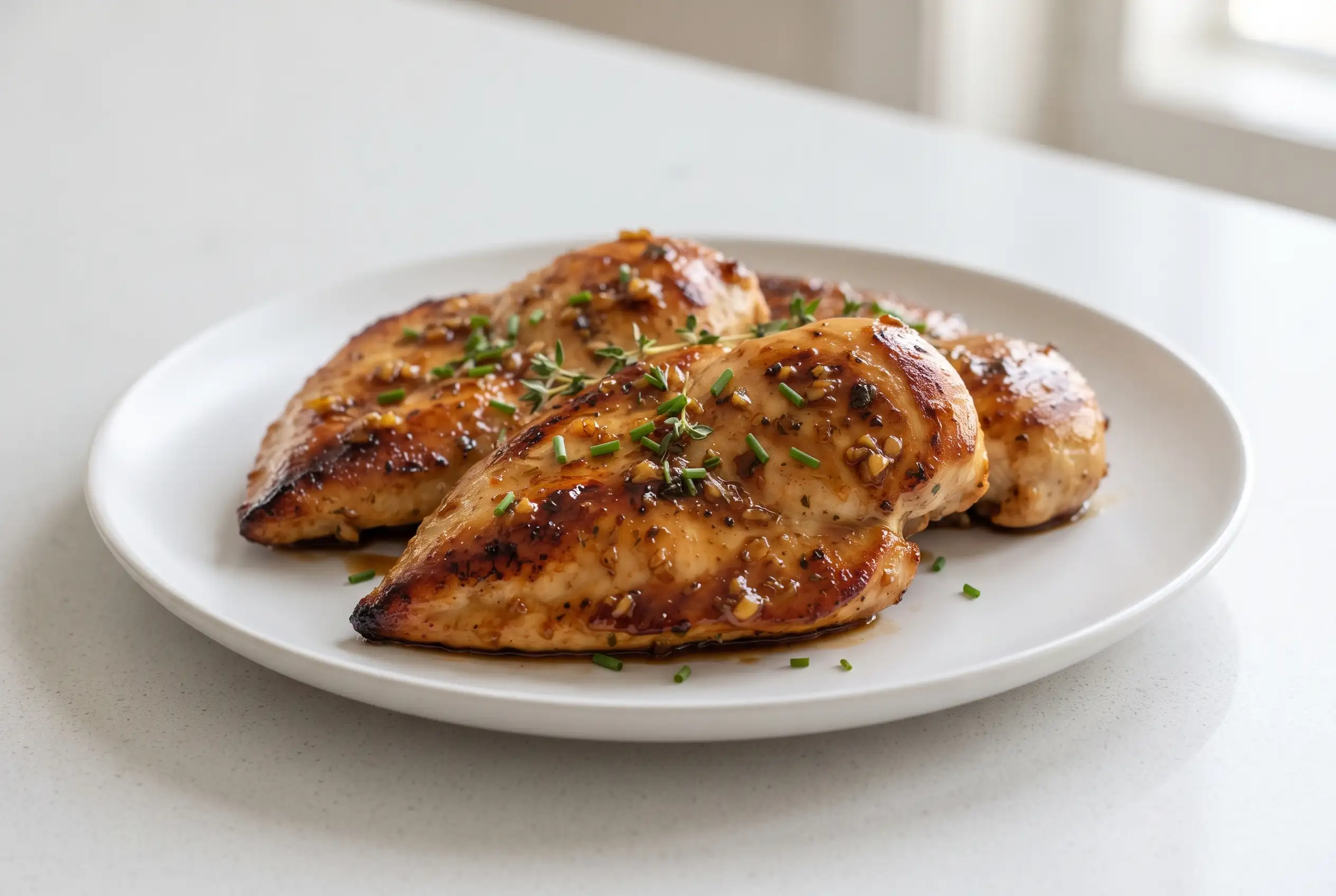
Honey garlic chicken breasts bring together a deeply browned chicken surface, fresh garlic aroma, and a glossy honey-soy coating in a quick skillet meal built around contrast. The honey garlic chicken breasts technique succeeds because each stage has a clear purpose: searing creates texture, deglazing captures savory pan flavors, and reduction transforms simple ingredients into a balanced lacquer.
A well-executed honey garlic chicken breast recipe does not depend on a complicated sauce. The character comes from managing heat, moisture, and timing so the sweet glaze clings to the chicken without becoming overly heavy or sticky.
Honey Garlic Chicken Breasts Create a Glossy Sweet Savory Finish
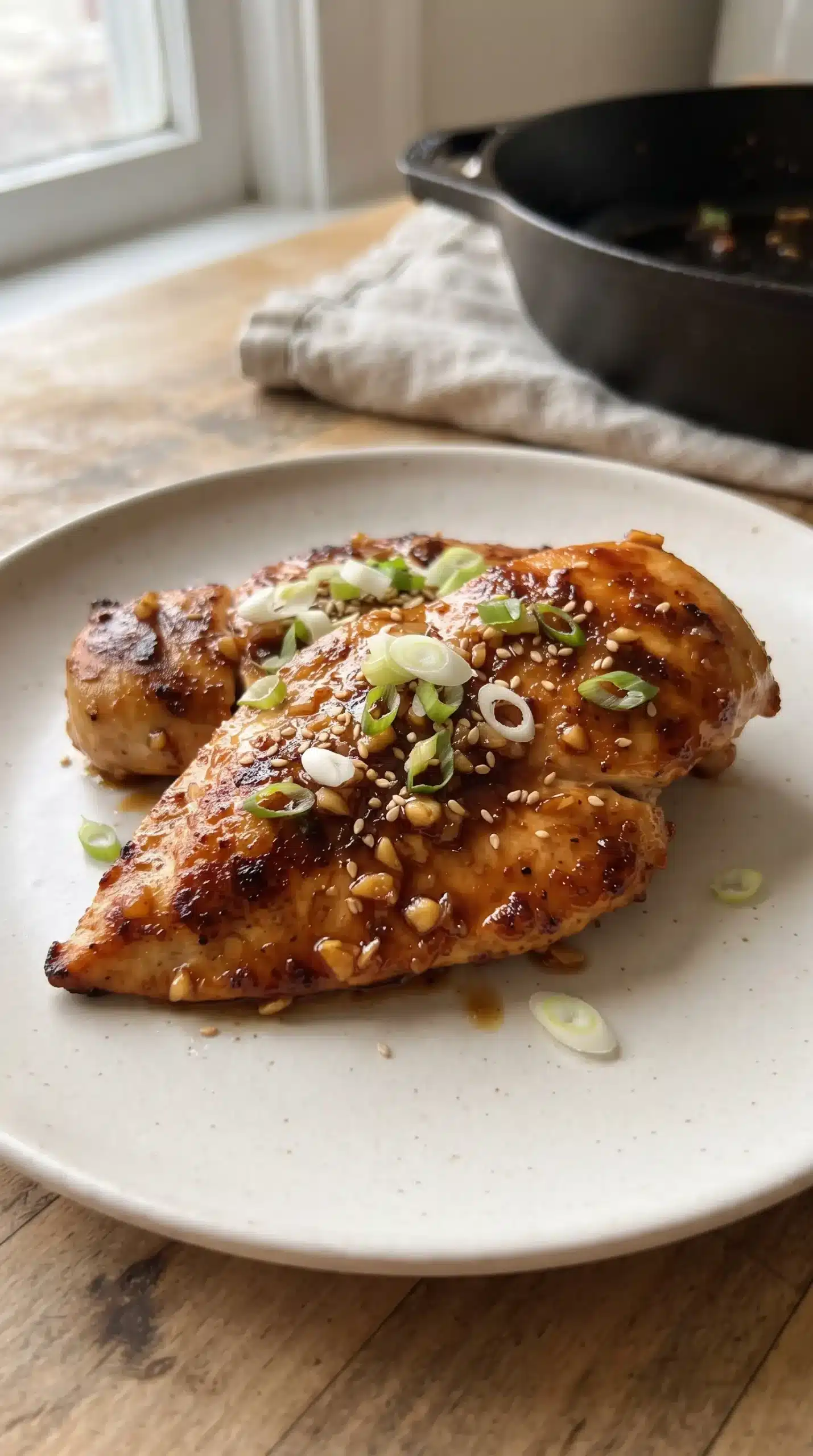
The appeal of honey garlic chicken breasts comes from the interaction between a caramelized chicken exterior and a concentrated sauce. Cutting the chicken into even portions allows the surface to brown consistently, creating the foundation needed for the honey and soy mixture to coat every bite.
Fresh garlic gives the glaze its aromatic backbone, while honey provides the sweetness that becomes richer as the sauce reduces. Soy sauce adds salt and depth, creating a savory balance that keeps the sweetness focused and prevents the finished dish from tasting one-dimensional.
Unlike a sauce that is simply poured over cooked meat, this preparation builds flavor inside the skillet. The browned pieces left behind after searing become part of the glaze, giving the finished chicken a more complex profile and a restaurant-style appearance.
The Pan Reduction Defines Honey Garlic Chicken Breasts Flavor
The reduction process is the defining choice behind this dish. As the honey and soy mixture simmers with the chicken juices, excess moisture evaporates and the sauce becomes thicker, allowing the coating to follow the shape of the chicken instead of running across the plate.
Garlic and Honey Balance the Sauce Structure
Ingredient selection has the greatest effect on the finished glaze because each component has a specific role, much like the balanced sweetness and acidity found in honey mustard chicken breast preparations. Fresh garlic should be finely prepared so its flavor disperses evenly through the sauce, while honey must be paired with enough savory liquid to create a smooth coating.
The honey-to-soy relationship creates the foundation of the honey garlic chicken breasts sauce. Honey contributes natural sweetness and body, while low-sodium soy sauce provides the salty element needed to sharpen the overall flavor. Keeping these two elements balanced allows the glaze to remain glossy instead of becoming aggressively sweet.
Neutral oil also matters because it supports the initial sear without competing with the garlic and honey flavors. Optional toppings such as sliced green onions or sesame seeds add a finishing contrast that highlights the shine and color of the reduced sauce.
Choosing Chicken Cutlets Improves Glaze Coverage
Uniform chicken pieces make the cooking process more predictable. Halving chicken breasts lengthwise creates thinner cutlets that brown evenly and allow the honey garlic coating to surround the meat during the finishing stage.
Searing Control Shapes the Pan Seared Honey Garlic Chicken Result
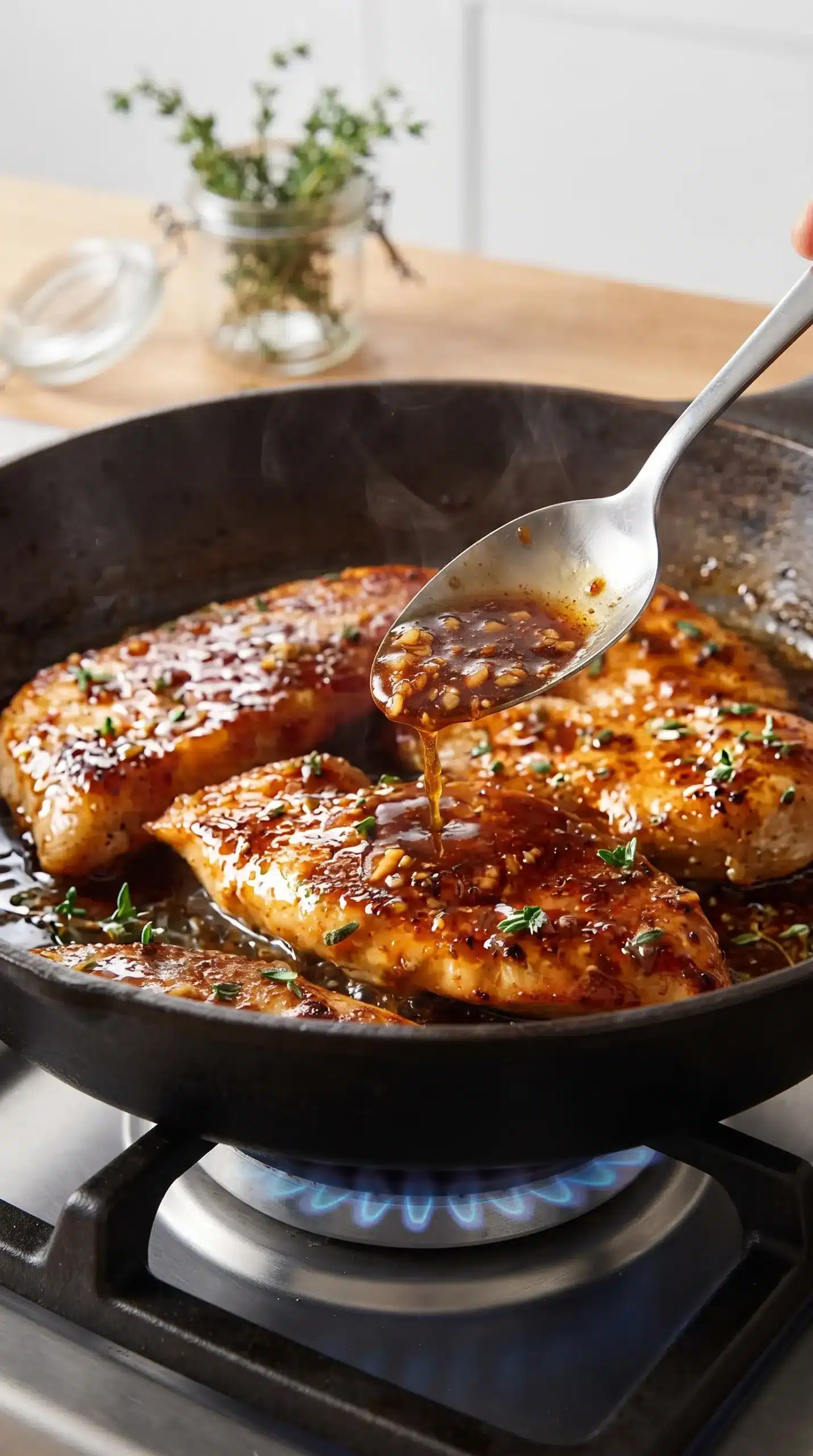
The first cooking stage determines how well the glaze attaches to the finished chicken. A hot heavy skillet encourages browning on the surface, forming the textured layer that gives the sauce something to cling to.
Careful temperature management continues after the chicken is removed. Lowering the heat before adding garlic protects the delicate aromatics from scorching, allowing the garlic oils to blend into the sauce without introducing bitterness.
Finishing the chicken in the simmering glaze creates the signature texture of this pan seared honey garlic chicken. The sauce surrounds the meat during the last cooking stage, helping maintain tenderness while the liquid concentrates into a thicker coating.
Honey Garlic Chicken Breasts Mistakes That Ruin the Glaze
Small timing errors can change the texture and flavor of honey garlic chicken breasts. Avoiding these problems keeps the sauce smooth and preserves the balance between sweetness, saltiness, and garlic aroma.
- Burning garlic: Adding garlic to an overheated skillet can create a bitter flavor that spreads throughout the glaze. Lower the heat after searing and stir the garlic briefly until fragrant.
- Skipping the sear: Chicken without a browned exterior gives the sauce a weaker surface to hold onto. Building color first improves both texture and glaze coverage.
- Over-reducing sauce: A glaze that becomes overly thick can turn tacky. A small splash of water or chicken broth can loosen the texture back into a silky coating.
Another common issue is seasoning too heavily before the soy sauce enters the pan. Because the sauce already contributes salt, the chicken needs a lighter touch during the initial seasoning stage.
Sauce Reduction Decisions Keep the Lacquer Smooth
A glossy finish depends on watching the sauce as it changes. When the bubbling liquid becomes concentrated enough to coat the back of a spoon, the glaze has reached the texture needed to cover the chicken evenly.
Serving Pairings Bring Out Sticky Honey Garlic Chicken
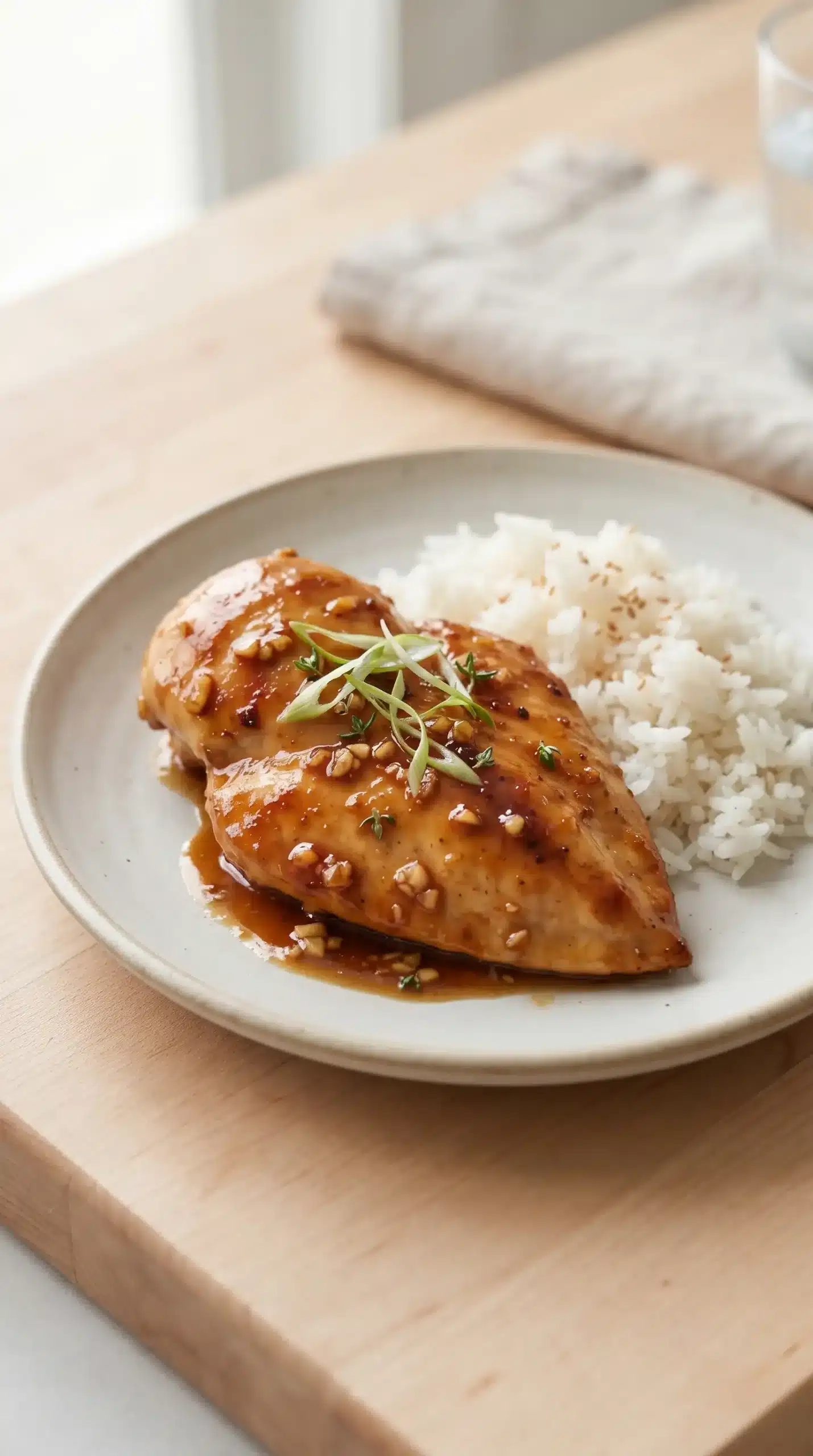
Sticky honey garlic chicken works well with simple accompaniments that allow the glaze to remain the focus. Neutral sides can absorb the sweet-savory sauce, while fresh garnishes provide contrast against the rich coating.
Variations Adjust Honey Garlic Chicken Breasts Without Losing Balance
The core glaze can support different flavor directions while keeping the same skillet technique. Each variation changes the character of the sauce without removing the relationship between sweetness, aromatics, and savory depth.
- Spicy finish: Adding Sriracha or red pepper flakes creates a hot honey effect with extra heat.
- Ginger addition: Freshly grated ginger introduces a brighter, peppery note alongside the garlic.
- Chicken thigh option: Boneless, skin-on thighs create a richer version because the rendered fat contributes additional flavor to the reduction.
These adjustments work because the honey and soy base remains flexible. The changes influence aroma and richness while preserving the glossy coating that defines the dish.
Storage Choices Protect the Honey Soy Finish
Honey garlic chicken breasts can be stored in an airtight container after cooking, with cooked leftovers 3-4 days when kept refrigerated properly. Keeping the chicken with its glaze helps maintain moisture and preserves the connection between the meat and sauce during storage.
Reheating Keeps the Glaze Attached to Chicken
Gentle reheating helps protect the texture of the chicken and keeps the sauce smooth. Warming the pieces in a skillet over low heat with a small splash of water allows the glaze to loosen and coat the surface again.
Understanding the Glossy Chicken Finish
The visual appeal of this dish comes from a combination of browning and reduction. The initial sear creates deeper color on the chicken, while the later simmer concentrates the honey and soy mixture into a reflective coating.
Cooking chemistry plays an important role in the finished appearance. The browned chicken surface provides savory complexity, and the sugars in the honey become more concentrated as moisture leaves the pan.
Temperature awareness connects every part of the process. The chicken must reach a safe finished temperature while the sauce develops its proper texture, requiring attention to both the meat and the skillet environment.
Honey Garlic Chicken Breasts Deliver Reliable Sear and Glaze Control
Honey garlic chicken breasts succeed when the skillet is used as a flavor-building tool. The browned chicken surface, aromatic garlic, and reduced honey-soy sauce depend on one another to create a finish that is both glossy and balanced.
Consistent results come from respecting the order of decisions: create color, protect the aromatics, and allow the glaze to concentrate around the chicken. The finished dish reflects careful control of simple ingredients rather than unnecessary complexity.
Honey Garlic Chicken Breasts Questions About Glaze and Cooking
How do I keep the honey glaze from becoming too sticky?
The glaze stays smoother when the honey and soy sauce are reduced carefully instead of cooked until all moisture disappears. If the coating becomes too thick, whisking in a small amount of water or chicken broth helps restore a silky texture.
Can honey garlic chicken breasts be made with thicker chicken pieces?
Thicker pieces can be used, but uniform cutlets provide more even cooking and better glaze coverage. Preparing the chicken to a similar thickness helps prevent some portions from finishing before others.
Why does the garlic flavor become bitter sometimes?
Garlic can turn bitter when it is exposed to excessive heat for too long. Adding it after the skillet temperature is reduced and cooking it briefly protects the fresh aroma needed for the sauce.
What creates the glossy appearance of the sauce?
The shine comes from reducing the honey-soy mixture until the liquid becomes concentrated enough to coat the chicken. The combination of reduced sugars and savory pan flavors creates the characteristic lacquered finish.
Can I use another cut of chicken for this preparation?
Boneless, skin-on chicken thighs are a suitable alternative when a richer result is desired. Their added fat contributes a deeper flavor to the honey garlic reduction while keeping the same overall cooking approach.
Honey Garlic Chicken Breasts with Honey Soy Glaze Recipe
Ingredients
Method
- Heat the vegetable oil in a heavy skillet over medium-high heat.
- Season the chicken cutlets lightly with sea salt and black pepper.
- Sear the seasoned chicken cutlets for 5–6 minutes per side until browned and the chicken reaches about 155°F (68°C) internally, then remove from the skillet.
- Lower the heat to medium, add the minced garlic to the same skillet, and cook for 30–60 seconds while stirring until fragrant.
- Add the honey and soy sauce to the skillet, scraping up the browned bits to combine them with the glaze.
- Return the chicken cutlets and any collected juices to the skillet, then simmer the glaze for about 5 minutes while spooning the sauce over the chicken.
- Continue cooking until the chicken reaches 165°F (74°C) and the glaze becomes thick enough to coat the back of a spoon.
- Remove the chicken from the heat and serve with the honey soy glaze spooned over the top, adding green onions or sesame seeds if desired.