Dragon Chicken Recipe with Spicy Chili Garlic Sauce
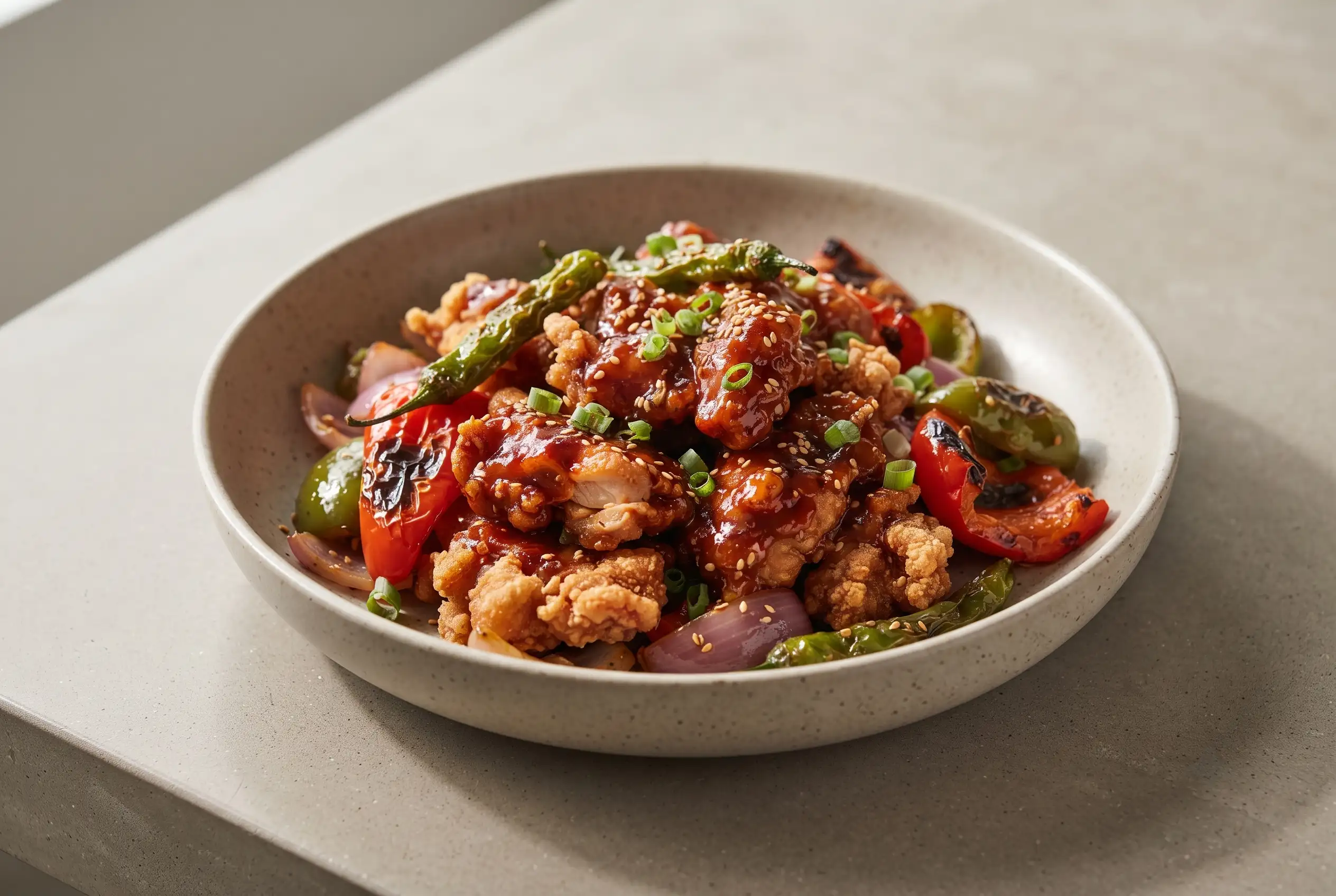
Dragon chicken recipe fans look for a dish that combines crisp poultry, bold chilies, and a glossy savory coating in one memorable stir-fry. This Indo-Chinese favorite creates its appeal through contrast: tender chicken pieces carry a spicy glaze while charred vegetables add freshness and texture. The technique centers on controlling heat, protecting moisture, and building layers of flavor directly in the pan.
A well-made spicy dragon chicken recipe depends on more than a strong sauce. The chicken needs a surface that can hold the glaze, the aromatics need careful timing, and the vegetables need enough heat to develop color without losing their bite. These choices create the restaurant-style character associated with this crispy chicken stir fry.
Dragon Chicken Brings Indo-Chinese Heat to the Table
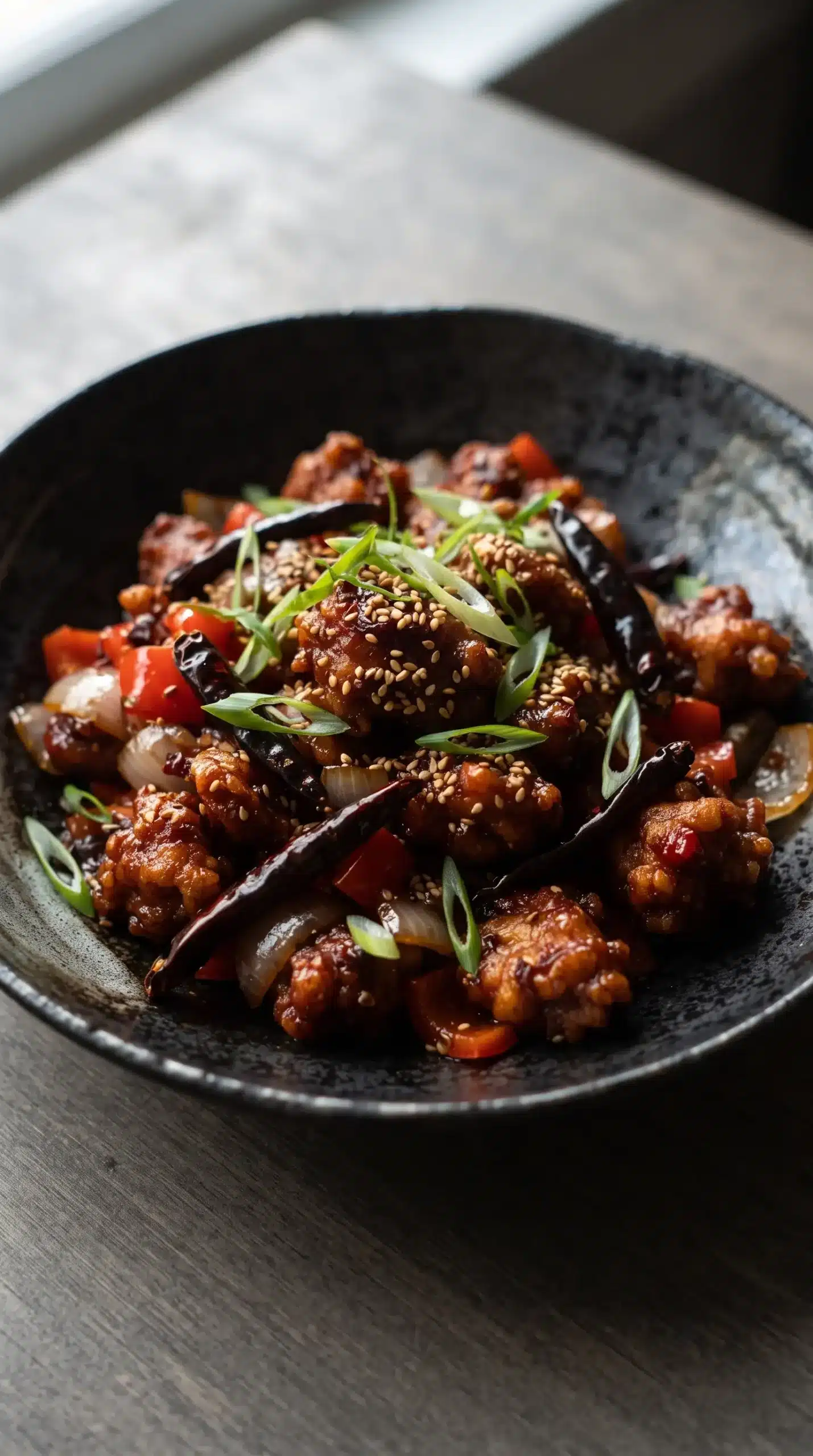
Dragon chicken is recognized for its balance of sweet, spicy, and savory notes. The dish uses chicken thighs coated with a flavorful mixture before high-heat cooking creates a browned exterior. Chili garlic sauce provides the signature heat, while soy sauce and oyster sauce build the deeper savory profile.
Unlike simple fried chicken dishes, an Indo-Chinese dragon chicken preparation relies on the interaction between the coating and the sauce. The cornstarch layer helps the chicken develop a lightly crisp outside that can capture the thick glaze created during the final toss.
Sauce Balance Defines the Signature Flavor
The character of a dragon chicken recipe comes from how the spicy elements work with the savory foundation. Chili garlic sauce brings heat and brightness, while dark soy sauce contributes color and depth. Oyster sauce supports the mixture with a rich taste that helps create a rounded finish alongside techniques used in glazed chicken preparations.
Garlic and ginger add aromatic intensity after the chicken has been cooked. Adding these ingredients to the hot oil releases their fragrance quickly, creating a flavorful base for the vegetables and chicken to join later.
Sweet and spicy flavors remain connected because the sauce cooks onto the ingredients instead of sitting separately. The brief high-heat finishing stage allows the coating to become glossy and cling closely to each piece of chicken.
Cornstarch Marinade Shapes the Chicken Texture
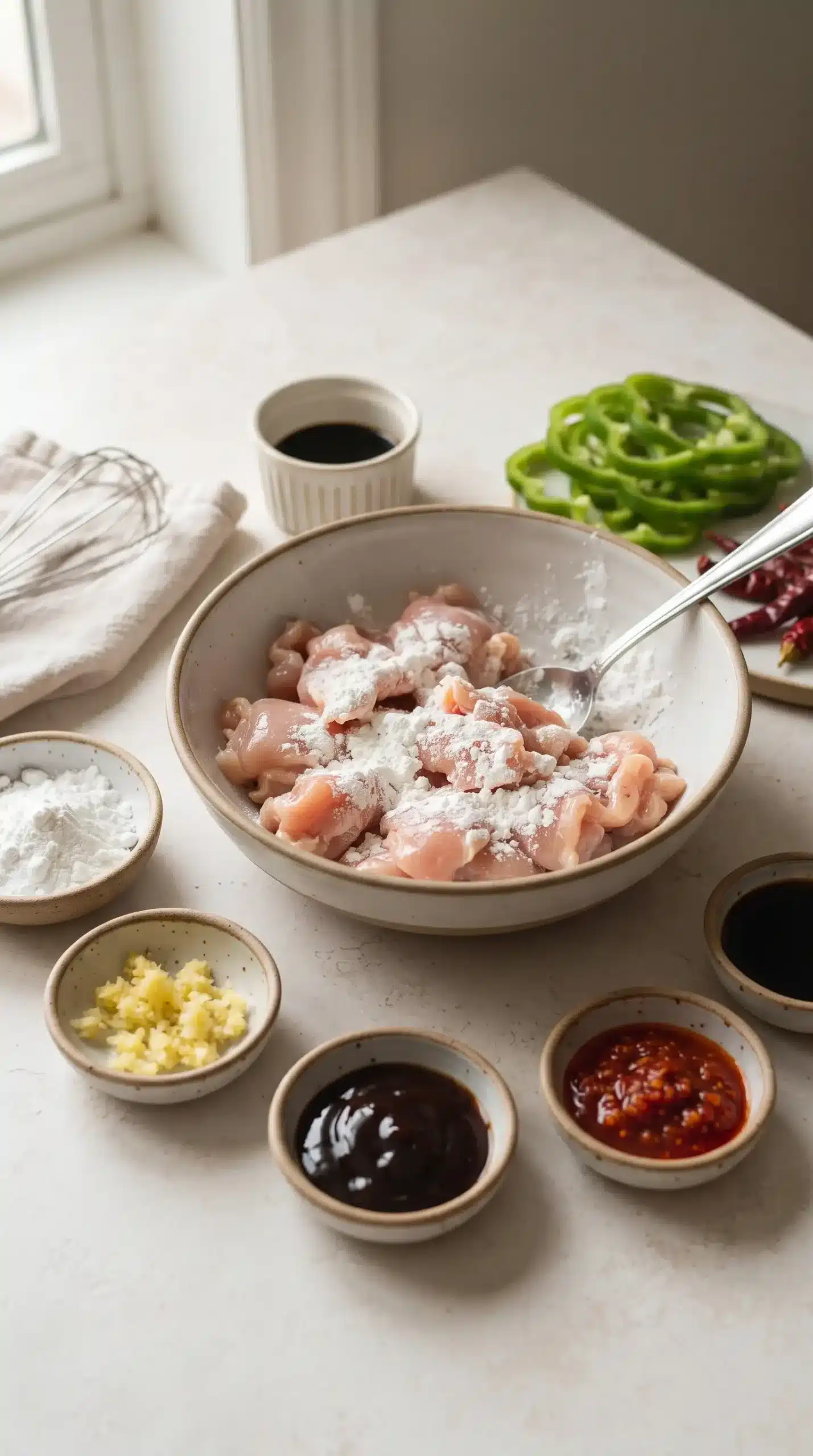
The ingredient choice that most influences the chicken texture is the cornstarch-based marinade. Cornstarch creates a protective coating around the chicken pieces, helping the interior stay moist during the intense heat of stir-frying.
Chicken thighs are especially suitable because their natural moisture and richness support a tender result. The pieces are cut into a consistent size so the coating can cover the surface evenly and the cooking process can produce a uniform texture.
- Chicken coating: Cornstarch helps form the surface that holds the spicy glaze.
- Heat support: High smoke point oil allows searing temperatures without unwanted flavors.
- Aromatic foundation: Fresh ginger and garlic create the fragrance that defines the stir-fry.
Wok Heat Creates the Crispy Chicken Finish
Cooking control determines whether the chicken develops a crisp exterior or becomes soft from trapped moisture. A heavy-bottomed wok or cast-iron skillet should be heated until the oil shimmers before the chicken enters the pan.
Spacing matters during searing. When chicken pieces are crowded together, the temperature drops and the meat releases moisture into the pan. Cooking in a single layer allows the surface to brown and develop the texture expected from a premium crispy chicken stir fry.
| Cooking choice | Result when handled correctly | Issue when ignored |
|---|---|---|
| Preheated oil | Supports browning and crisp surfaces | Chicken may cook without developing color |
| Single-layer searing | Creates a golden exterior | Overcrowding can cause steaming |
| Quick finishing toss | Builds a glossy coating | Long cooking can soften vegetables |
Vegetables Keep the Stir-Fry Bright and Textured
Red onion and bell pepper provide contrast against the rich chicken and sauce. Their preparation focuses on preserving structure while allowing the edges to pick up a light char from the hot pan.
The short vegetable cooking period keeps the peppers crisp-tender and allows the onions to maintain some bite. This contrast prevents the dish from becoming dominated by the sauce alone.
Dragon Chicken Recipe Mistakes That Reduce the Crisp Finish
Several small errors can change the texture and flavor of dragon chicken. The most common problems come from heat management, pan arrangement, and timing decisions during the stir-fry process.
| Mistake | Visible sign | Better approach |
|---|---|---|
| Overcrowding the pan | Chicken loses its browned crust | Sear in batches when needed |
| Burning aromatics | Garlic develops bitter notes | Stir constantly and cook briefly |
| Overcooking vegetables | Peppers lose their crisp texture | Use high heat and a short stir-fry time |
Another frequent issue is using insufficient heat. A lower temperature prevents the surface from developing the desired texture and can leave the chicken with a softer exterior. Maintaining a hot pan is essential for the signature finish of this spicy dragon chicken recipe.
Serving Choices Highlight the Spicy Glaze
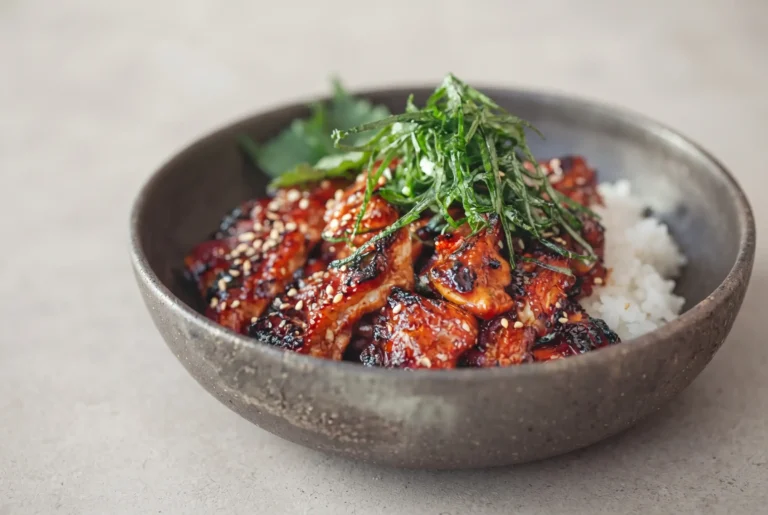
The finished dish benefits from simple presentation choices that emphasize the glossy coating and colorful vegetables. Green onions and toasted sesame seeds provide a final layer of freshness and texture.
Serving dragon chicken immediately after cooking helps preserve the contrast between the crisp chicken surface and the tender vegetables. The glaze is most noticeable when it remains thick and evenly distributed across the ingredients.
Variations Expand the Dragon Chicken Recipe
A dragon chicken recipe can adapt to different preferences while keeping the same cooking principles. The core approach remains focused on a crisp surface, bold sauce, and quick high-heat finishing.
- Cashew variation: Add toasted cashews near the end for a buttery crunch that complements the spicy coating.
- Extra-hot version: Include dried red chilies and Sichuan peppercorns for a stronger fiery profile.
- Tofu option: Use pressed extra-firm tofu with a dry surface before applying cornstarch for a similar crisp exterior.
These variations change the texture or heat level without removing the defining features of the dish. The same attention to coating and pan temperature keeps each version connected to the original style.
Storage Habits Protect Leftover Quality
Proper storage helps preserve the flavor of leftover dragon chicken. Cooked portions should be placed in a shallow airtight container so the dish remains protected while chilled.
Reheating works best in a skillet with a small splash of water to loosen the sauce. Gentle warming can restore the coating better than methods that introduce excessive moisture.
Freezing is possible, although the vegetables may lose some of their original crispness after thawing. The chicken and sauce can still retain their main flavors when stored carefully.
Understanding the Glaze Science Behind Dragon Chicken
The glossy appearance of dragon chicken comes from the interaction between heat and the sauce components. Soy sauce and oyster sauce contain compounds that develop deeper flavors when exposed to the hot cooking surface.
The cornstarch coating also contributes to the sauce texture by helping the glaze cling to the chicken through cornstarch thickening. Instead of collecting only at the bottom of the pan, the sauce becomes part of the exterior finish.
Texture Decisions Separate Great Stir-Fries
A successful crispy chicken stir fry depends on respecting the differences between each ingredient. Chicken needs enough heat to brown, aromatics need careful timing, and vegetables need quick cooking to maintain their structure.
Uniform cutting improves consistency throughout the dish. Similar-sized chicken pieces and vegetables cook more evenly, reducing the chance of uneven textures across the finished plate.
Crispy Chicken Stir Fry Techniques Fit This Dish
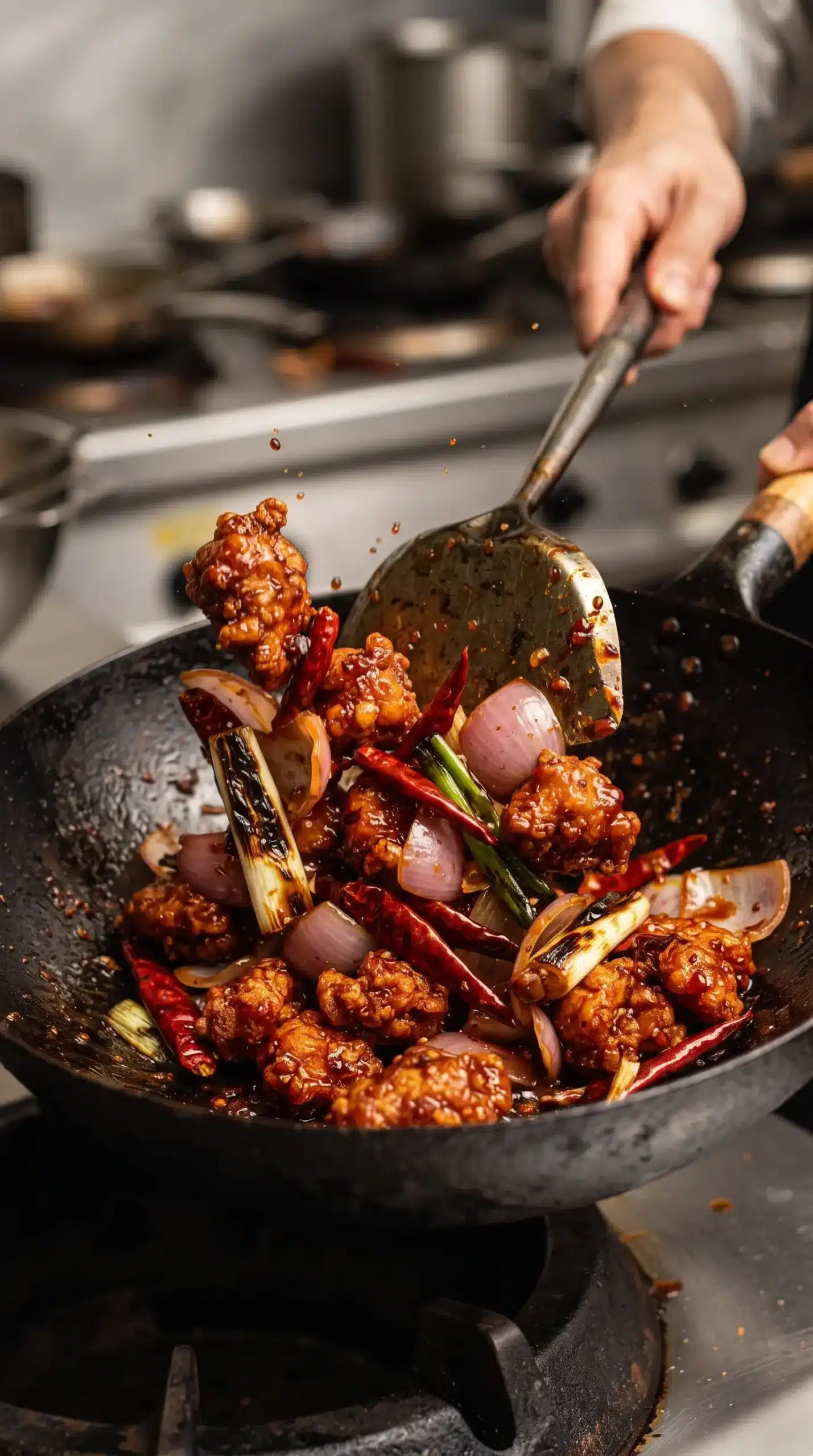
The same principles behind this dragon chicken recipe explain why restaurant-style stir-fries rely on preparation before cooking begins. Having ingredients ready allows each stage to happen quickly once the pan reaches the correct temperature.
Fast movement during the finishing stage helps distribute the glaze across the chicken and vegetables. The result is a cohesive dish where the spicy sauce, browned surfaces, and fresh garnishes work together.
Dragon Chicken Recipe Mastery Comes From Heat and Timing
Dragon chicken recipe success comes from the relationship between preparation and high-temperature cooking. The cornstarch coating protects the chicken, the hot pan creates the browned exterior, and the short glaze finish brings the flavors together.
Careful timing transforms simple ingredients into a bold stir-fry with a crisp surface and a balanced spicy coating. The strongest results come from treating each cooking decision as part of the texture and flavor development.
Dragon Chicken Questions About Heat, Texture, and Safety
What makes dragon chicken different from other chicken stir-fries?
Dragon chicken stands out because it combines a crisp coated chicken surface with a spicy, savory glaze. The use of chili garlic sauce, aromatics, and a cornstarch coating creates a texture and flavor profile that differs from simpler sauce-based stir-fries.
Can chicken breast replace chicken thighs in dragon chicken?
Chicken breast can be used, but it requires closer attention because it contains less fat and can become dry more easily. Shorter cooking helps maintain tenderness while still allowing the coating to develop.
How can the sauce become thicker and cling better?
The existing cornstarch coating helps thicken the glaze during cooking. For a heavier coating, additional cornstarch mixed with water can be added during the last stage of cooking to increase the sauce consistency.
How spicy is a typical dragon chicken recipe?
The heat level depends on the amount of chili garlic sauce and any additional dried chilies added. The base version provides noticeable spice while still balancing savory flavors from the sauces and aromatics.
What temperature should the chicken reach before serving?
Chicken should reach an internal temperature of 165°F (74°C) for safe consumption. A digital thermometer provides a reliable way to check that the chicken has cooked properly.
Dragon Chicken Recipe with Spicy Chili Garlic Sauce
Ingredients
Method
- Mix the chicken pieces with dark soy sauce, oyster sauce, chili garlic sauce, and cornstarch until evenly coated. Allow the chicken to rest for 15 minutes.
- Warm the vegetable oil in a wok or heavy skillet over medium-high heat until shimmering, then cook the chicken in a single layer for 3–4 minutes until browned and reaches 165°F / 74°C.
- Take the chicken out of the pan and cook the minced garlic and grated ginger in the remaining oil for about 30 seconds until fragrant.
- Add the red onion wedges and julienned bell pepper, then stir-fry over high heat for 2 minutes until lightly charred while remaining crisp.
- Place the cooked chicken back into the pan and toss over high heat for 60 seconds, allowing the marinade to form a thick glaze over the chicken and vegetables.
- Remove the dragon chicken from the heat, transfer it to a serving dish, and finish with sliced green onions and toasted sesame seeds.